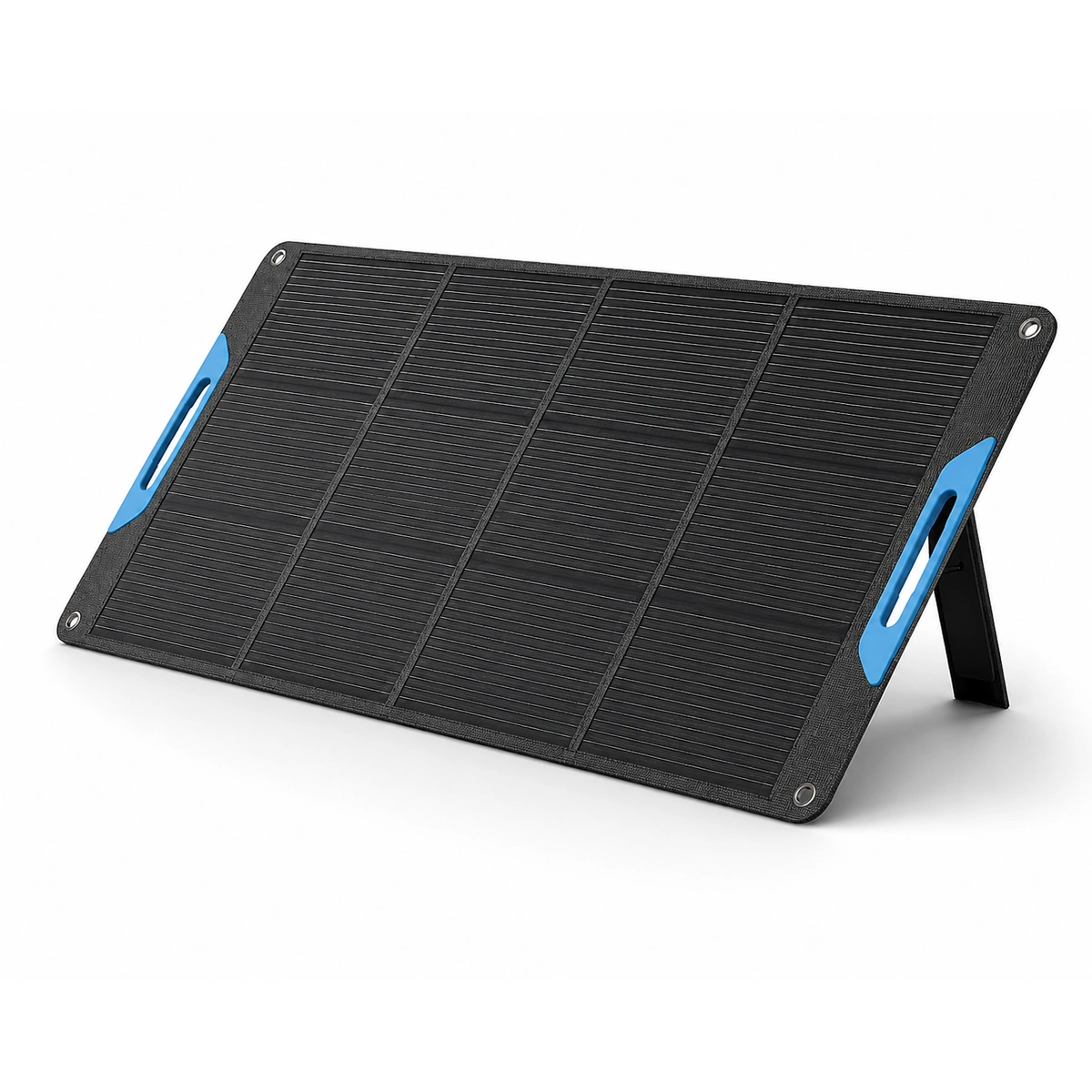
SolarPrimary option
Renogy 200W Portable Monocrystalline Solar Suitcase
Below This Baseline
Baseline comparison
Solar charging output: Solar charging output is below the estimated requirement by 100 W (200 W listed vs 300 W needed)
This guide uses a baseline daily energy assumption of 1,200 Wh/day for a typical example overland truck configuration. This is a sizing estimate, not a site-specific electrical design.
Using an estimated daily demand of 1,200 Wh, 5 peak sun hours, and a 80% system efficiency assumption, the estimated solar array need is approximately 300 W.
With 1,200 Wh of daily use and an assumed 90% usable battery fraction per cycle, the estimated storage need is approximately 1,334 Wh. This accounts for not fully depleting the battery bank on a typical day.
Based on an estimated peak AC load of 1,000 W and a 1.25× surge margin, the estimated inverter need is approximately 1,250 W. This provides headroom for brief startup loads above continuous draw.
Severe off-road vibrations and extreme dust/mud panel coverage
Off-road travel introduces vibration and debris that can affect panel mounts and surface cleanliness. Rugged mounting and panels suited to temporary deployment can help maintain usable output.
SunPowerLogic compares published product specifications against the baseline sizing estimates shown above. Listed products may meet, fall below, or lack the data needed for a given requirement. This is not automatic product selection. Verify final compatibility with your specific loads and installation before purchasing.
Affiliate disclosure: Some equipment links below are affiliate links. SunPowerLogic may earn a commission from qualifying purchases at no additional cost to you.
Below This Baseline
Solar charging output: Solar charging output is below the estimated requirement by 100 W (200 W listed vs 300 W needed)
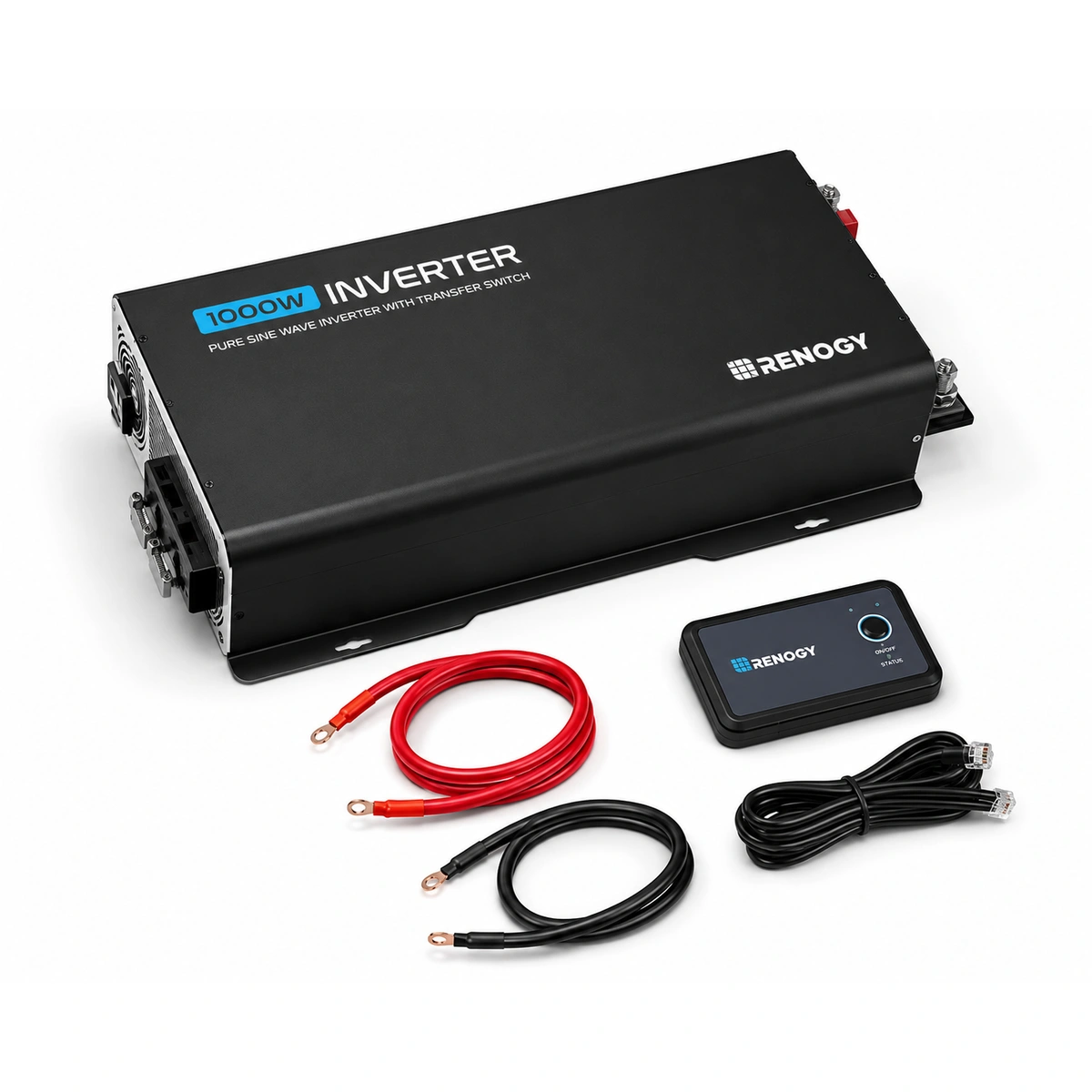
Below This Baseline
Continuous AC output: Continuous AC output is below the estimated requirement by 250 W (1,000 W listed vs 1,250 W needed)
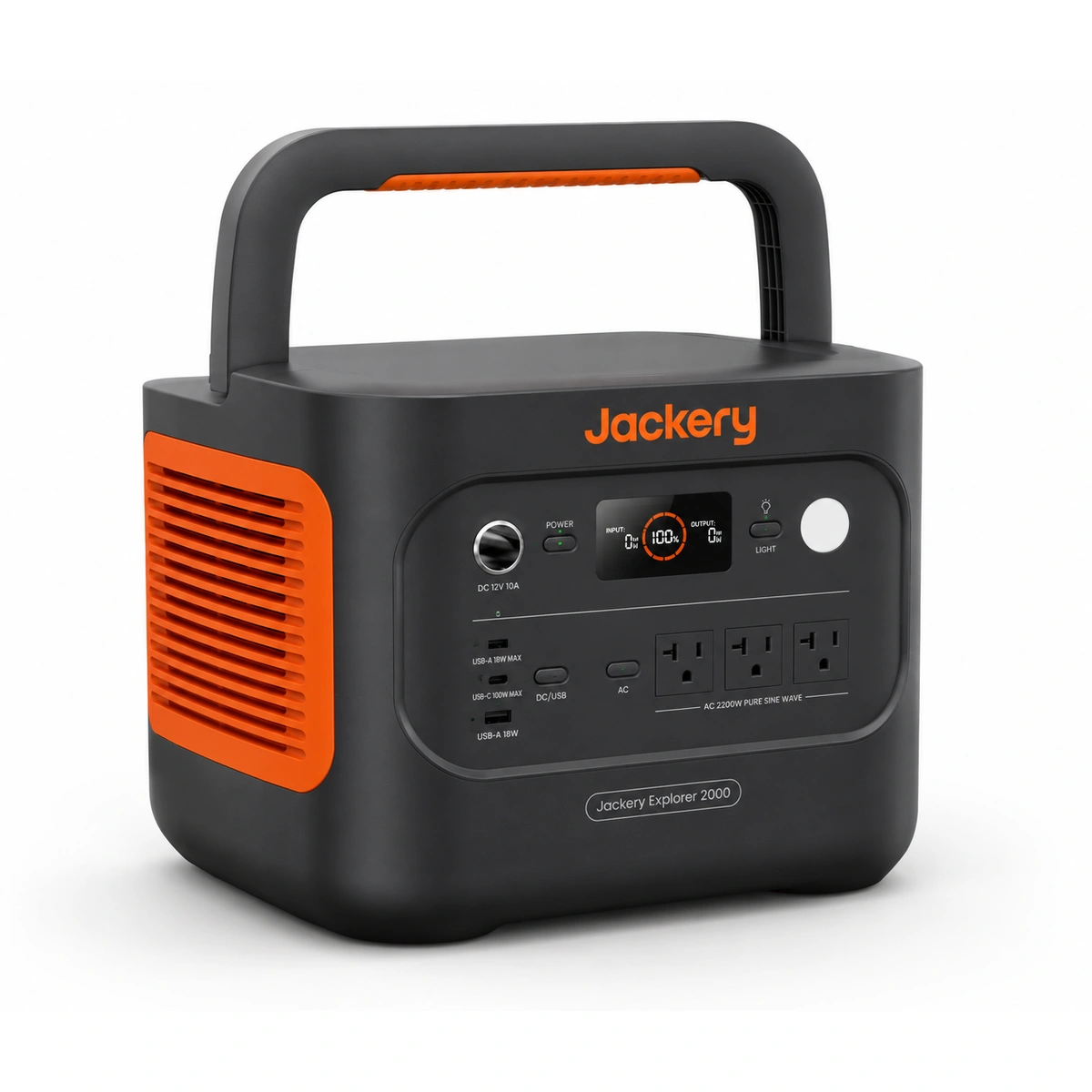
Matches This Baseline
Battery capacity: Battery capacity meets the estimated requirement (2,042 Wh vs 1,334 Wh needed)
Continuous AC output: Continuous AC output meets the estimated requirement (2,200 W vs 1,250 W needed)