Jackery Explorer 1000 V2 for a Sailboat: Storage and Output Compared
Planning context for: jackery explorer 1000 v2 sailboat
Sailboat electrical planning often balances modest daily DC loads with occasional AC appliance use. This guide compares the Jackery Explorer 1000 V2 against a Sailboat sizing example using manufacturer-listed ratings only.
This guide does not make marine certification claims or saltwater resistance claims because those details are not present in the current product data.
Analysis
The Sailboat example assumes 1,500 Wh/day with an estimated storage need of about 1,667 Wh and an inverter need of about 1,000 W.
The Jackery Explorer 1000 V2 lists 1,070 Wh battery capacity and 1,500 W continuous AC output. Listed capacity is about 597 Wh below the storage estimate while continuous output exceeds the inverter estimate by about 500 W.
That mixed result is common when a product is strong on AC output but smaller on nameplate storage. Sailboat shoppers still need to evaluate mounting location, charging sources, and whether listed capacity covers overnight use across their own instrument and cabin loads.
Referenced Products
Affiliate disclosure: Some equipment links below are affiliate links. SunPowerLogic may earn a commission from qualifying purchases at no additional cost to you.
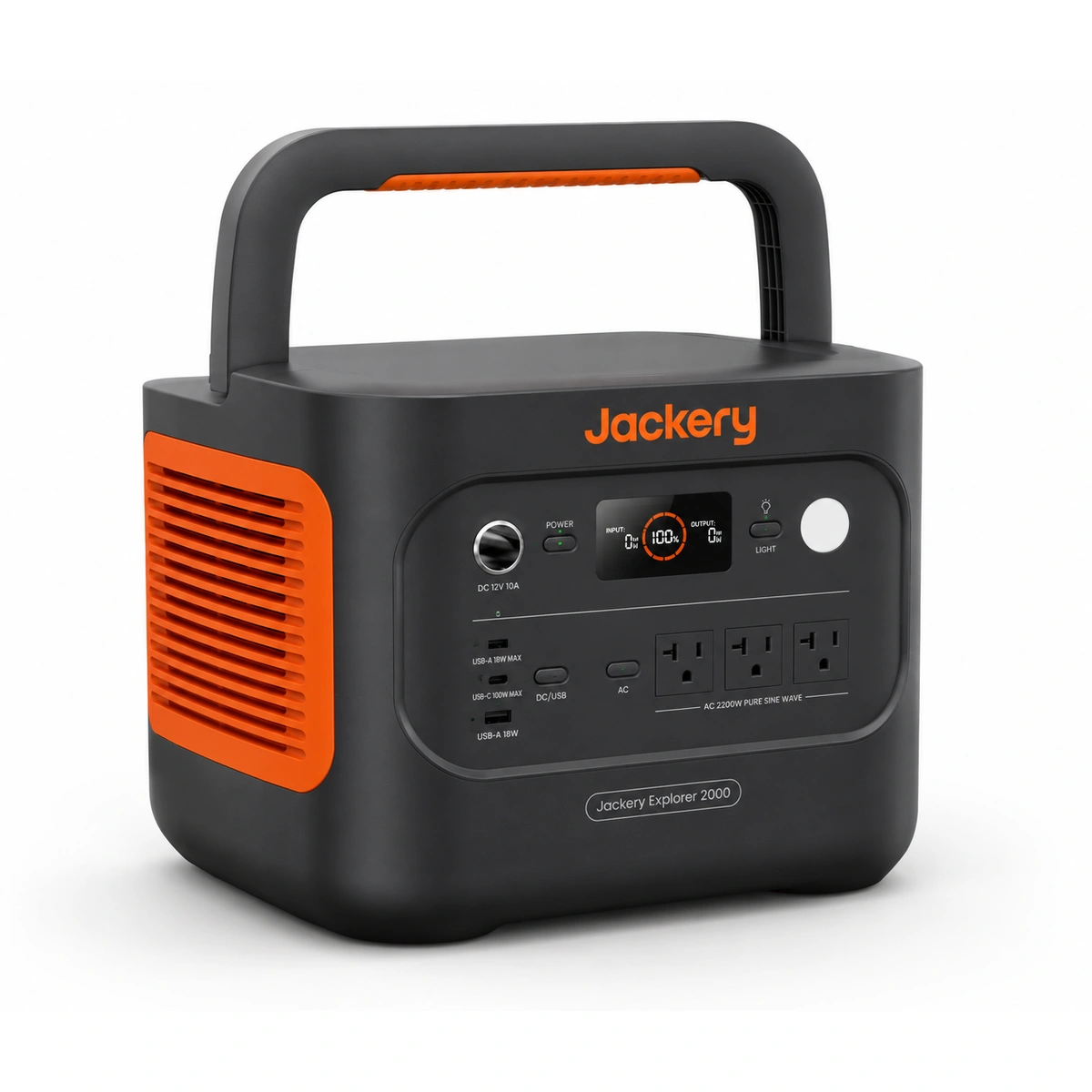
Jackery Explorer 1000 V2
Partially Matches This Baseline
Baseline comparison
Battery capacity: Battery capacity is below the estimated requirement by 597 Wh (1,070 Wh listed vs 1,667 Wh needed)
Continuous AC output: Continuous AC output meets the estimated requirement (1,500 W vs 1,000 W needed)
Related Hubs
Verdict
For the Sailboat example, the Jackery Explorer 1000 V2 shows below-estimate listed capacity and above-estimate continuous output. It may still fit some marine use cases with lower storage demand, but the specification comparison should be read alongside your own load profile and charging plan.
These guides use baseline planning assumptions and published product specifications. They are not professional electrical designs. Verify sizing, compatibility, and installation requirements for your specific loads and location before purchasing equipment.