Renogy 200Ah Core vs LiTime 200Ah
These are 12V 200Ah LiFePO4 batteries positioned for RV, marine, and off-grid storage builds. The comparison focuses on catalog specifications—amp-hours, listed watt-hours where published, nominal voltage, chemistry, and BMS current ratings—without declaring an overall winner.
Use the specification table to see where the published numbers diverge, then confirm merchant listing details such as dimensions, connectors, and warranty terms before purchase.
Quick Winner
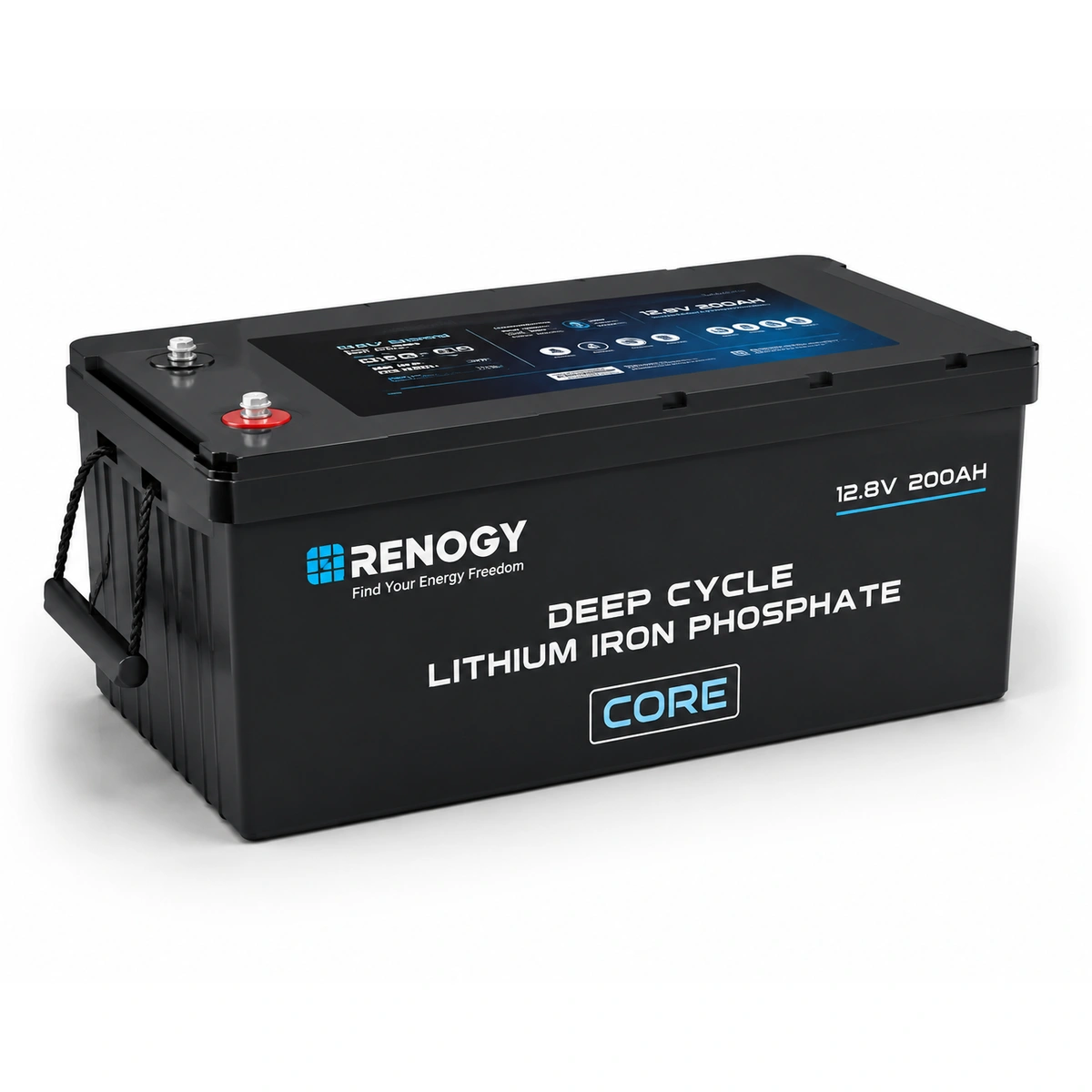
- Best OverallRenogy 12V 200Ah Lithium LiFePO4 Deep Cycle Battery, 5000+Deep Cycles, 200A BMS,Backup Power for Trolling motor, Cabin,Marine, Off-Grid Home Energy Storage-Core Series
200A BMS and 2,713 Wh listed energy lead the published specs in this matchup.
- Best ValueLitime 12V 200Ah Mini Lithium LiFePO4 Bluetooth Battery for RV Solar Marine | Group 31+, Max. 20000 Cycles at 60% DOD, 200A BMS, 2560Wh, Low Temp Protection, IP65, for Camper, Home Backup, Power Outages
Lower catalog price tier for 200Ah at the same nominal voltage.
- Best Home BackupRenogy 12V 200Ah Lithium LiFePO4 Deep Cycle Battery, 5000+Deep Cycles, 200A BMS,Backup Power for Trolling motor, Cabin,Marine, Off-Grid Home Energy Storage-Core Series
Higher BMS discharge limit supports heavier sustained inverter loads.
- Best RVRenogy 12V 200Ah Lithium LiFePO4 Deep Cycle Battery, 5000+Deep Cycles, 200A BMS,Backup Power for Trolling motor, Cabin,Marine, Off-Grid Home Energy Storage-Core Series
200A BMS rating handles simultaneous RV DC and inverter draws better.
Products Compared
Affiliate disclosure: Equipment links below are affiliate links. SunPowerLogic may earn a commission from qualifying purchases at no additional cost to you. Each product keeps its own retailer link—there is no single comparison winner button.
Specification Comparison
Only fields relevant to both product types are shown. An em dash means not applicable; "Not listed" means the field applies but no value was published in the catalog.
| Specification | Renogy 12V 200Ah Lithium LiFePO4 Deep Cycle Battery, 5000+Deep Cycles, 200A BMS,Backup Power for Trolling motor, Cabin,Marine, Off-Grid Home Energy Storage-Core Series | Litime 12V 200Ah Mini Lithium LiFePO4 Bluetooth Battery for RV Solar Marine | Group 31+, Max. 20000 Cycles at 60% DOD, 200A BMS, 2560Wh, Low Temp Protection, IP65, for Camper, Home Backup, Power Outages |
|---|---|---|
| Brand | Renogy | LiTime |
| Product type | Battery | Battery |
| Nominal voltage | 12 V | 12 V |
| Battery capacity | 200 Ah | 200 Ah |
| Listed energy capacity | 2,713 Wh | 2,560 Wh |
| Battery chemistry | LiFePO4 | LiFePO4 |
| BMS current rating | 200 A | 100 A |
| Additional specification note | Core Series | Not listed |
| Merchant | Amazon | Amazon |
Summary
Capacity at 200Ah doubles the amp-hour reserve of a 100Ah pack at the same nominal voltage. Both products list 12V and 200Ah, so the baseline capacity tier is matched in the catalog.
Listed energy capacity differs where published: the Renogy entry includes 2,713 Wh while the LiTime entry lists 2,560 Wh. Treat these as merchant-published planning figures, not measured field performance.
BMS current rating is a meaningful planning split. The Renogy Core Series 200Ah listing shows a 200A BMS rating versus 100A on the LiTime 200Ah entry. High simultaneous loads or large inverter feeds should be checked against the lower published BMS limit.
Expected use cases are similar—RV solar storage, marine trolling, and off-grid cabins—but the higher BMS figure on one listing may matter when pairing with aggressive inverter loads or multiple DC appliances.
Upgrade considerations: if 200Ah still falls short of your daily energy budget, stacking additional packs or moving to a higher-voltage architecture requires a full system redesign beyond a single battery swap.
SunPowerLogic does not declare an overall winner. Use the specification table and fit guidance below to match products to your planning requirements.
Editorial Notes
Verdicts, pros, and cons below come from product-editorial.csv only. SunPowerLogic does not declare an overall winner in editorial content.
Renogy 12V 200Ah Lithium LiFePO4 Deep Cycle Battery, 5000+Deep Cycles, 200A BMS,Backup Power for Trolling motor, Cabin,Marine, Off-Grid Home Energy Storage-Core Series
Editor’s Verdict
Renogy Core Series 200Ah lists 2713 Wh energy and a 200A BMS—higher sustained discharge capability than 200Ah competitors with 100A BMS limits in the catalog. It scores 8/10 because published specifications support heavier inverter pairing at the same amp-hour tier, with Core Series branding for consistency across Renogy component builds.
Pros
- 200A BMS rating supports higher sustained discharge than 100A alternatives at 200Ah
- 2713 Wh listed energy capacity for watt-hour planning
- Core Series LiFePO4 within Renogy integrated component line
Cons
- Single-pack capacity may still fall short of high daily energy budgets
- Remote monitoring not listed for this model
- Requires separate inverter and charge equipment—standalone DC storage only
Best For
- RV and off-grid storage needing more reserve than 100Ah
- Builds pairing with Renogy 1000W or 2000W inverters
- Marine and cabin systems with documented loads within 200A BMS limits
Avoid If
- Loads requiring sustained discharge above the 200A BMS rating
- Buyers needing remote monitoring listed on the 300Ah Mini Core model
Litime 12V 200Ah Mini Lithium LiFePO4 Bluetooth Battery for RV Solar Marine | Group 31+, Max. 20000 Cycles at 60% DOD, 200A BMS, 2560Wh, Low Temp Protection, IP65, for Camper, Home Backup, Power Outages
Editor’s Verdict
LiTime 200Ah pack lists 2560 Wh energy and a 100A BMS—double the amp-hour reserve of the 100Ah model but with the same BMS discharge ceiling. It scores 7/10 for capacity at a common price tier; the published 100A BMS is the main planning constraint when compared to 200Ah listings with higher BMS ratings in the catalog.
Pros
- 200Ah capacity with 2560 Wh listed energy
- LiFePO4 chemistry with integrated 100A BMS
- Product listing cites up to 1280W load power for planning reference
Cons
- 100A BMS on a 200Ah pack may limit high simultaneous inverter loads
- Listed energy of 2560 Wh is lower than some competing 200Ah catalog entries
- No remote monitoring capability listed in catalog
Best For
- RV and van solar storage with documented daily energy budgets
- Marine trolling motor setups at 12V
- Buyers stepping up from 100Ah without changing voltage architecture
Avoid If
- High continuous inverter loads above the 100A BMS rating
- Applications where competing 200Ah packs with 200A BMS limits are required
Renogy 12V 200Ah Lithium LiFePO4 Deep Cycle Battery, 5000+Deep Cycles, 200A BMS,Backup Power for Trolling motor, Cabin,Marine, Off-Grid Home Energy Storage-Core Series may be a better fit if…
- Your load plan needs a published BMS discharge limit of at least 200 A—this pack lists 200 A versus 100 A on the comparison option.
- Listed energy capacity is part of your watt-hour budget—this product shows 2,713 Wh versus 2,560 Wh in published catalog data.
- The published listing note (Core Series) matches features or product-line details you want to verify before purchase.
Litime 12V 200Ah Mini Lithium LiFePO4 Bluetooth Battery for RV Solar Marine | Group 31+, Max. 20000 Cycles at 60% DOD, 200A BMS, 2560Wh, Low Temp Protection, IP65, for Camper, Home Backup, Power Outages may be a better fit if…
- A BCI Group 31 form factor is referenced in the published product name and may matter for drop-in enclosure fit.
Key Differences
Specification rows where published catalog values differ between the two products.
| Specification | Renogy 12V 200Ah Lithium LiFePO4 Deep Cycle Battery, 5000+Deep Cycles, 200A BMS,Backup Power for Trolling motor, Cabin,Marine, Off-Grid Home Energy Storage-Core Series | Litime 12V 200Ah Mini Lithium LiFePO4 Bluetooth Battery for RV Solar Marine | Group 31+, Max. 20000 Cycles at 60% DOD, 200A BMS, 2560Wh, Low Temp Protection, IP65, for Camper, Home Backup, Power Outages |
|---|---|---|
| Brand | Renogy | LiTime |
| Listed energy capacity | 2,713 Wh | 2,560 Wh |
| BMS current rating | 200 A | 100 A |
| Additional specification note | Core Series | Not listed |
Related Products
Other active battery products in the catalog, excluding both compared options.
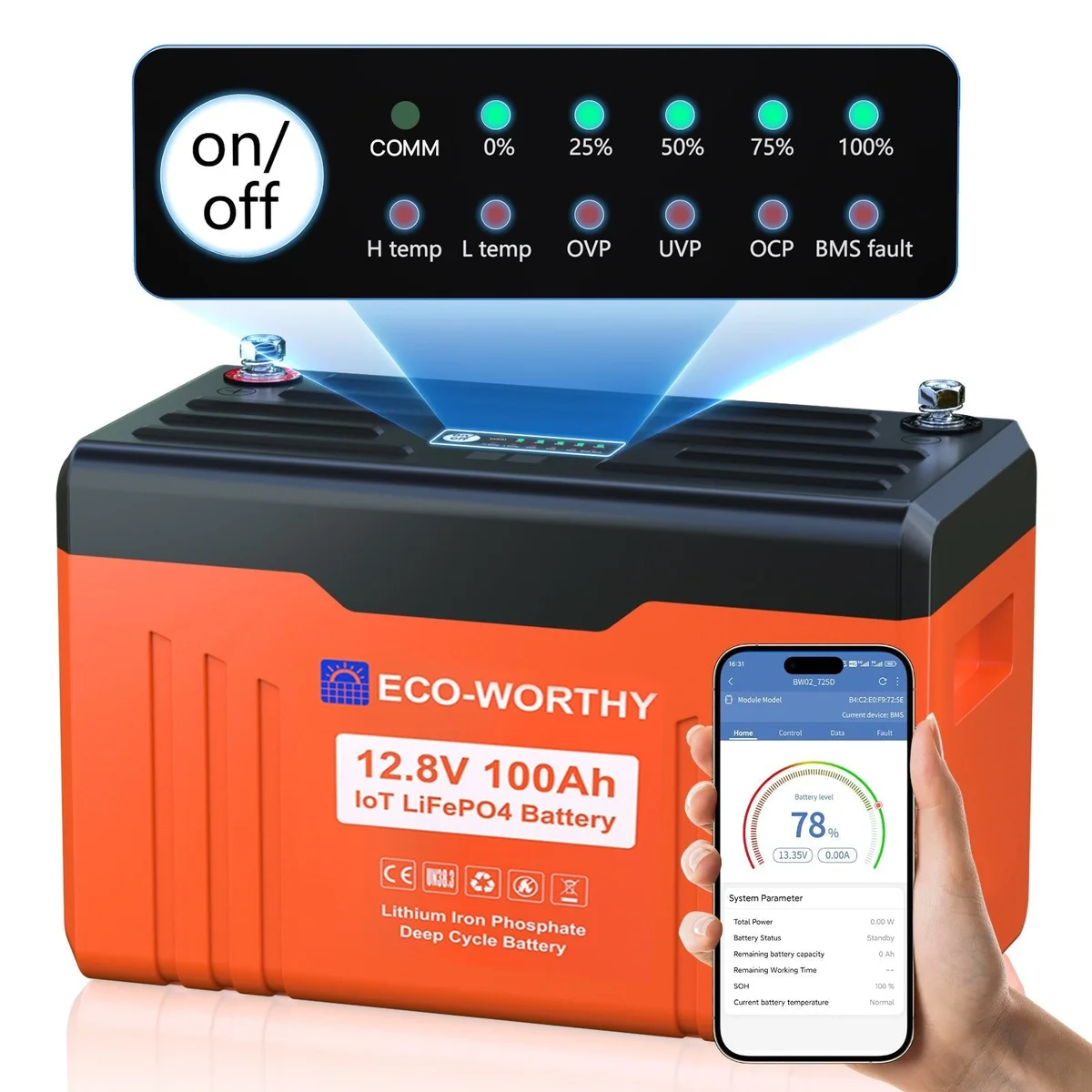
ECO-WORTHY 12V 100Ah LiFePO4 Battery with Bluetooth
View Product →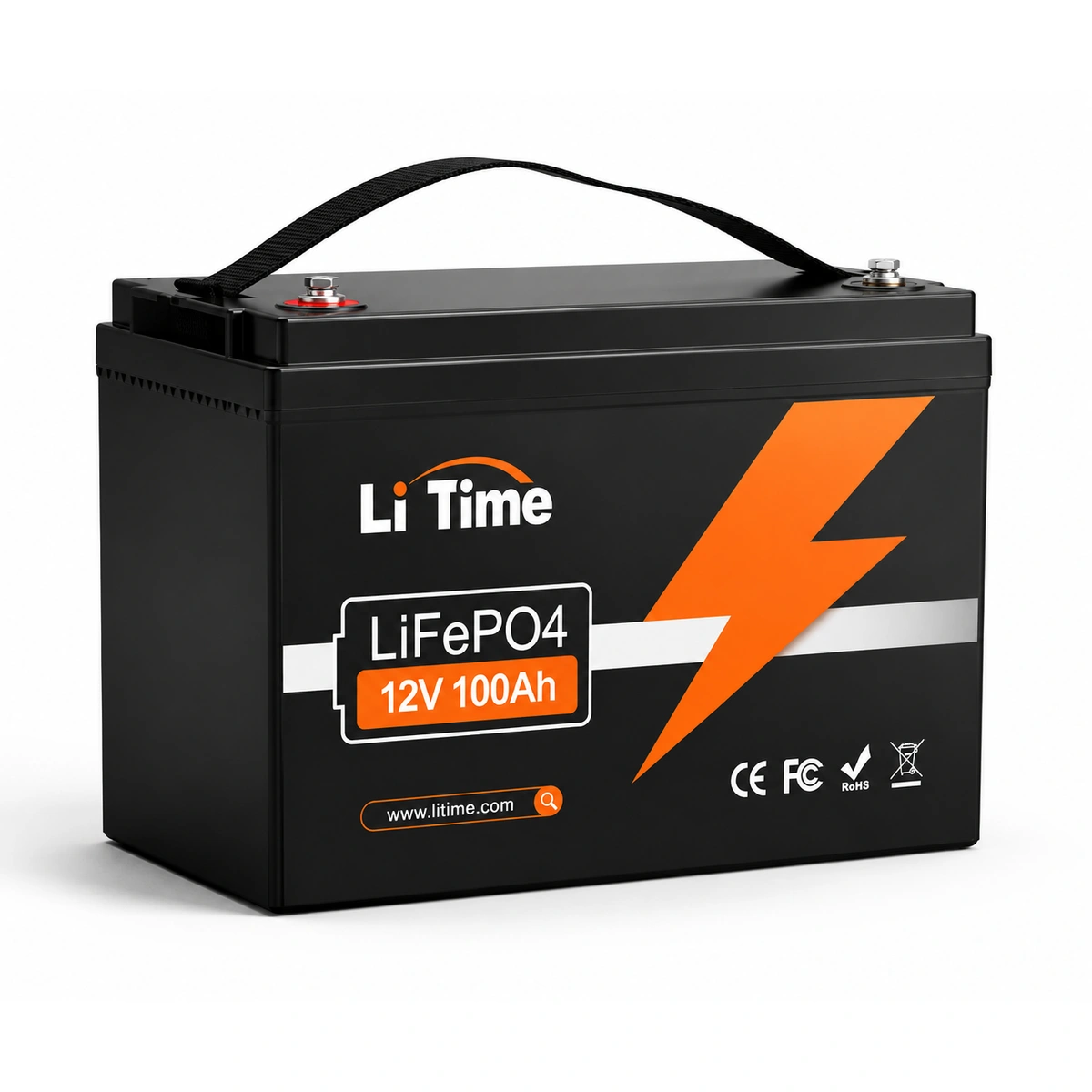
LiTime 12V 100Ah LiFePO4 Battery BCI Group 31 Lithium Battery Built-in 100A BMS, Up to 15000 Deep Cycles, Perfect for RV, Marine, Home Energy Storage
View Product →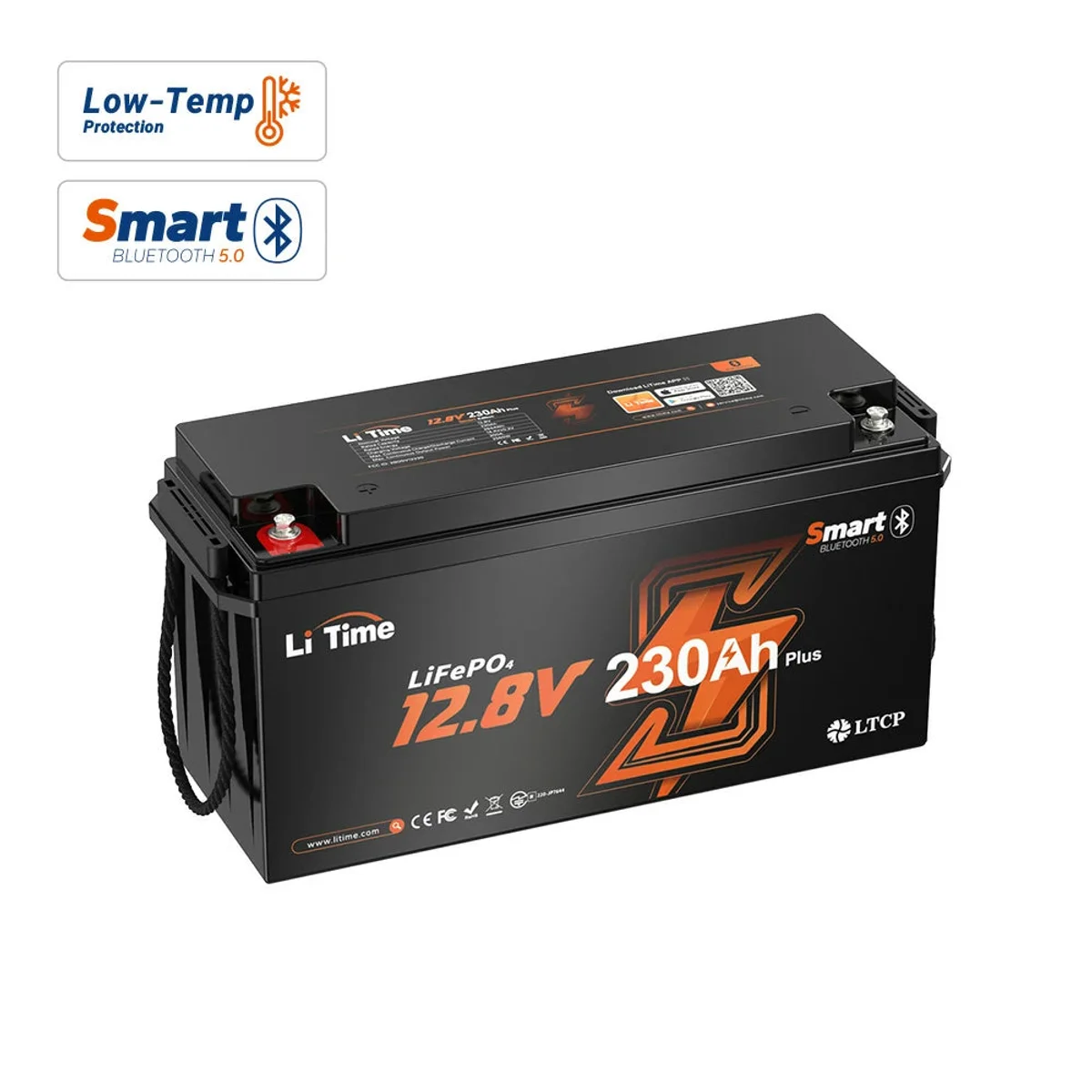
LiTime 12V 230Ah LiFePO4 Battery with Bluetooth
View Product →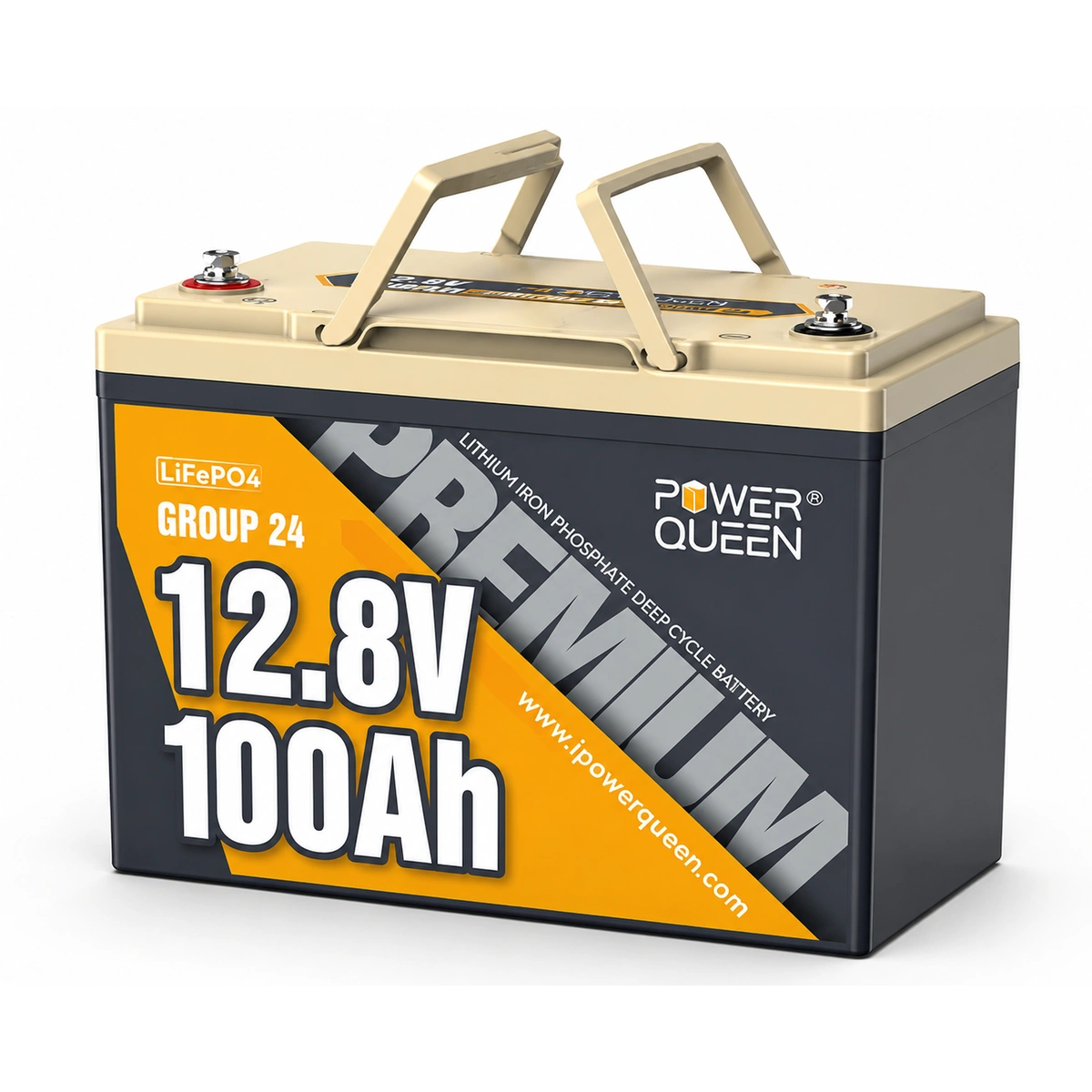
Power Queen 12V 100Ah LiFePO4 Battery Group 24, Lithium Deep Cycles Battery, Built-in 100A BMS, Up to 15000 Deep Cycles, Perfect for RV, Marine, Off-Grid Cabin
View Product →power queen 12V 200Ah Plus LiFePO4 Battery, 2560Wh Lithium Battery with 200A BMS, Deep Cycle Battery Up to 15000 Cycles & 10-Year Lifespan for Trailer RV, Motor Home, Solar Off-Grid
View Product →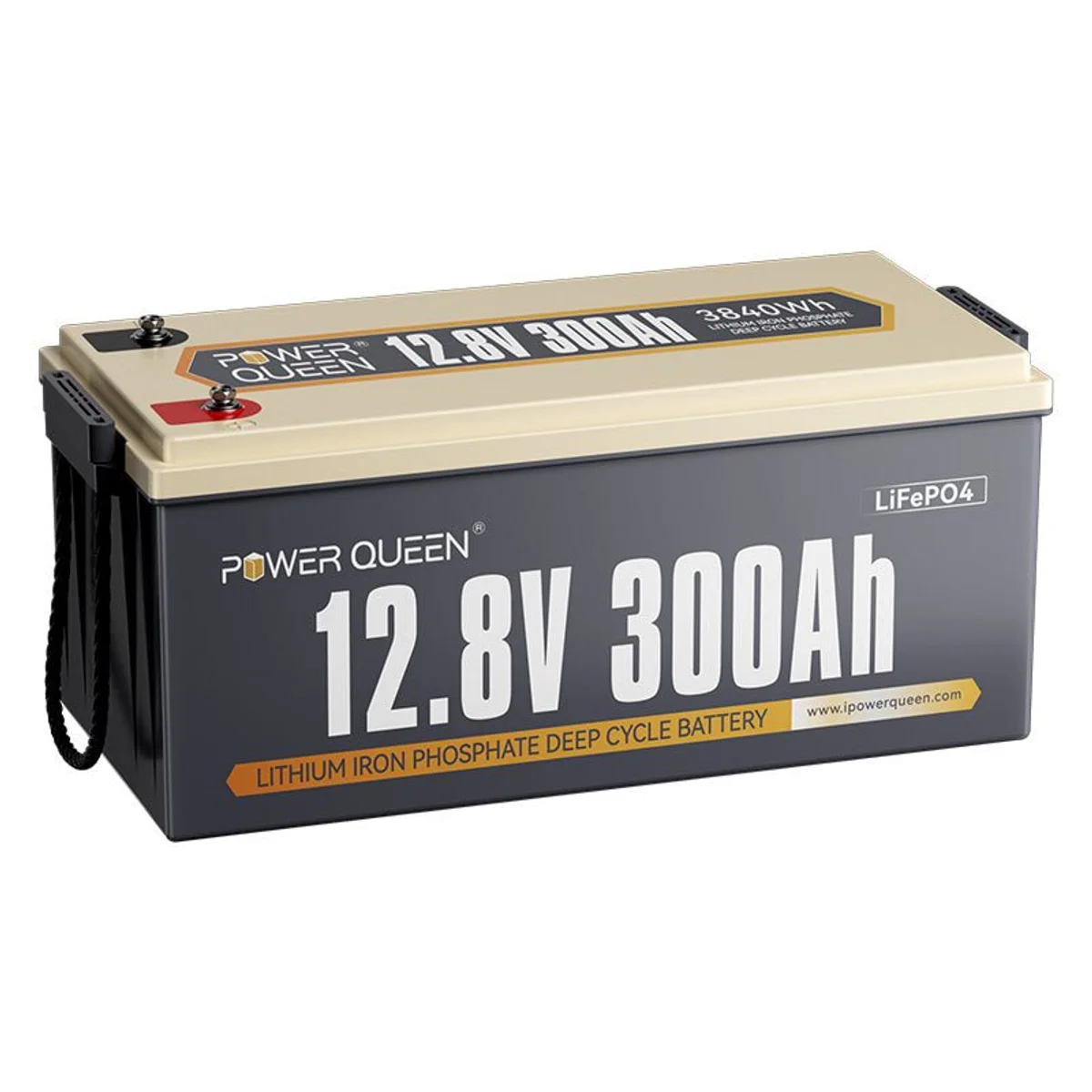
Power Queen 12V 300Ah LiFePO4 Battery
View Product →Related Hubs
Frequently Asked Questions
What is being compared in Renogy 200Ah Core vs LiTime 200Ah?
This comparison evaluates Renogy 12V 200Ah Lithium LiFePO4 Deep Cycle Battery, 5000+Deep Cycles, 200A BMS,Backup Power for Trolling motor, Cabin,Marine, Off-Grid Home Energy Storage-Core Series and Litime 12V 200Ah Mini Lithium LiFePO4 Bluetooth Battery for RV Solar Marine | Group 31+, Max. 20000 Cycles at 60% DOD, 200A BMS, 2560Wh, Low Temp Protection, IP65, for Camper, Home Backup, Power Outages using published catalog specifications only. Key differences in the catalog include brand (Renogy vs LiTime), listed energy capacity (2,713 Wh vs 2,560 Wh), bms current rating (200 A vs 100 A). It does not declare an overall winner.
Can I use either battery for RV or van builds?
RV and van suitability depends on whether listed voltage, capacity, or output figures match your architecture and daily energy budget—not the equipment category alone. Key differences in the catalog include brand (Renogy vs LiTime), listed energy capacity (2,713 Wh vs 2,560 Wh), bms current rating (200 A vs 100 A). Confirm enclosure size, charging equipment, and inverter sizing separately.
How should I read "Not listed" or "—" in the specification table?
An em dash (—) means the specification dimension is not applicable to that product type in the catalog. "Not listed" means the field applies but no value was published in products.csv. SunPowerLogic does not invent missing specifications.
Do these battery products include pricing or availability data?
No. SunPowerLogic compares published technical specifications and links to merchant listings when affiliate URLs are present. Current price, stock status, and warranty terms must be confirmed on the retailer site.
Should I size to continuous output or surge ratings for inverters?
For battery products, use the specification dimension most relevant to your planning method—amp-hours and voltage for batteries, or rated output for generation equipment—rather than surge or marketing claims alone.
What should I verify before purchasing either option?
Confirm merchant listing details, connector types, warranty coverage, and installation constraints that are not captured in the catalog. Key differences in the catalog include brand (Renogy vs LiTime), listed energy capacity (2,713 Wh vs 2,560 Wh), bms current rating (200 A vs 100 A). Affiliate links, when present, lead to external retailers where final purchase decisions should be made.
These comparisons use published catalog specifications and educational planning context. They are not professional electrical designs and do not declare an overall winner. Verify sizing, compatibility, and installation requirements for your specific loads and location before purchasing equipment.