Renogy Solar Products
Renogy builds solar hardware for people who wire their own systems—RV roof arrays, cabin battery banks, portable suitcase panels, and standalone inverters that pair with separate lithium packs. SunPowerLogic tracks listed specifications for Renogy products and compares them against documented sizing examples on this site.
About Renogy
Renogy’s product range spans the main pieces of a small off-grid electrical system: rigid and portable solar panels, pre-wired panel kits, pure sine wave inverters, LiFePO4 deep-cycle batteries, and charge controllers. Most listings target 12 V architectures common in RVs, vans, boats, and remote cabins rather than whole-home grid-tied installations.
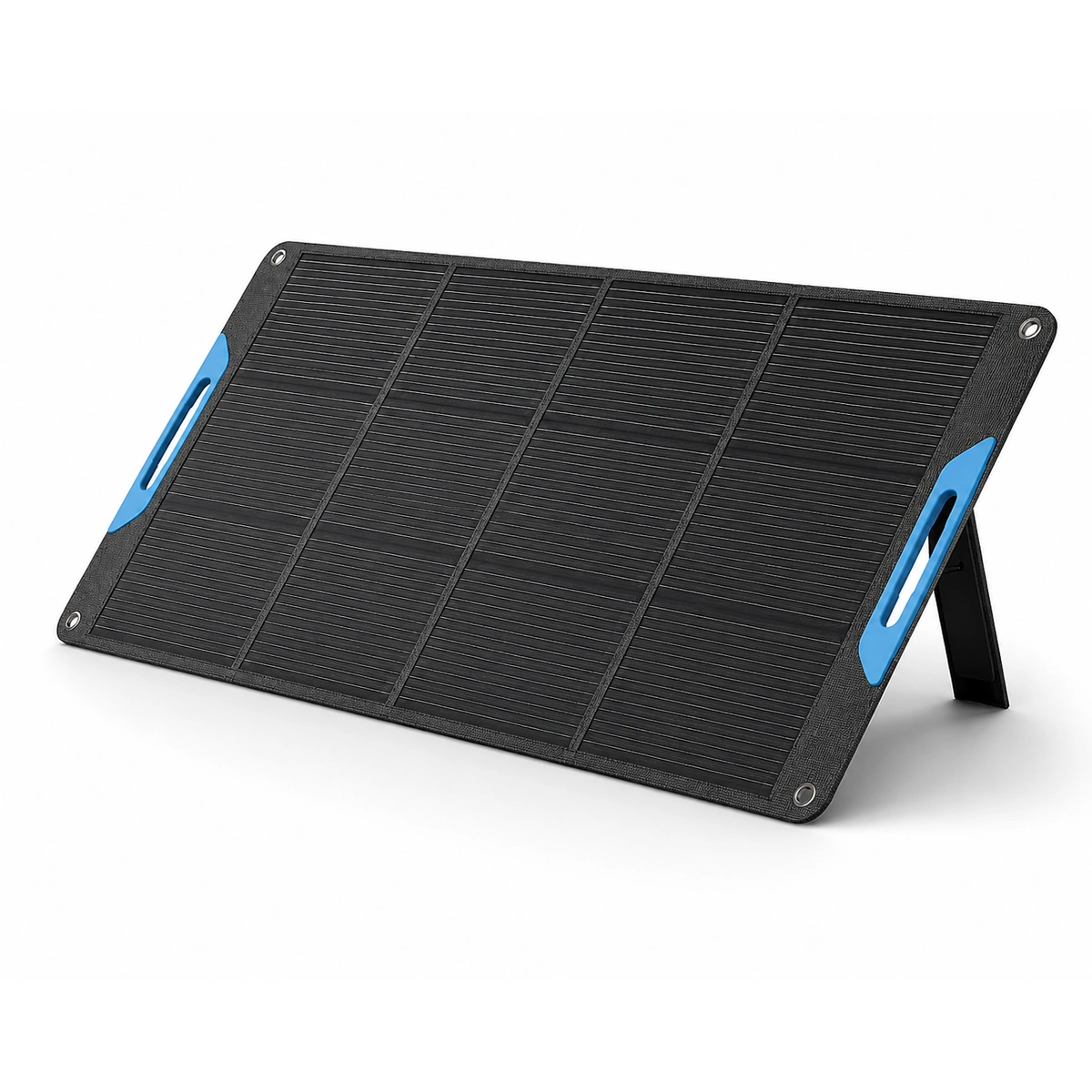
For RV and camper van builds, Renogy is often chosen when owners want separate components—a roof or suitcase panel, a battery bank, and an inverter—instead of an all-in-one portable power station. Listed kits and suitcase panels can simplify mounting and wiring for mobile setups where space and shade vary day to day.
Off-grid cabin shoppers may use Renogy batteries and inverters as part of a modest DC-centric system or as building blocks alongside other brands. Capacity planning still depends on daily watt-hour use, charging sources, and whether AC loads run through an inverter.
Marine and sailboat applications sometimes use Renogy lithium batteries or portable panels where a flexible, owner-installed approach is acceptable. Salt exposure, mounting location, and charging while underway remain installation decisions outside the product label alone.
DIY solar users benefit from Renogy’s component-style catalog because each part can be sized independently. That flexibility also means buyers must match panel output, controller limits, battery BMS ratings, and inverter continuous output to their own load list rather than assuming a single bundle covers every build.
Shop by Category
Categories are grouped automatically from each product's listed type. Only sections with active Renogy products in the catalog appear below.
Affiliate disclosure: Some product links below are affiliate links. SunPowerLogic may earn a commission from qualifying purchases at no additional cost to you.
Batteries
Solar Panels
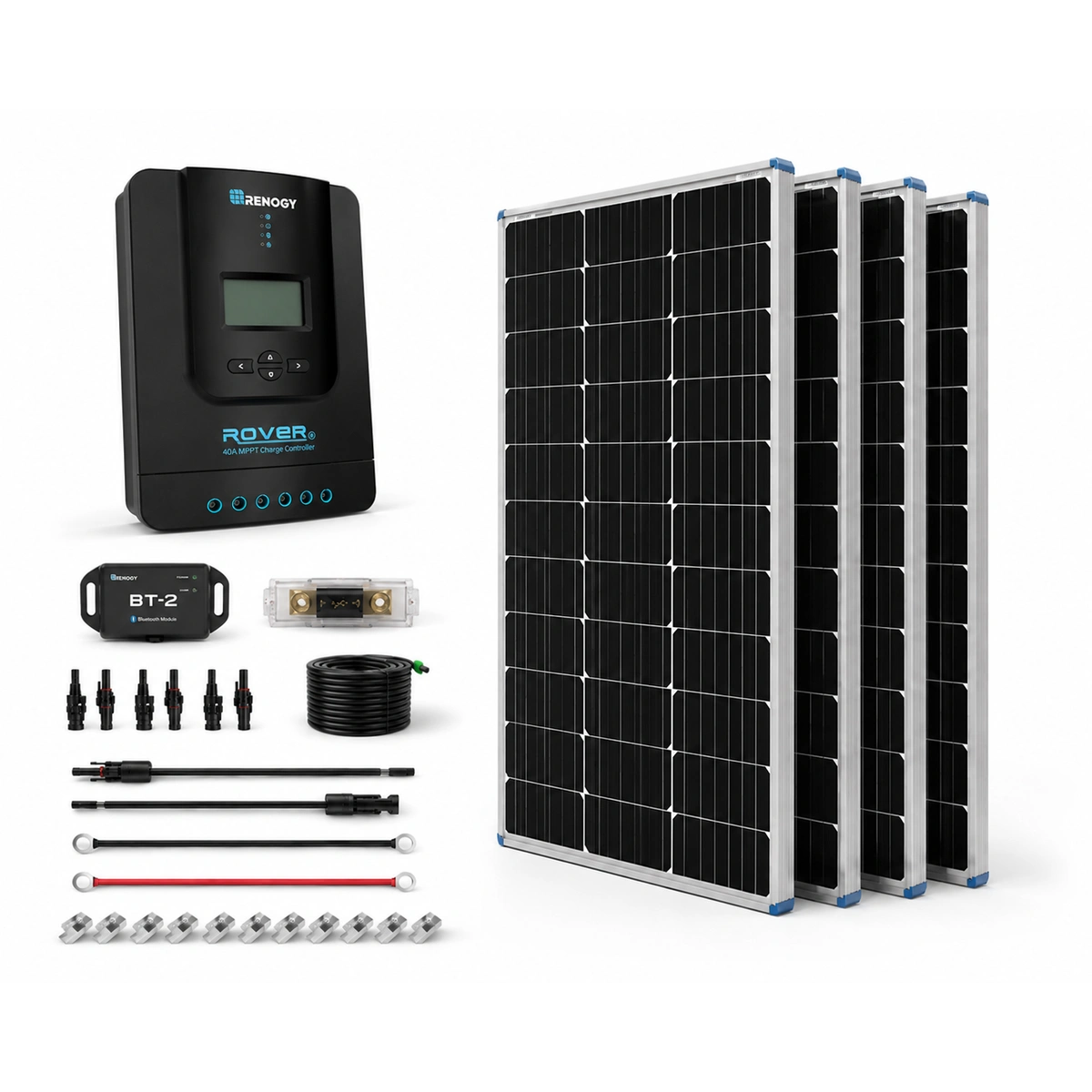
Solar Arrays
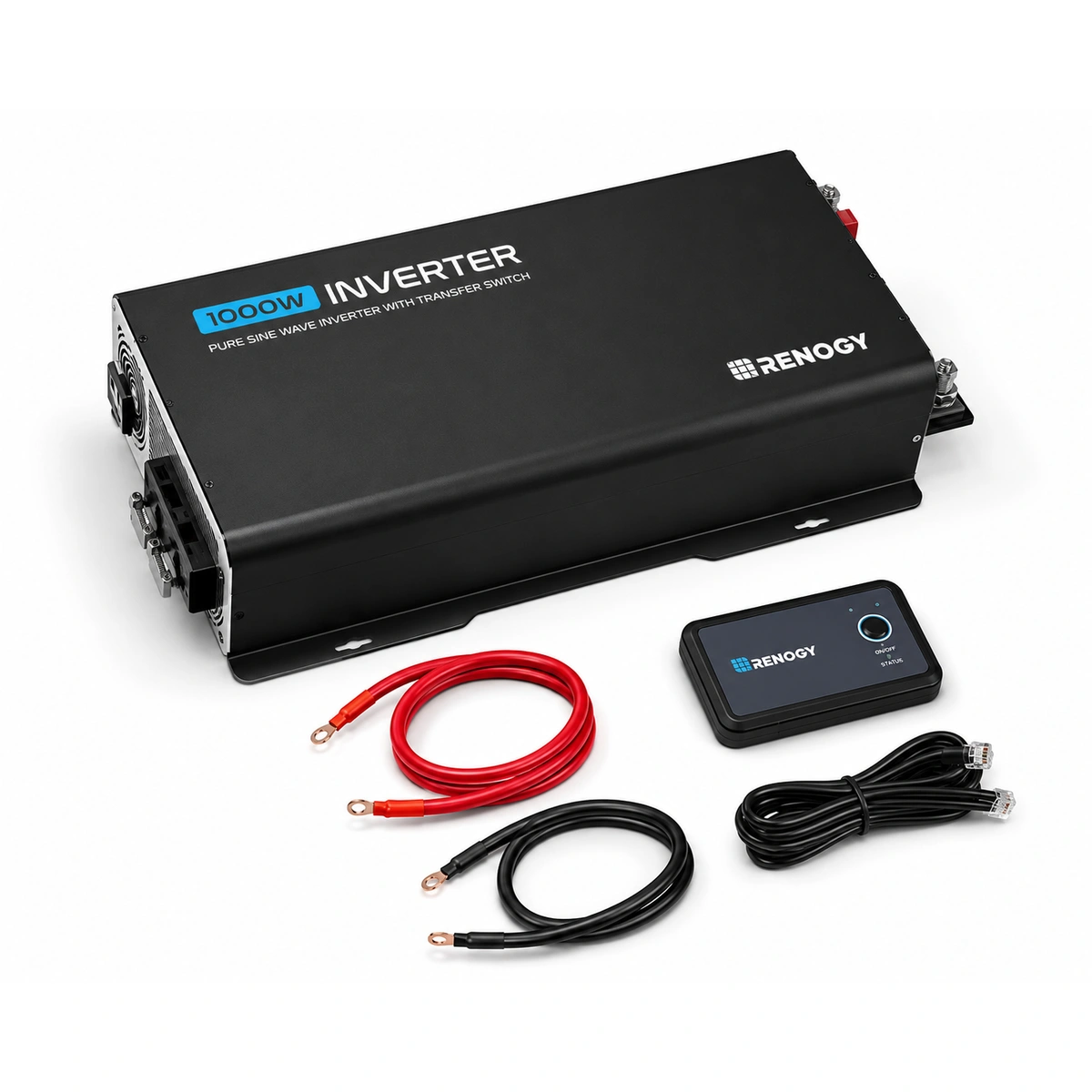
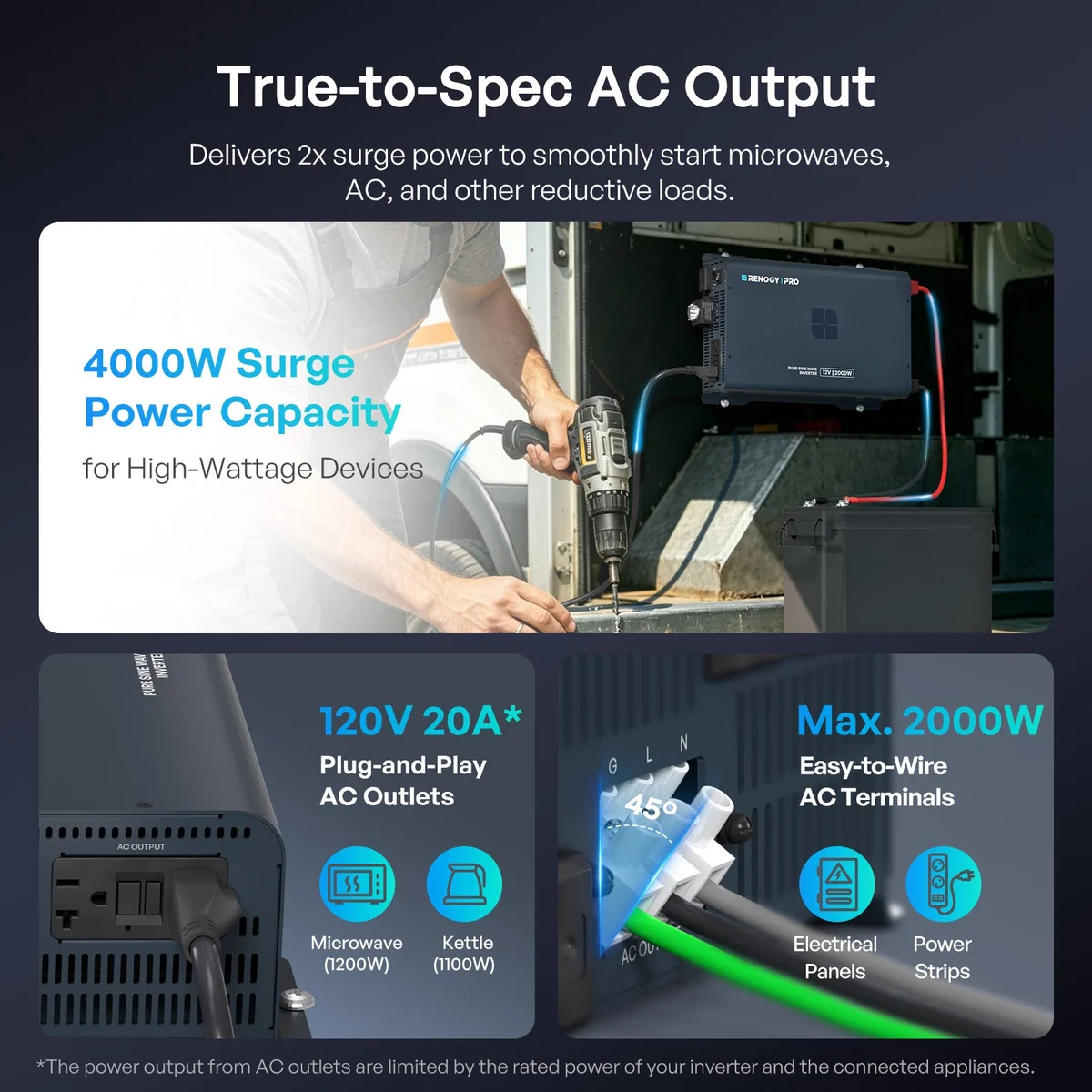
Inverters
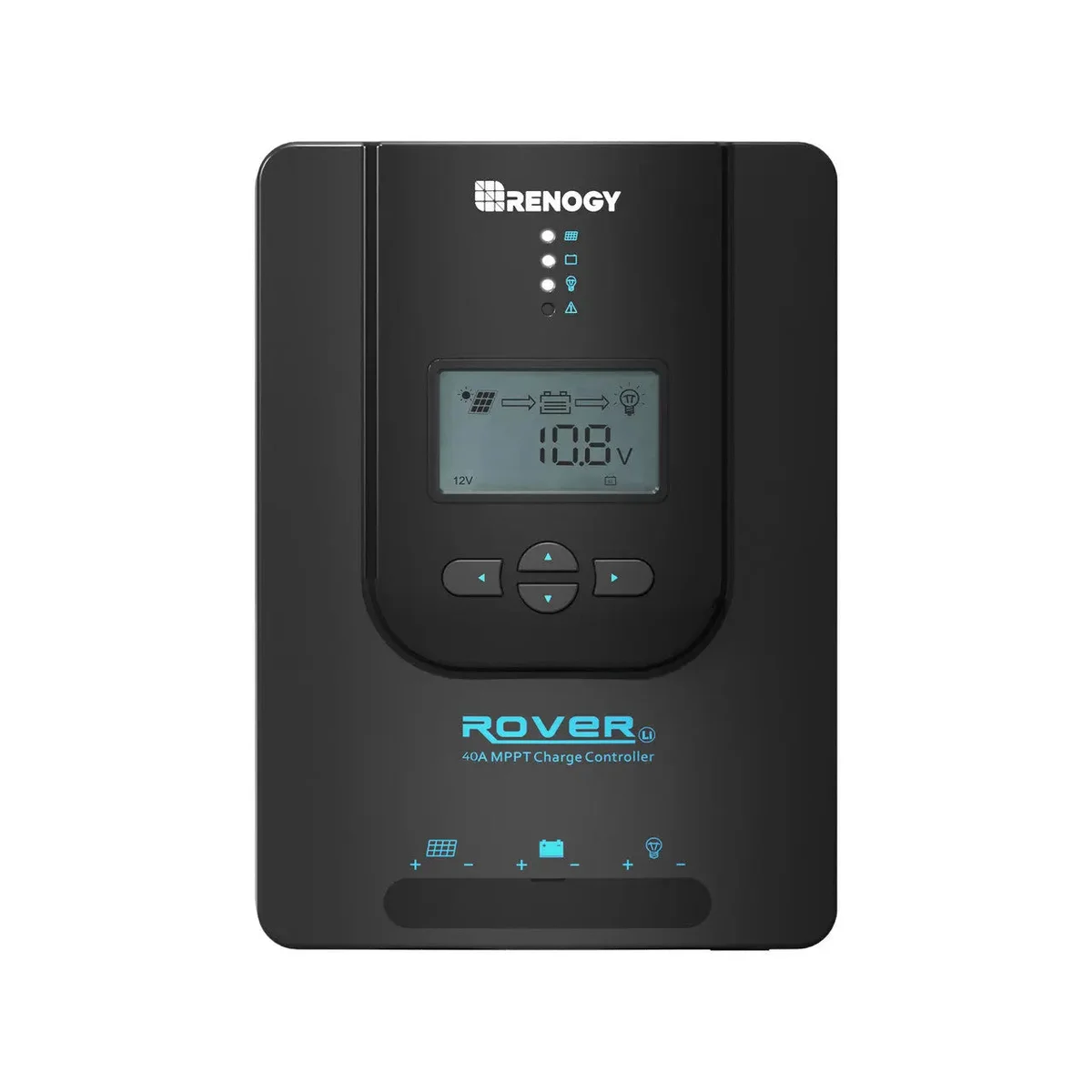
Charge Controllers
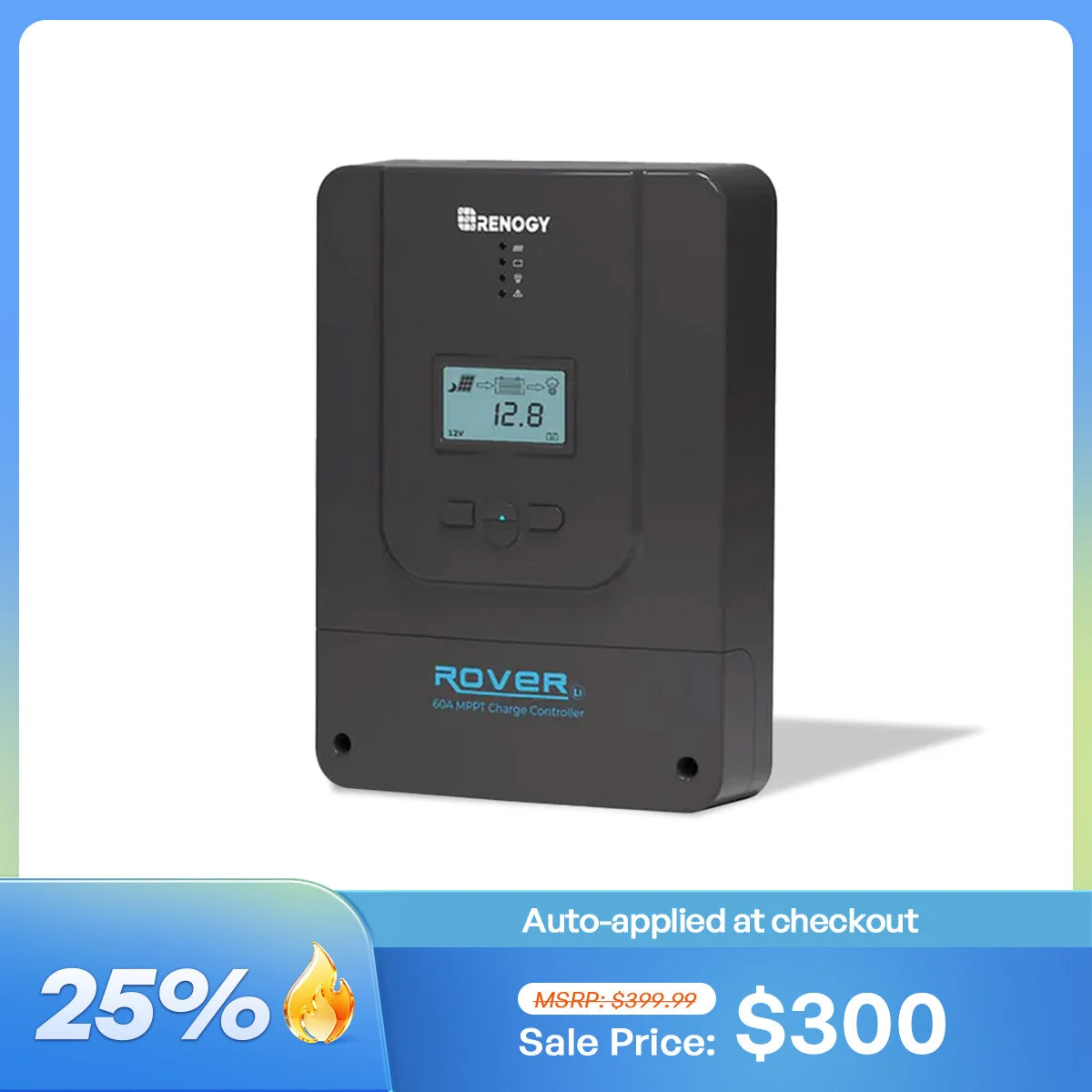
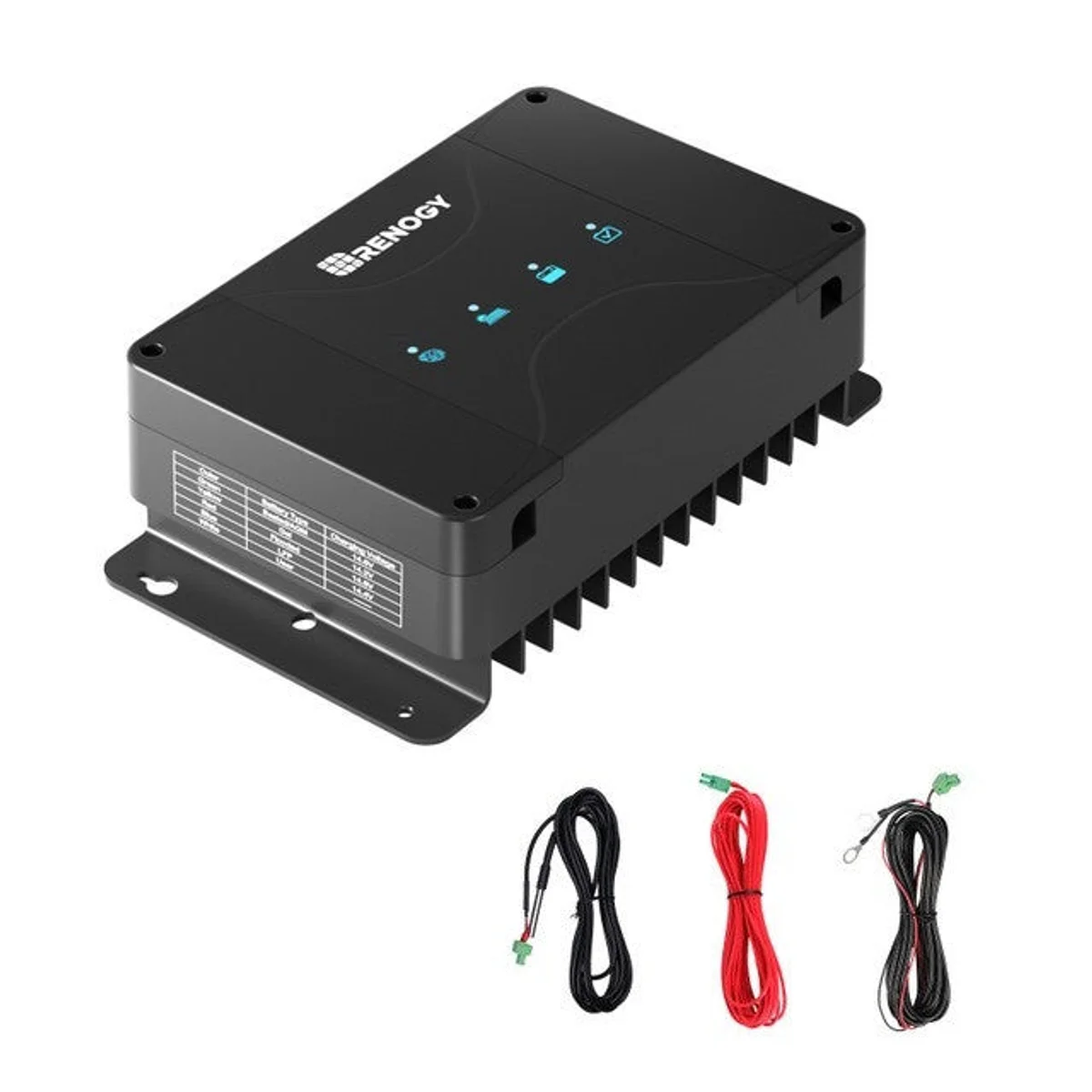
DC-DC Chargers
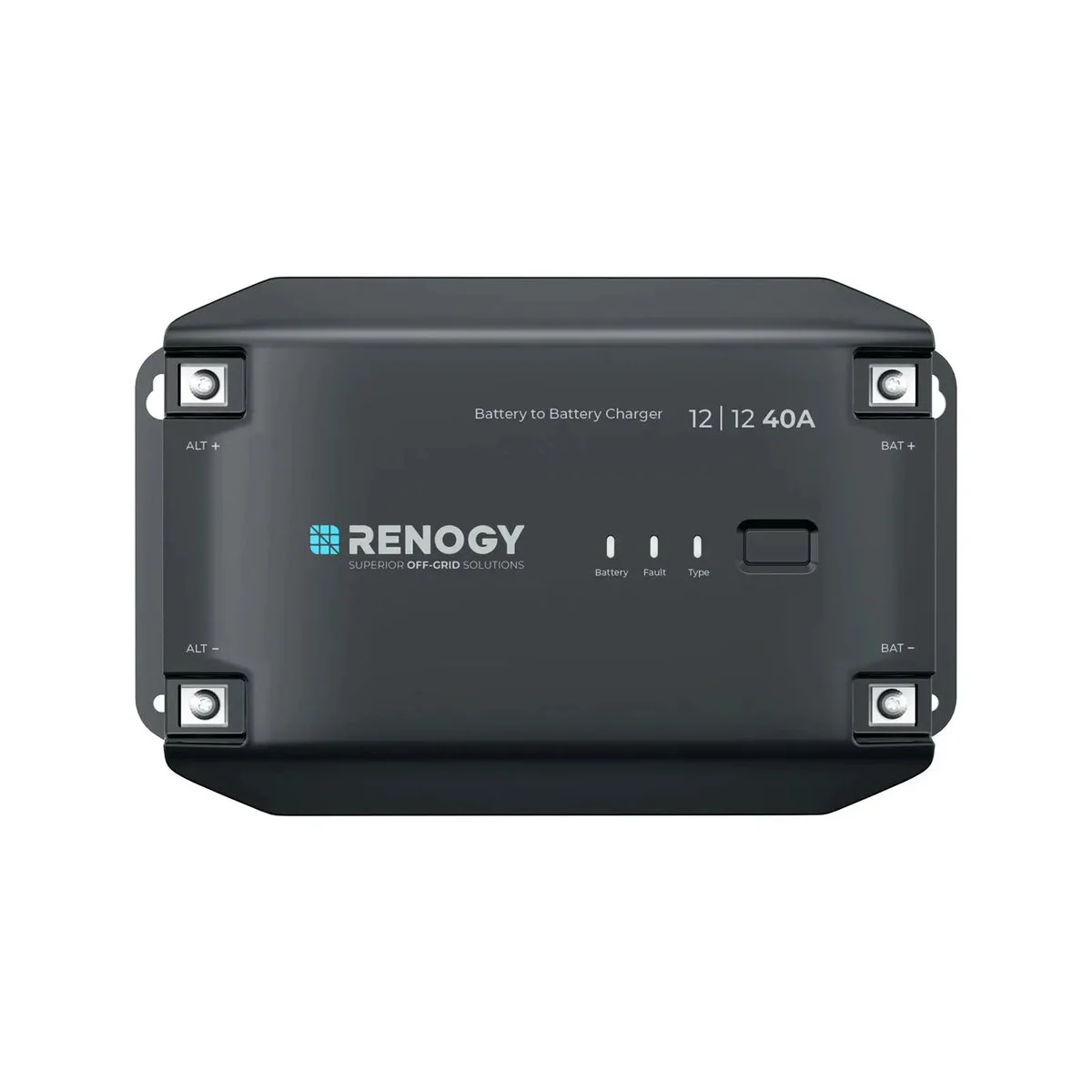
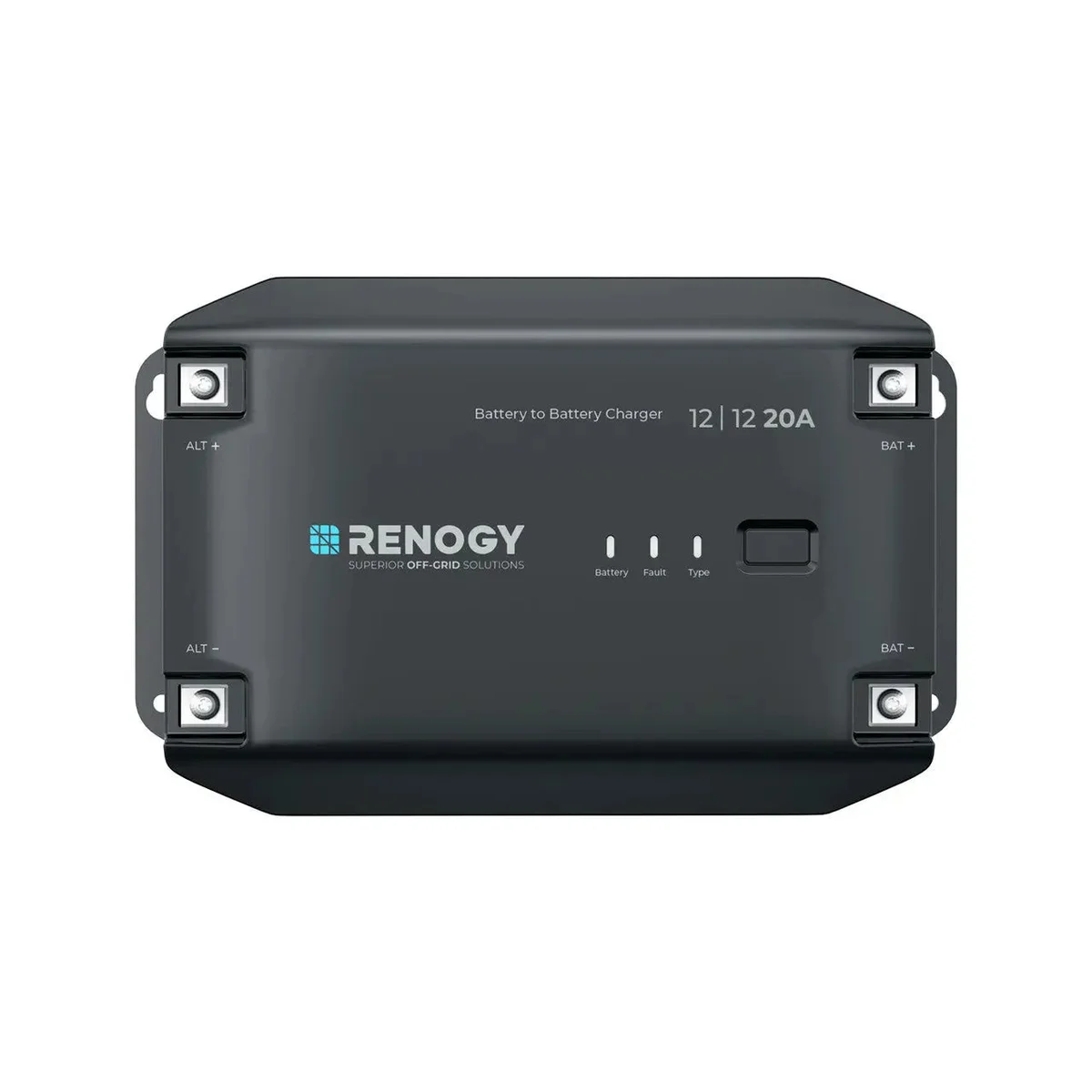
Accessory
Related Categories
Related Buying Guides
Guides below reference Renogy products through primary or secondary product links in the guide catalog.
Best Lithium Batteries for RVs (2026)
Compare 12V LiFePO4 RV batteries using published catalog specifications, planning tools, and head-to-head comparisons — without treating any single amp-hour label as a universal fit.
Read Guide →Is a 300Ah Lithium Battery Enough for Van Life? Sprinter Van Example
See whether a 300Ah 12V lithium battery is enough for van life, including a Sprinter example and practical battery-runtime planning.
Read Guide →Renogy 300Ah Battery Specs Explained (RV & Van Life)
Understand what a Renogy 300Ah 12V lithium battery means for RV and van builds, including capacity, BMS, runtime planning, and sizing considerations.
Read Guide →1000W vs 2000W Inverter for an RV or Camper Van
Compare Renogy 1,000 W and 2,000 W pure sine inverter continuous output and surge notes for RV and camper van planning.
Read Guide →200Ah vs 300Ah Lithium Battery: Which RV Capacity Do You Need?
Not sure whether 200Ah or 300Ah fits your RV? Compare 12V battery capacity, runtime, and planning needs with practical examples and product picks.
Read Guide →How Much Solar Power Does a Sprinter Van Need?
Learn how to estimate Sprinter Van solar array size from a 2,000 Wh/day example, peak sun hours, and system efficiency assumptions.
Read Guide →Portable Power Station vs Dedicated Inverter for Van Power
Understand the difference between an all-in-one portable power station and a standalone inverter using listed specifications and a Sprinter Van sizing example.
Read Guide →Used in These Setups
These SunPowerLogic setup examples include Renogy products in their configured equipment lists.
Overland Truck
Estimated 1,200 Wh/day baseline
Includes: Renogy 200W Portable Monocrystalline Solar Suitcase; Renogy Inverter PUH 1000W Pure Sine Wave Power Inverter
View Setup →Sailboat
Estimated 1,500 Wh/day baseline
Includes: Renogy Inverter PUH 2000W Pure Sine Wave Power Inverter
View Setup →Sprinter Van
Estimated 2,000 Wh/day baseline
Includes: Renogy 400W Monocrystalline Premium Kit; Renogy Inverter PUH 2000W Pure Sine Wave Power Inverter
View Setup →Frequently Asked Questions
Is Renogy a good solar brand?
Renogy is widely used in RV, van, and DIY off-grid projects because it offers complete component lines at accessible price points. Whether it is a good fit for your build depends on how its listed specifications compare to your daily energy target, peak loads, and installation environment—not on brand reputation alone.
Does Renogy make LiFePO4 batteries?
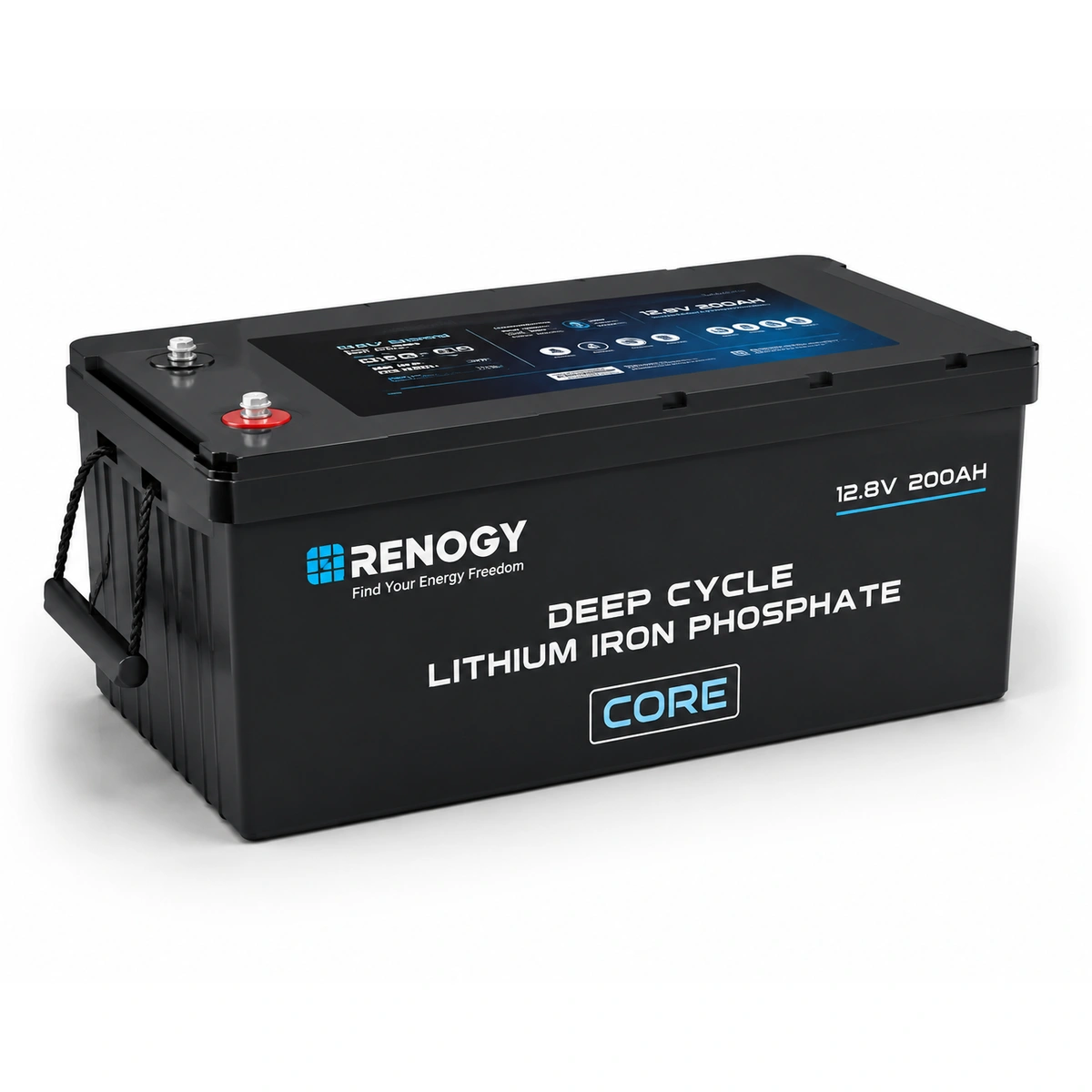
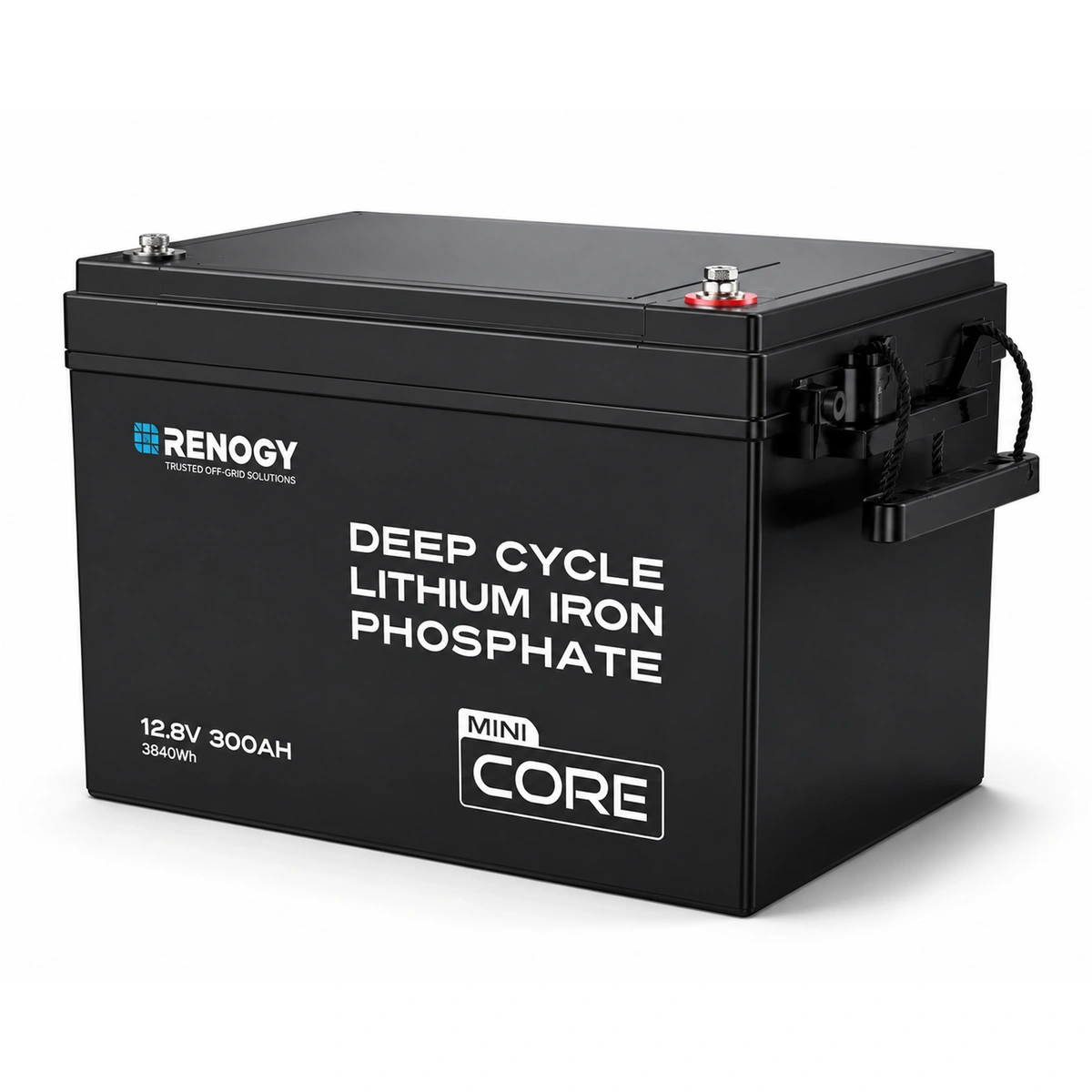
Yes. Renogy lists multiple 12 V LiFePO4 deep-cycle batteries in its Core Series, including 100 Ah, 200 Ah, and 300 Ah options tracked on SunPowerLogic. Chemistry, BMS current rating, and nominal voltage are shown on each product card from published specifications.
Are Renogy inverters pure sine wave?
The Renogy inverters tracked on this site are listed as pure sine wave models with continuous AC output ratings of 1,000 W and 2,000 W. Surge ratings appear separately in specification notes and should not be treated as continuous output when sizing for sustained loads.
Can Renogy power an RV?
Renogy components can serve RV electrical systems when solar output, battery storage, and inverter capacity are matched to the RV’s daily energy use. SunPowerLogic compares listed Renogy specifications against documented RV and van sizing examples so you can see where products meet or fall below a planning estimate.
Can Renogy be used for off-grid cabins?
Renogy batteries, panels, and inverters can be part of a cabin power system, especially for modest DC loads or supplemental AC circuits. Higher-demand cabins may require multiple batteries or additional charging sources. Use watt-hour planning first, then compare individual Renogy product ratings against that target.
Are Renogy products suitable for beginners?
Renogy sells many plug-and-play style kits and labeled lithium packs that appeal to first-time installers. Beginners still need to understand voltage, amp-hour capacity, inverter sizing, and basic wiring safety. Treat manufacturer listings as starting specifications and verify compatibility with your loads before purchase.
Product specifications and sizing comparisons on this page come from published listings and documented SunPowerLogic planning examples. They are planning references, not professional electrical designs. Verify compatibility with your loads and installation before purchasing.