12V Lithium Batteries for RV, Van Life & Off-Grid Power
This page compares battery products from multiple manufacturers using the published specifications available in SunPowerLogic. Each listing shows verified amp-hour, voltage, chemistry, and BMS data so you can evaluate options against your own energy budget—without treating any single product as a universal recommendation.
Introduction
LiFePO4 (lithium iron phosphate) batteries store energy in a chemistry that tolerates deep cycling better than most lead-acid alternatives. They are commonly sold as 12 V nominal packs rated in amp-hours, which makes them easy to compare on paper when the voltage is the same.
These batteries became popular in RV and van life builds because they pack more usable energy into less weight and often accept partial state-of-charge cycling without the same maintenance habits lead-acid systems expect. That does not remove the need for correct charging, fusing, and load planning.
For RV and camper van electrical systems, standalone lithium banks often pair with a separate inverter and solar charge equipment. Daily energy use, overnight runtime, and how often you recharge all determine whether a given amp-hour label is enough for your layout.
Van life builds with moderate DC loads and occasional AC appliance use typically start sizing from watt-hours per day, then convert to amp-hours at the system nominal voltage. A 100 Ah, 200 Ah, or 300 Ah label is only meaningful after that conversion step.
Off-grid cabins may need larger banks or multiple batteries wired in parallel when daily demand is high or winter charging is limited. A single 12 V pack can serve smaller DC circuits or supplement a broader system, but whole-property loads require honest watt-hour accounting first.
Marine applications sometimes use lithium batteries for house loads where weight and cycle life matter. Installation location, corrosion protection, and charging sources while at dock or underway remain separate decisions from the nameplate capacity alone.
Battery capacity planning should combine amp-hours, nominal voltage, usable depth of discharge, inverter demand, and charging capability. Two packs with the same amp-hour label can differ in listed BMS current, weight, warranty terms, and whether energy capacity in watt-hours is published at all.
Featured Products
Active batteries products from the SunPowerLogic catalog.
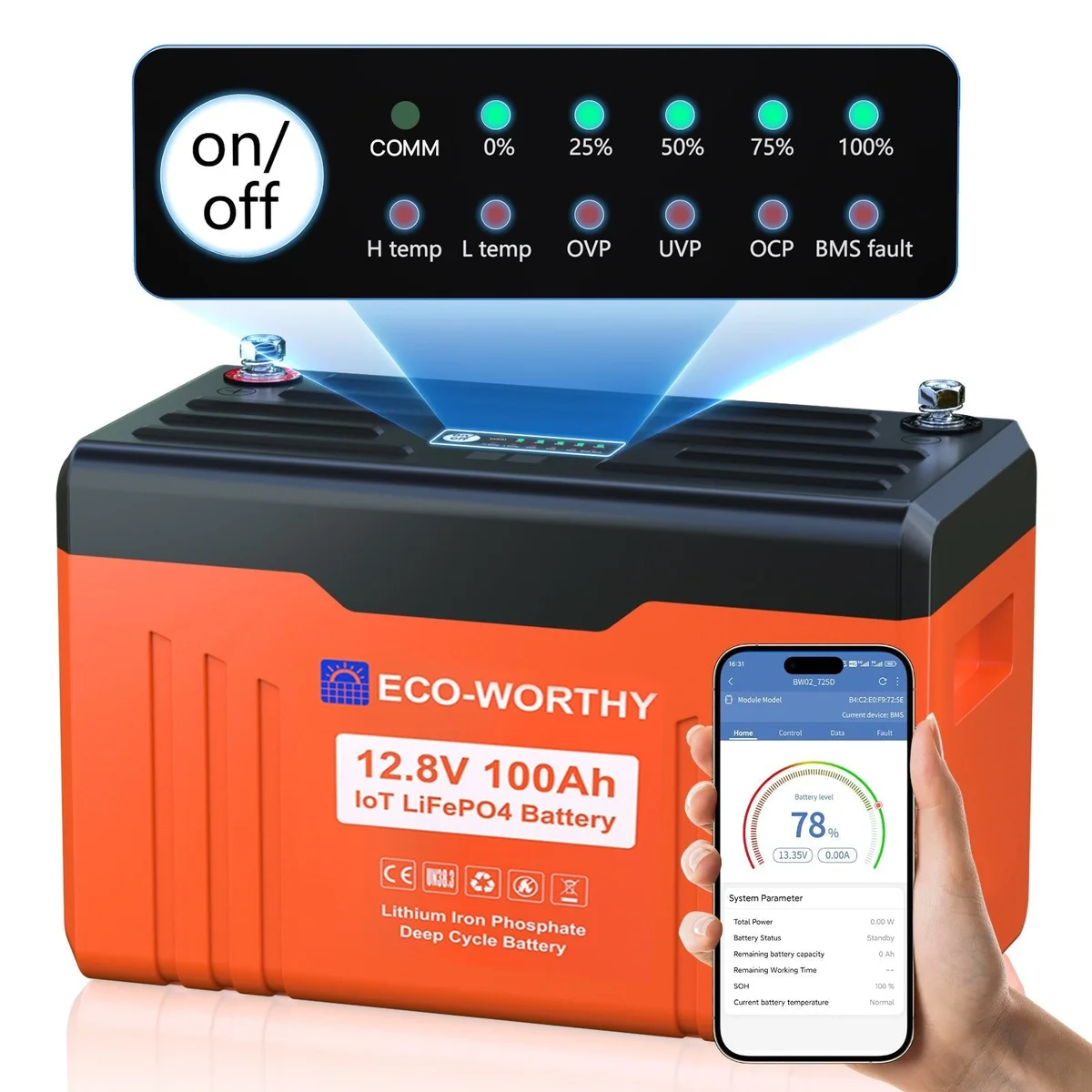
ECO-WORTHY 12V 100Ah LiFePO4 Battery with Bluetooth
View Product →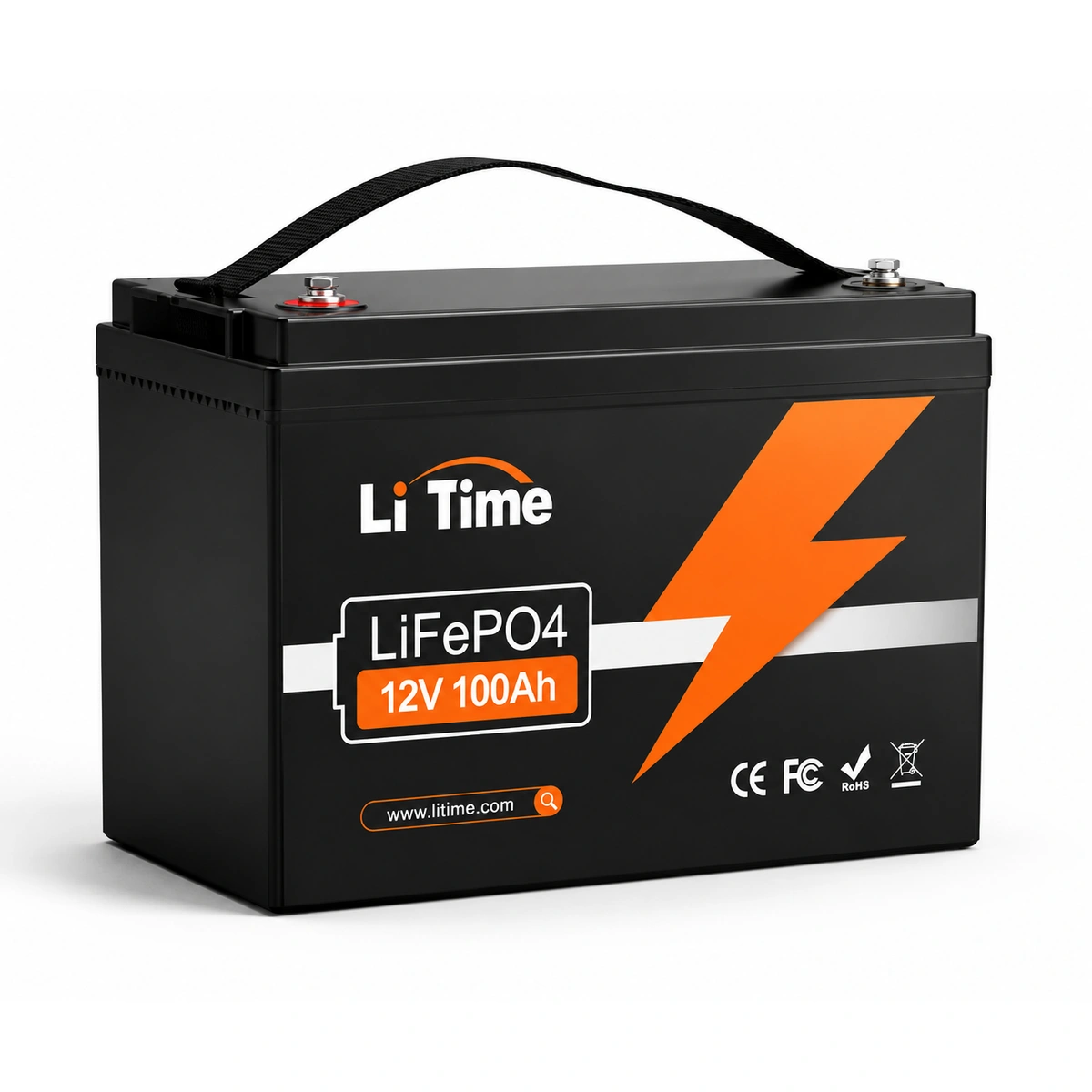
LiTime 12V 100Ah LiFePO4 Battery BCI Group 31 Lithium Battery Built-in 100A BMS, Up to 15000 Deep Cycles, Perfect for RV, Marine, Home Energy Storage
View Product →Litime 12V 200Ah Mini Lithium LiFePO4 Bluetooth Battery for RV Solar Marine | Group 31+, Max. 20000 Cycles at 60% DOD, 200A BMS, 2560Wh, Low Temp Protection, IP65, for Camper, Home Backup, Power Outages
View Product →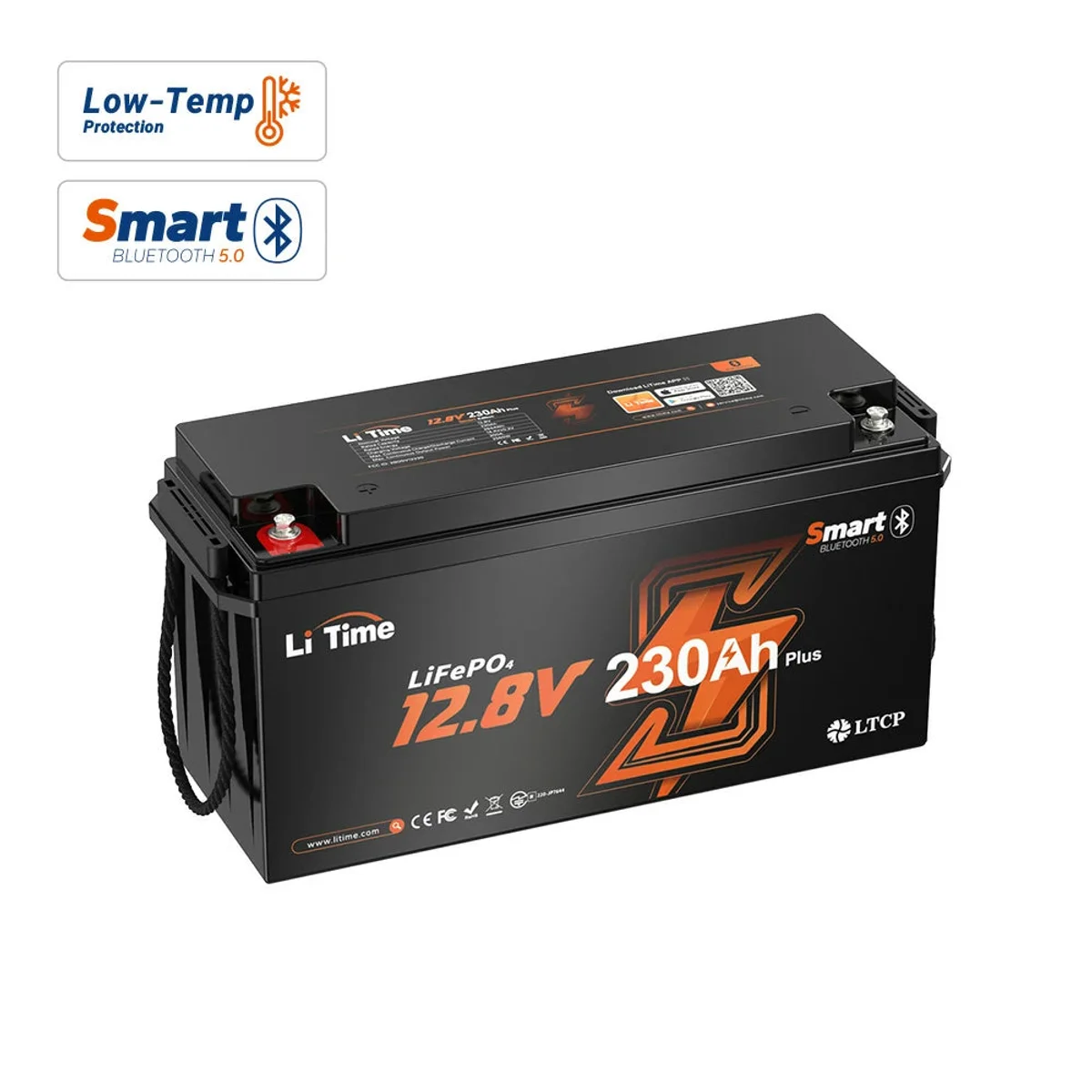
LiTime 12V 230Ah LiFePO4 Battery with Bluetooth
View Product →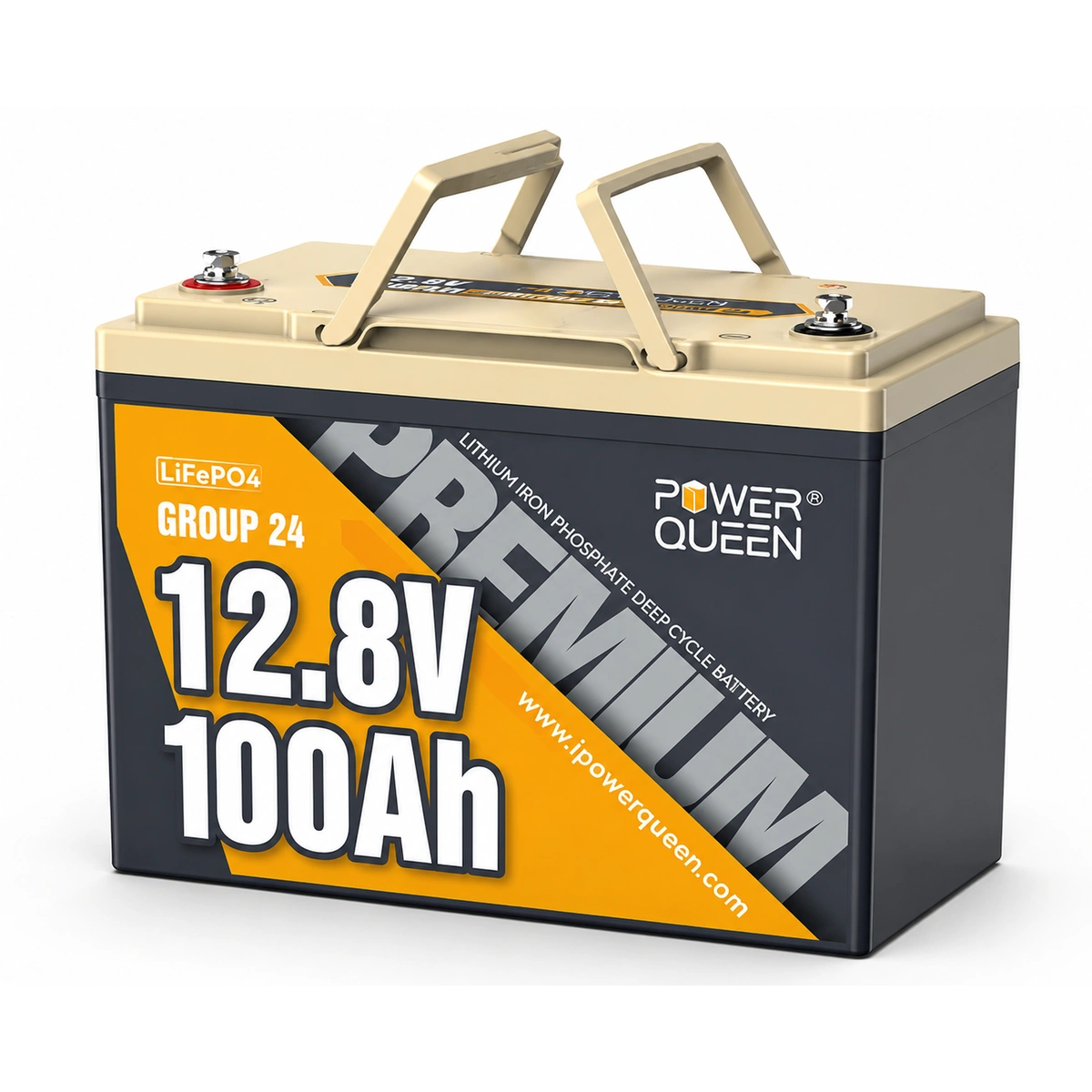
Power Queen 12V 100Ah LiFePO4 Battery Group 24, Lithium Deep Cycles Battery, Built-in 100A BMS, Up to 15000 Deep Cycles, Perfect for RV, Marine, Off-Grid Cabin
View Product →power queen 12V 200Ah Plus LiFePO4 Battery, 2560Wh Lithium Battery with 200A BMS, Deep Cycle Battery Up to 15000 Cycles & 10-Year Lifespan for Trailer RV, Motor Home, Solar Off-Grid
View Product →Shop by Brand
Brands are grouped automatically from each product's catalog entry. Brand hubs link to dedicated pages when a manufacturer is registered on SunPowerLogic.
Affiliate disclosure: Some product links below are affiliate links. SunPowerLogic may earn a commission from qualifying purchases at no additional cost to you.
ECO-WORTHY
1 product available
LiTime
3 products available
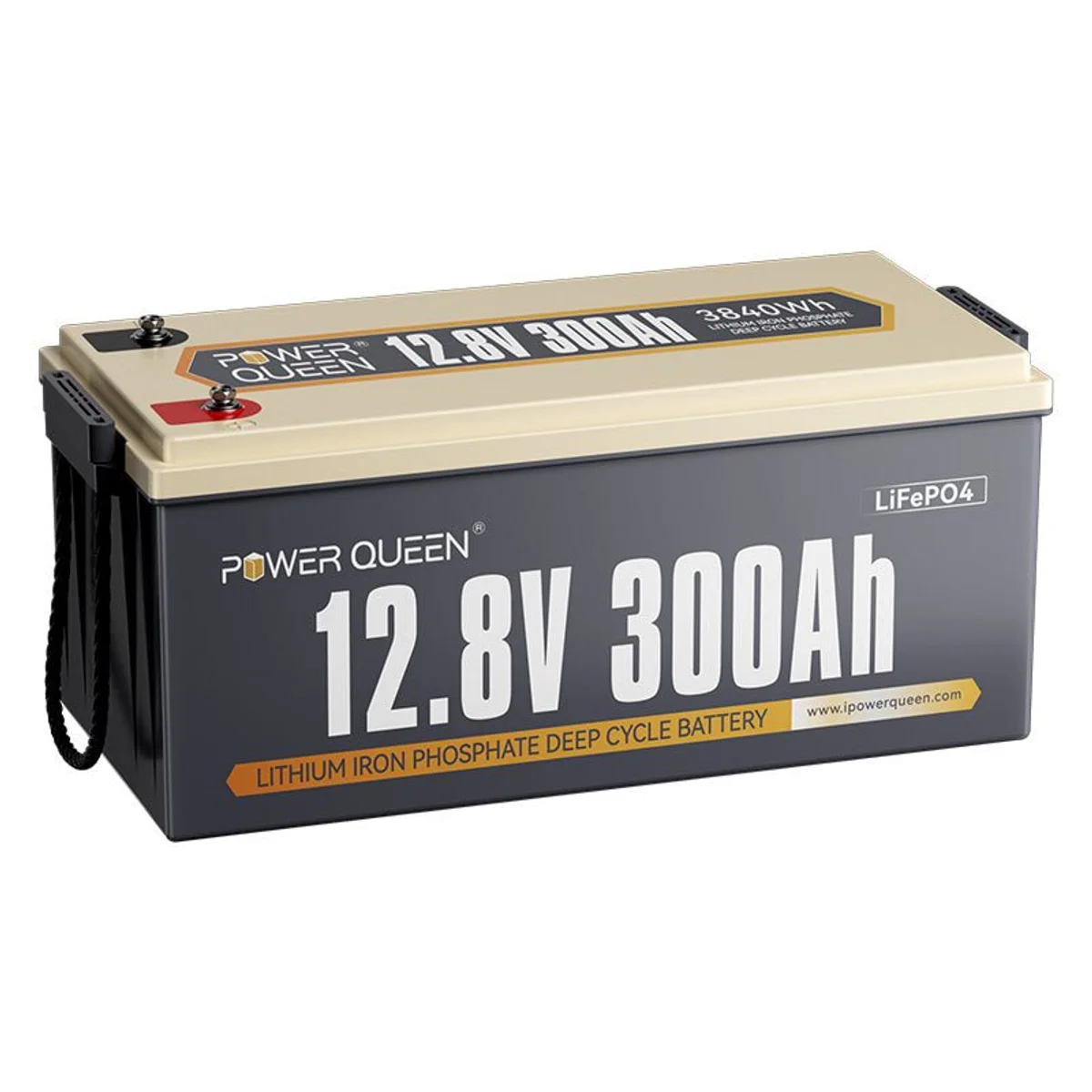
Power Queen
3 products available
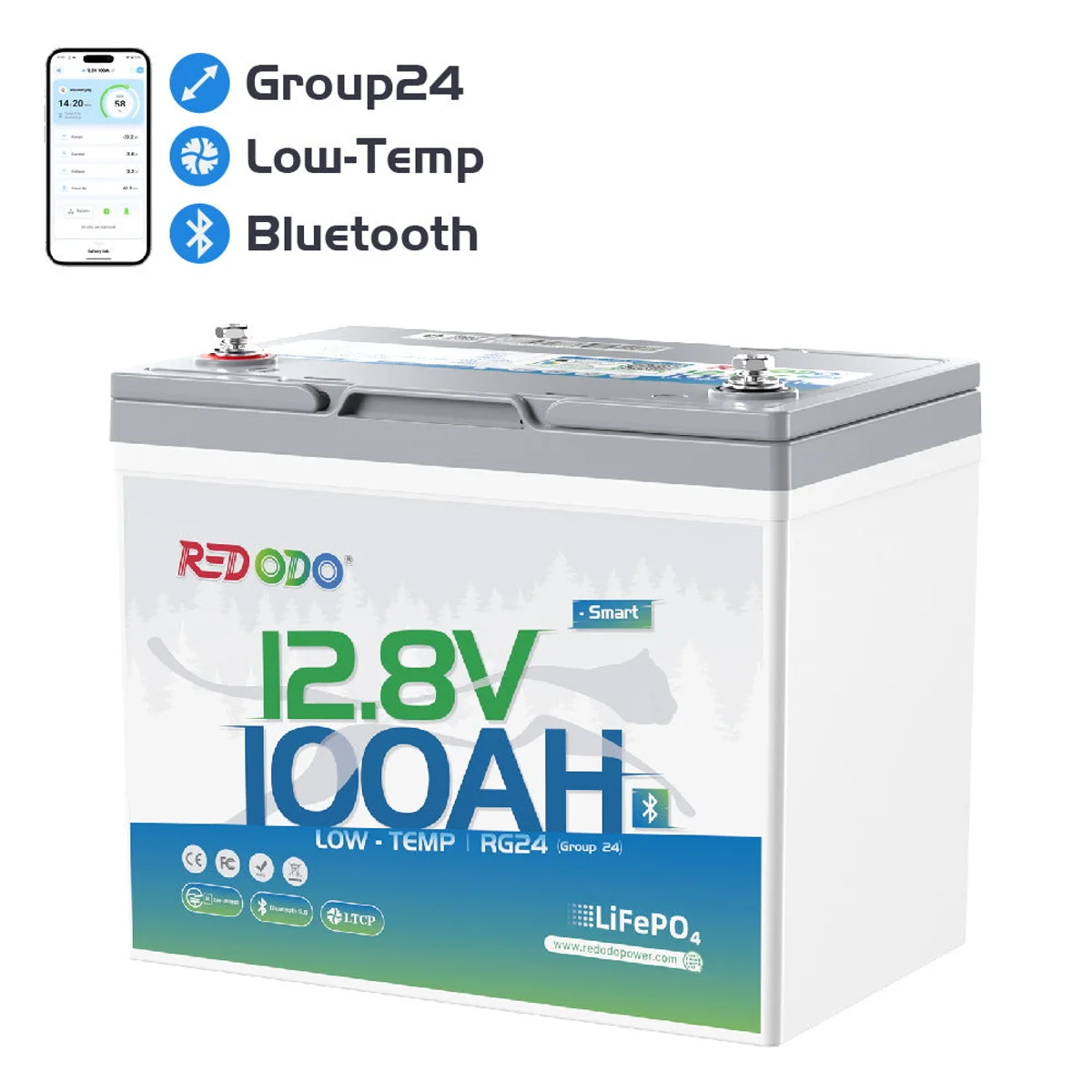
Redodo
1 product available
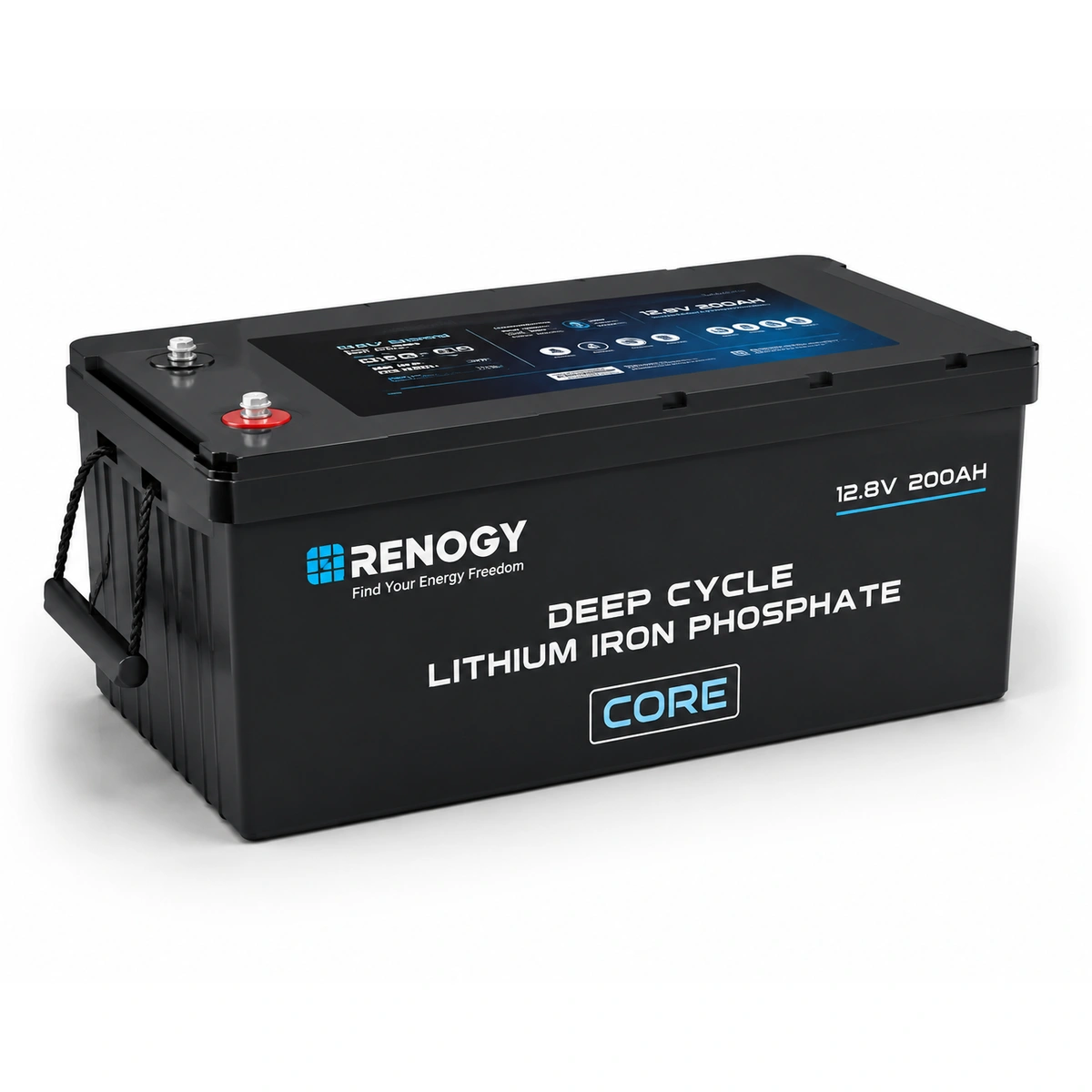
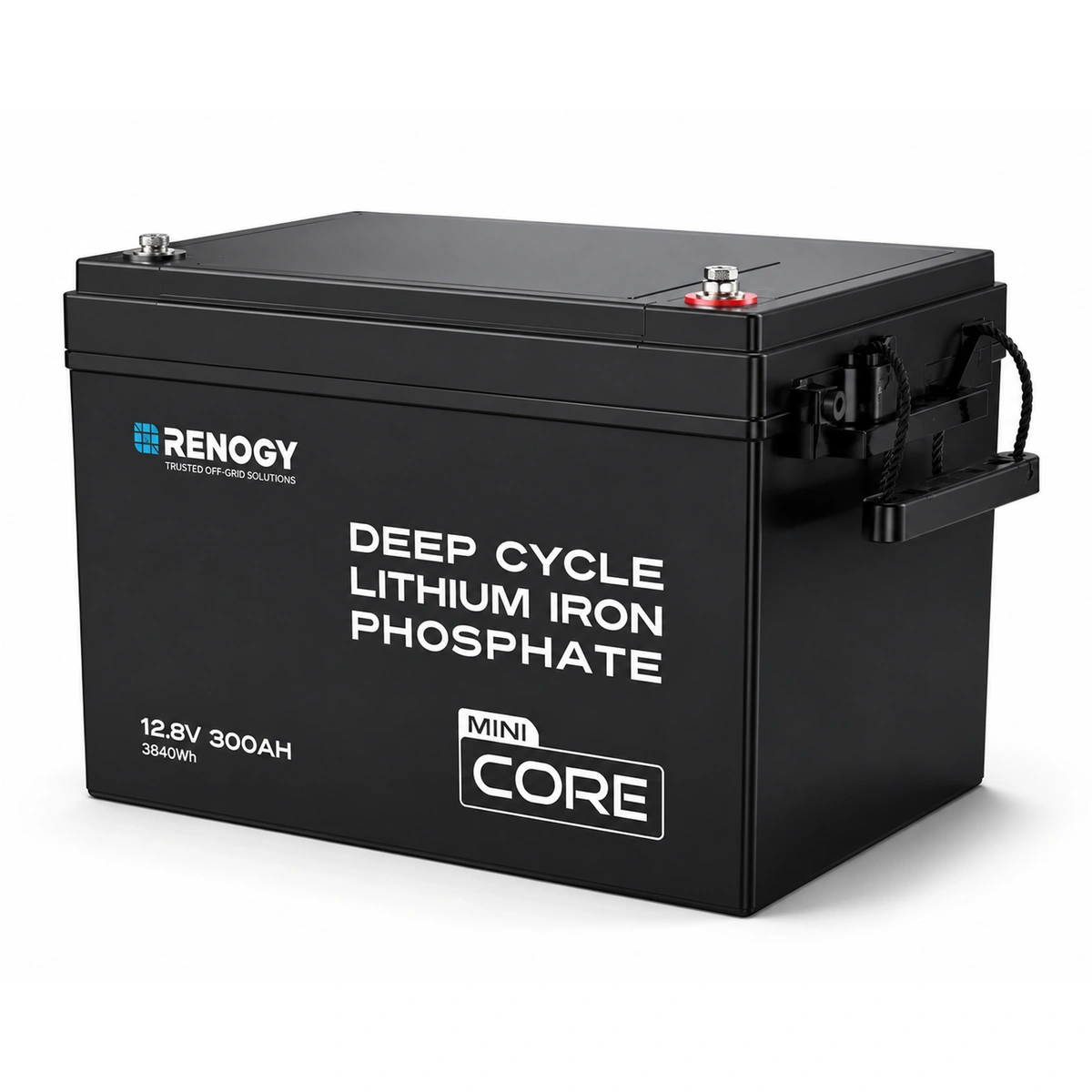
Renogy
2 products available
Shop by Capacity
Capacity sections are created automatically from each product's listed amp-hour rating. New capacities appear when matching products are added to the catalog.
100Ah
4 products at this capacity
200Ah
3 products at this capacity
230Ah
1 product at this capacity
300Ah
2 products at this capacity
Related Brands
Manufacturer hubs for brands with active batteries products in the catalog.
Related Buying Guides
Editorial and planning guides for batteries — matched by category taxonomy and catalog product references.
Best Lithium Batteries for RVs (2026)
Compare 12V LiFePO4 RV batteries using published catalog specifications, planning tools, and head-to-head comparisons — without treating any single amp-hour label as a universal fit.
Read Guide →Is a 300Ah Lithium Battery Enough for Van Life? Sprinter Van Example
See whether a 300Ah 12V lithium battery is enough for van life, including a Sprinter example and practical battery-runtime planning.
Read Guide →Best Portable Power Station for a Sprinter Van: What the Numbers Say
Compare portable power station battery capacity and AC output against a Sprinter Van sizing example to see which listed models meet, partially meet, or fall below the estimate.
Read Guide →Renogy 300Ah Battery Specs Explained (RV & Van Life)
Understand what a Renogy 300Ah 12V lithium battery means for RV and van builds, including capacity, BMS, runtime planning, and sizing considerations.
Read Guide →1000W vs 2000W Inverter for an RV or Camper Van
Compare Renogy 1,000 W and 2,000 W pure sine inverter continuous output and surge notes for RV and camper van planning.
Read Guide →200Ah vs 300Ah Lithium Battery: Which RV Capacity Do You Need?
Not sure whether 200Ah or 300Ah fits your RV? Compare 12V battery capacity, runtime, and planning needs with practical examples and product picks.
Read Guide →How Much Solar Power Does a Sprinter Van Need?
Learn how to estimate Sprinter Van solar array size from a 2,000 Wh/day example, peak sun hours, and system efficiency assumptions.
Read Guide →Used in These Setups
No setups yet
Buyer Checklist
Use this checklist when comparing batteries listings. It is educational guidance only—not a substitute for installation design or manufacturer documentation.
Voltage
Confirm the battery nominal voltage matches your system architecture. Most RV and van builds on this site use 12 V nominal packs, but higher-voltage banks require different wiring and charger settings.
Amp-hours
Amp-hour capacity describes stored charge at the listed nominal voltage. Compare amp-hours only when voltage is the same, or convert to watt-hours for cross-voltage planning.
Battery chemistry
LiFePO4 is the chemistry used by the batteries tracked here. Chemistry affects charging voltage limits, cycle behavior, and how the pack should be managed compared with lead-acid alternatives.
BMS
The battery management system protects the pack from over-current, over-voltage, and under-voltage conditions. A BMS amp rating is not the same as supported inverter wattage—verify both against your load list.
Cycle life
Manufacturers often publish cycle-life claims tied to specific depth-of-discharge test conditions. Treat cycle counts as comparative context, not a guarantee of calendar life in your installation.
Weight
Lithium packs are usually lighter than comparable lead-acid capacity, but large amp-hour banks still affect vehicle payload and mounting location. Check listed weight when roof or compartment limits apply.
Warranty
Warranty terms vary by seller and product line. Confirm what the warranty covers, whether registration is required, and whether your intended application is excluded before purchase.
Charging compatibility
Solar controllers, alternator chargers, and shore-power converters must match the battery chemistry and voltage profile. A correctly sized battery still fails in practice if the charging equipment cannot maintain appropriate limits.
Frequently Asked Questions
What size battery do I need?
Start with daily energy use in watt-hours, decide how much of the bank you plan to use per cycle, then convert the storage requirement to amp-hours at your system nominal voltage. SunPowerLogic setup examples and sizing guides show that calculation method using documented assumptions.
What is LiFePO4?
LiFePO4 is a lithium iron phosphate battery chemistry commonly used in RV and off-grid deep-cycle packs. It is valued for stable cycling characteristics relative to many lead-acid batteries, though charging limits and BMS protection still must be respected.
Is 100Ah enough?
A 100 Ah 12 V pack may be enough when daily energy demand is low and you recharge frequently. It is often tight for full-time van life with refrigeration and inverter loads. Compare your watt-hour budget against the pack before assuming the label covers your use case.
Is 200Ah enough?
200 Ah at 12 V nominal provides roughly twice the amp-hour headroom of 100 Ah at the same voltage. It suits many moderate RV and van builds, but adequacy still depends on actual daily consumption, AC load behavior, and charging opportunities.
Is 300Ah worth it?
300 Ah can make sense when you need longer battery-only runtime, less frequent charging, or more headroom above a calculated storage target. It is not automatically necessary—extra capacity adds cost and weight that may not pay off if your real loads stay modest.
Can lithium batteries be used in RVs?
Yes, when the pack voltage, BMS limits, charging equipment, and wiring are appropriate for the RV electrical system. Many RV owners choose LiFePO4 for house banks, but installation standards and load planning still apply.
Can lithium batteries be used off-grid?
Standalone lithium batteries can serve off-grid cabins and remote structures as part of a properly sized system with solar, inverter, and protection components. Whole-property demand may require multiple packs or higher-voltage banks beyond a single 12 V unit.
Can lithium batteries be charged with solar?
Yes, when the charge controller or integrated charger is configured for lithium chemistry and the array output matches the controller and battery limits. Solar charging is one recharge path; alternator and shore-power charging may still be needed depending on use patterns.
Product specifications on this page come from published listings in the SunPowerLogic catalog. They are planning references, not professional electrical designs. Verify compatibility with your loads, charging equipment, and installation before purchasing.