Comparison

1000W vs 2000W Inverter for an RV or Camper Van

Compare Renogy 1,000 W and 2,000 W pure sine inverter continuous output and surge notes for RV and camper van planning.

  • 6 min read
  • By SunPowerLogic Editorial
  • Batteries
  • Last reviewed July 28, 2026

Quick Verdict

Loads above 1,500 W continuous? Choose 2,000 W — Best Overall: Renogy 2000W Inverter.

Size from your highest realistic simultaneous AC load plus planning margin. The 2,000 W Renogy unit exceeds the Sprinter Van 1,500 W estimate; the 1,000 W unit suits lower-load builds only.

Key Takeaways

  • Plan from continuous output — surge ratings are not sustained capacity.
  • 1,000 W falls 500 W short of the Sprinter Van continuous estimate.
  • 2,000 W requires a battery bank and wiring sized for the sustained load.

Buying Verdict

Ranked picks with Amazon pricing — compare specifications on our product pages before you buy.

Affiliate disclosure: Product links below are Amazon affiliate links. SunPowerLogic may earn a commission from qualifying purchases at no additional cost to you.

Product image for Renogy Inverter PUH 2000W Pure Sine Wave Power Inverter
🏆 Best Overall
8/10Editor Score

Renogy Inverter PUH 2000W Pure Sine Wave Power Inverter

Renogy 2000W pure sine inverter lists 2,000 W continuous AC output with 4,000 W surge noted separately. It scores 8/10 for RV and van builds that need headroom above the Sprinter Van 1,500 W continuous estimate while pairing with a correctly sized battery bank.

Best for

  • Sprinter van and RV builds with moderate-to-heavy AC loads
  • Upgrades from 1,000 W when load list has grown
  • Renogy ecosystem builds matching battery and inverter tiers

Key pros

  • 2,000 W continuous output exceeds the 1,500 W Sprinter example
  • 4,000 W surge for startup loads (plan from continuous rating)
  • UPS transfer switch and Bluetooth monitoring listed

Key cons

  • Requires correctly sized battery bank and DC wiring
  • Surge capacity is not continuous output
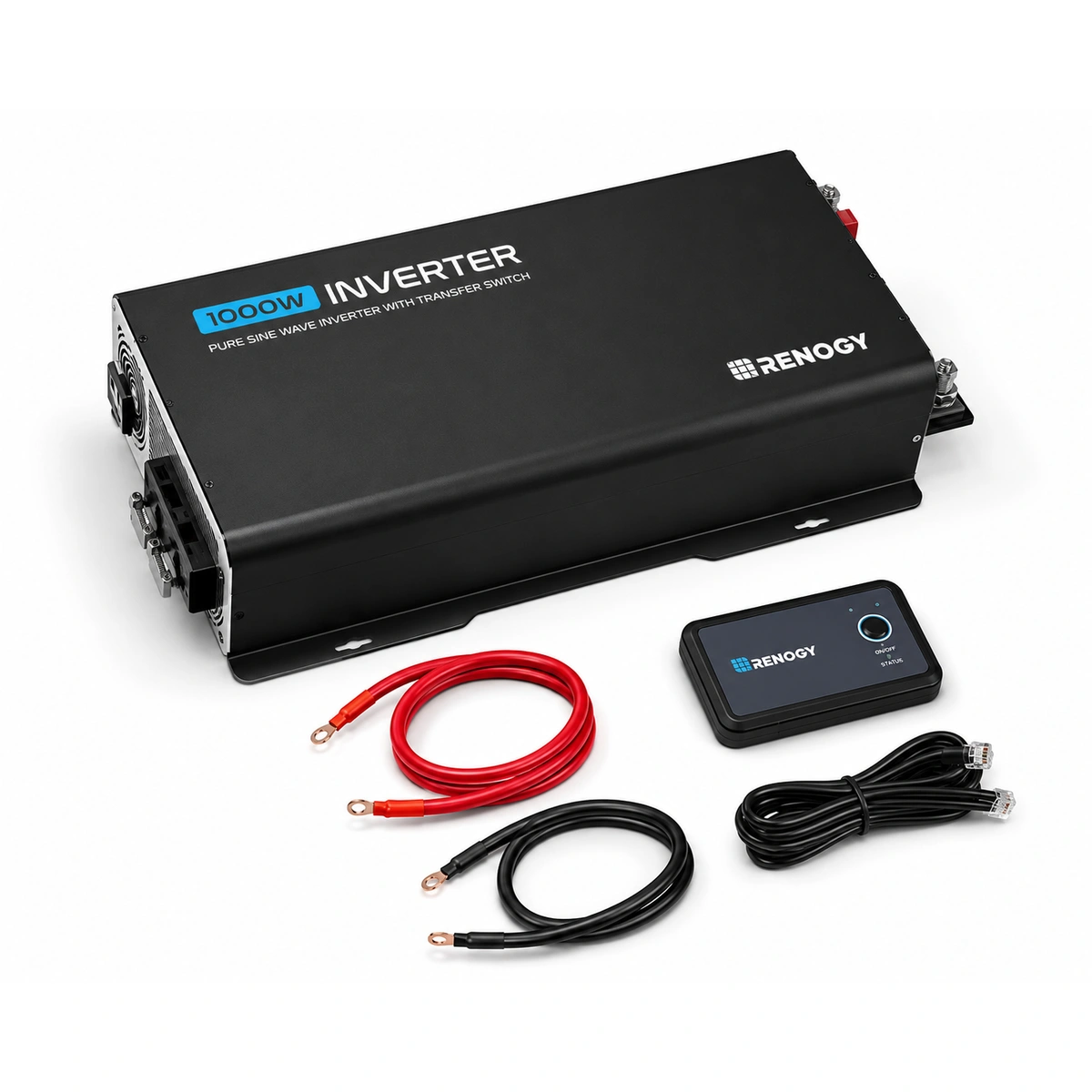
Product image for Renogy Inverter PUH 1000W Pure Sine Wave Power Inverter
💰 Best Value
7/10Editor Score

Renogy Inverter PUH 1000W Pure Sine Wave Power Inverter

Renogy 1000W pure sine inverter lists 1,000 W continuous AC output with 2,000 W surge noted separately. It scores 7/10 for lower-load RV builds where peak simultaneous AC demand stays modest, though it falls 500 W short of the Sprinter Van 1,500 W continuous estimate.

Best for

  • Weekend RV camping with modest AC appliances
  • Builds where peak simultaneous load stays under 1,000 W
  • Budget inverter upgrades on existing 12V banks

Key pros

  • 1,000 W continuous output suits light AC load lists
  • 2,000 W surge rating for startup loads (not continuous)
  • UPS transfer switch and Bluetooth monitoring listed

Key cons

  • 500 W below the Sprinter Van 1,500 W continuous estimate
  • Surge rating is not continuous output capacity

Who This Guide Is For

Primary audience

RV and camper van builders

Owners sizing continuous AC output from peak load lists and surge planning margin.

Inverter upgraders

Shoppers deciding between 1,000 W and 2,000 W pure sine inverter tiers.

How We Chose

Our editorial recommendations are based on published specifications, documented use cases, and hands-on research criteria — not paid placement.

  • Published specifications

    Recommendations reference manufacturer specs and catalog data — not marketing claims alone.

  • Documented use cases

    We match picks to stated audiences, load profiles, and installation contexts described in the article.

  • Editorial independence

    Affiliate partnerships do not determine which products are featured or how they are ranked.

Before You Buy

  • Plan from continuous output — surge ratings are not sustained capacity.
  • 1,000 W falls 500 W short of the Sprinter Van continuous estimate.
  • 2,000 W requires a battery bank and wiring sized for the sustained load.

Introduction

Inverter sizing for RV and camper van builds usually centers on continuous AC output, not short surge ratings alone. This comparison looks at the listed continuous AC output of two Renogy pure sine wave inverters, while treating their surge ratings separately.

The Sprinter Van example provides context for how a 1,500 W inverter need is estimated from peak load and surge margin assumptions.

Baseline Sizing Summary

The Sprinter Van example uses an estimated daily energy need of 2,000 Wh/day. These values are planning estimates, not a site-specific electrical design.

Daily energy assumption
2,000 Wh/day
Estimated solar need
500 W
Estimated battery need
2,223 Wh
Estimated inverter need
1,500 W

Peak sun hours: 5 | System efficiency: 80% | Usable battery fraction: 90% | Surge margin: 1.25×

View full Sprinter Van setup example →

Analysis

The Renogy Inverter PUH 1000W lists 1,000 W continuous AC output. Its additional specification note records 2,000 W surge capability along with UPS transfer switch and Bluetooth remote monitoring features. Surge capacity is not treated as continuous output in this comparison.

The Renogy Inverter PUH 2000W lists 2,000 W continuous AC output with a surge note of 4,000 W. Against the Sprinter Van inverter estimate of about 1,500 W, the 1,000 W unit falls 500 W short on continuous output while the 2,000 W unit provides about 500 W of headroom.

Standalone inverters do not include battery storage. A 2,000 W inverter still requires a correctly sized battery bank and DC wiring that can support the load. A 1,000 W inverter may be adequate when peak appliance demand stays lower, but margin shrinks quickly when inductive loads start up.

Verdict

Choose inverter continuous output based on the highest realistic simultaneous AC load plus planning margin. The 2,000 W Renogy unit fits buyers who want headroom above the 1,500 W example estimate, while the 1,000 W unit suits lower-load builds where peak demand stays modest. Match the inverter to your load list and battery system rather than surge marketing language alone.

Product Comparison

SpecificationRenogy Inverter PUH 1000W Pure Sine Wave Power InverterRenogy Inverter PUH 2000W Pure Sine Wave Power Inverter
BrandRenogyRenogy
Product typeInverterInverter
Continuous AC output1,000 W2,000 W
Additional specification note2000W surge; UPS transfer switch; Bluetooth remote monitoring4000W surge; UPS transfer switch; Bluetooth remote monitoring
MerchantAmazonAmazon

Ready to buy?

Compare the latest Amazon price and customer reviews before you order.

Our top pick for this guide: Renogy Inverter PUH 2000W Pure Sine Wave Power Inverter

Check Price on Amazon →View full specifications on SunPowerLogic →

Affiliate disclosure: This is an Amazon affiliate link. SunPowerLogic may earn a commission from qualifying purchases at no additional cost to you.

Frequently Asked Questions

  • Should I size an inverter from surge or continuous output?

    Size from the highest realistic simultaneous continuous AC load plus planning margin. Surge ratings help with startup loads but should not replace continuous output planning.

  • Is a 1,000 W inverter enough for an RV?

    It can be when peak simultaneous AC demand stays below 1,000 W continuous. Against the Sprinter Van example estimate of about 1,500 W, the 1,000 W Renogy unit falls 500 W short on continuous output.

  • Does a 2,000 W inverter require a larger battery bank?

    Yes. Higher inverter output requires a battery and DC wiring path that can support the sustained load. Inverter wattage alone does not define battery adequacy.