Review

Renogy 300Ah Battery Specs Explained (RV & Van Life)

Understand what a Renogy 300Ah 12V lithium battery means for RV and van builds, including capacity, BMS, runtime planning, and sizing considerations.

  • 7 min read
  • By SunPowerLogic Editorial
  • Batteries
  • Last reviewed July 28, 2026

Quick Verdict

Best Overall for high-reserve 12V builds: Renogy 300Ah Mini Core.

The Renogy 300Ah Mini Core lists 300 Ah at 12V with a 200A BMS — above the Sprinter Van example amp-hour conversion (~186 Ah). Verify energy capacity, charging compatibility, and physical fit before ordering.

Key Takeaways

  • 300 Ah at 12V exceeds the Sprinter example amp-hour planning figure.
  • 200A BMS is a sustained discharge ceiling — match to your inverter load list.
  • Remote monitoring compatibility is a differentiator over smaller Core Series packs.

Buying Verdict

Ranked picks with Amazon pricing — compare specifications on our product pages before you buy.

Affiliate disclosure: Product links below are Amazon affiliate links. SunPowerLogic may earn a commission from qualifying purchases at no additional cost to you.

Product image for Renogy 12V 300Ah Mini Size LiFePO4 Lithium Battery
🏆 Best Overall
8/10Editor Score

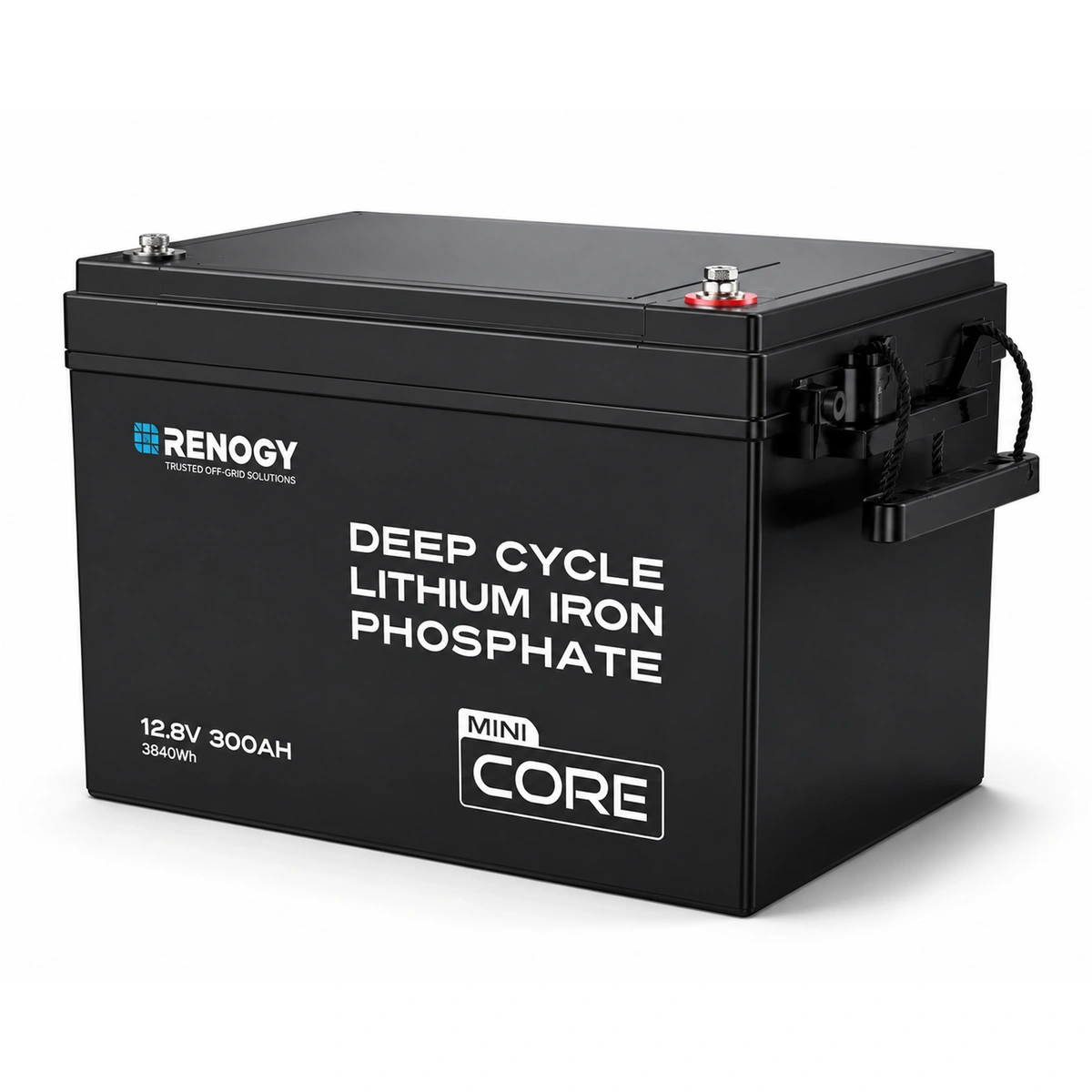
Renogy 12V 300Ah Mini Size LiFePO4 Lithium Battery

Renogy 300Ah Mini Core Series lists the highest amp-hour capacity among Renogy batteries in the catalog, with 200A BMS and remote monitoring compatibility noted in specifications. It scores 8/10 for buyers needing maximum single-pack reserve at 12V within the published Renogy lineup, with monitoring support as a differentiator over the 100Ah and 200Ah Core models.

Best for

  • Van life and RV builds with high daily energy targets
  • Off-grid cabins needing extended reserve in a single 12V pack
  • Installations where remote monitoring integration is part of the plan

Key pros

  • 300Ah capacity—the largest Renogy battery tracked in the catalog
  • 200A BMS supports higher sustained discharge planning
  • Remote monitoring compatibility listed in specification notes

Key cons

  • Mini form factor dimensions not published in catalog—verify fit before purchase
  • Higher capacity increases cost and weight versus 100Ah or 200Ah options
Product image for Litime 12V 200Ah Mini Lithium LiFePO4 Bluetooth Battery for RV Solar Marine | Group 31+, Max. 20000 Cycles at 60% DOD, 200A BMS, 2560Wh, Low Temp Protection, IP65, for Camper, Home Backup, Power Outages
⭐ Premium Pick
7/10Editor Score

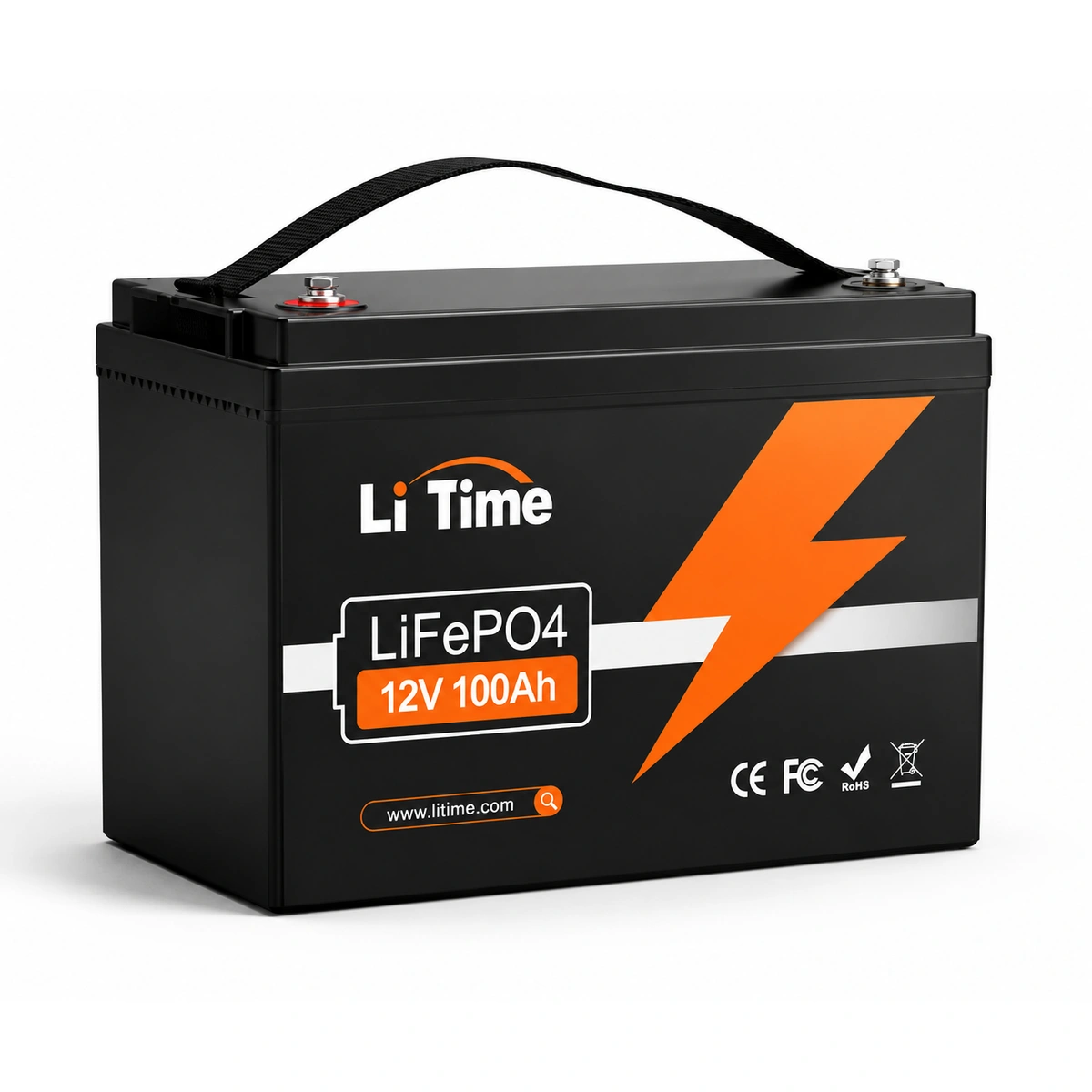
Litime 12V 200Ah Mini Lithium LiFePO4 Bluetooth Battery for RV Solar Marine | Group 31+, Max. 20000 Cycles at 60% DOD, 200A BMS, 2560Wh, Low Temp Protection, IP65, for Camper, Home Backup, Power Outages

LiTime 200Ah pack lists 2560 Wh energy and a 100A BMS—double the amp-hour reserve of the 100Ah model but with the same BMS discharge ceiling. It scores 7/10 for capacity at a common price tier; the published 100A BMS is the main planning constraint when compared to 200Ah listings with higher BMS ratings in the catalog.

Best for

  • RV and van solar storage with documented daily energy budgets
  • Marine trolling motor setups at 12V
  • Buyers stepping up from 100Ah without changing voltage architecture

Key pros

  • 200Ah capacity with 2560 Wh listed energy
  • LiFePO4 chemistry with integrated 100A BMS
  • Product listing cites up to 1280W load power for planning reference

Key cons

  • 100A BMS on a 200Ah pack may limit high simultaneous inverter loads
  • Listed energy of 2560 Wh is lower than some competing 200Ah catalog entries
Product image for Renogy 12V 200Ah Lithium LiFePO4 Deep Cycle Battery, 5000+Deep Cycles, 200A BMS,Backup Power for Trolling motor, Cabin,Marine, Off-Grid Home Energy Storage-Core Series
💰 Best Value
8/10Editor Score

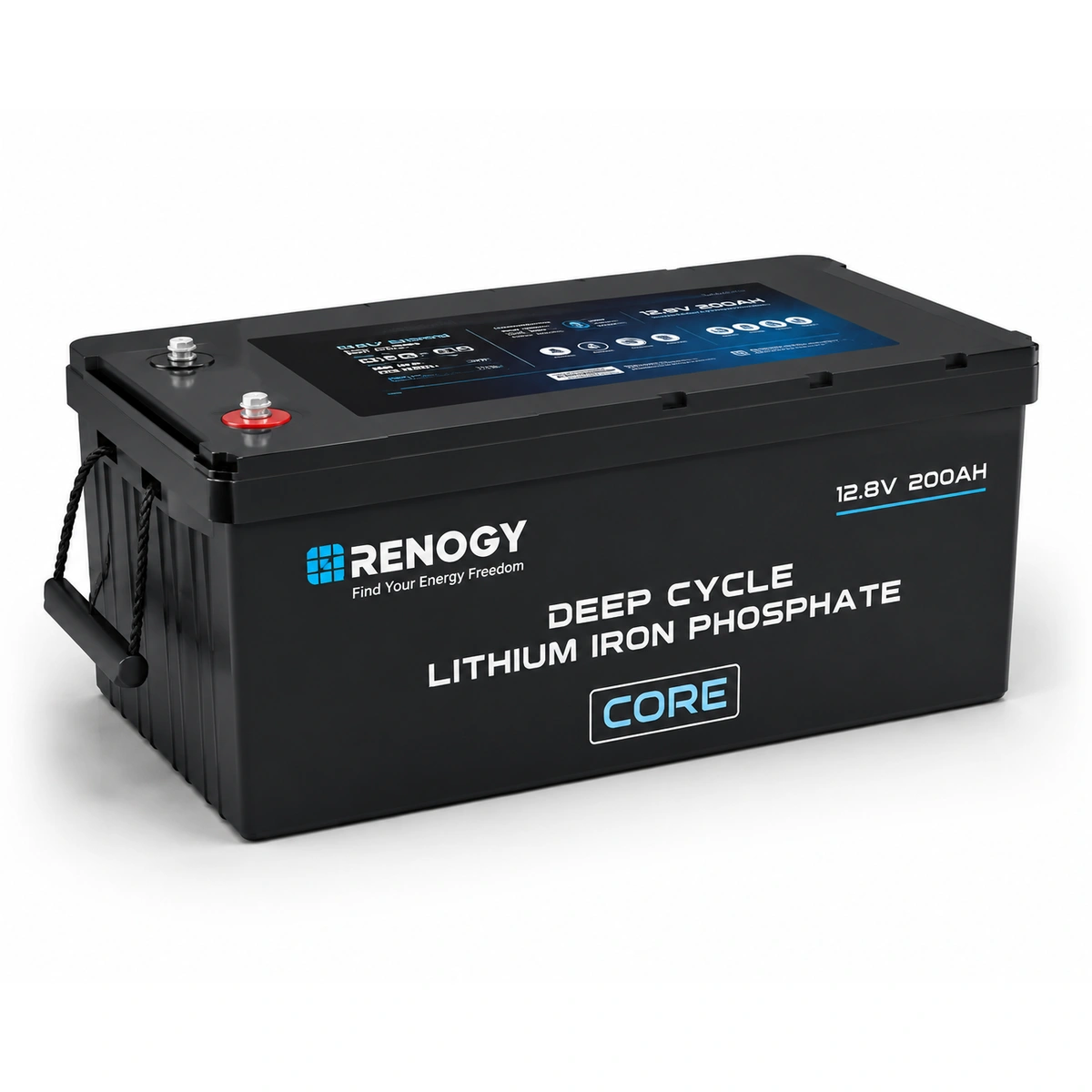
Renogy 12V 200Ah Lithium LiFePO4 Deep Cycle Battery, 5000+Deep Cycles, 200A BMS,Backup Power for Trolling motor, Cabin,Marine, Off-Grid Home Energy Storage-Core Series

Renogy Core Series 200Ah lists 2713 Wh energy and a 200A BMS—higher sustained discharge capability than 200Ah competitors with 100A BMS limits in the catalog. It scores 8/10 because published specifications support heavier inverter pairing at the same amp-hour tier, with Core Series branding for consistency across Renogy component builds.

Best for

  • RV and off-grid storage needing more reserve than 100Ah
  • Builds pairing with Renogy 1000W or 2000W inverters
  • Marine and cabin systems with documented loads within 200A BMS limits

Key pros

  • 200A BMS rating supports higher sustained discharge than 100A alternatives at 200Ah
  • 2713 Wh listed energy capacity for watt-hour planning
  • Core Series LiFePO4 within Renogy integrated component line

Key cons

  • Single-pack capacity may still fall short of high daily energy budgets
  • Remote monitoring not listed for this model

Who This Guide Is For

Primary audience

RV and van battery buyers

Shoppers interpreting amp-hour, BMS, and chemistry labels on standalone lithium packs.

DIY installers

Builders verifying inverter demand, charging compatibility, and wiring against published specs.

How We Chose

Our editorial recommendations are based on published specifications, documented use cases, and hands-on research criteria — not paid placement.

  • Published specifications

    Recommendations reference manufacturer specs and catalog data — not marketing claims alone.

  • Documented use cases

    We match picks to stated audiences, load profiles, and installation contexts described in the article.

  • Editorial independence

    Affiliate partnerships do not determine which products are featured or how they are ranked.

Before You Buy

  • 300 Ah at 12V exceeds the Sprinter example amp-hour planning figure.
  • 200A BMS is a sustained discharge ceiling — match to your inverter load list.
  • Remote monitoring compatibility is a differentiator over smaller Core Series packs.

Introduction

Standalone lithium batteries are often sold on amp-hour labels, chemistry, and BMS ratings that are easy to misread without context. This guide explains what the listed specifications on the Renogy 300 Ah battery mean for RV and van life planning.

The Sprinter Van example provides a planning reference for how listed battery capacity relates to an estimated daily energy target. It does not claim the battery was installed or tested in a specific vehicle.

Baseline Sizing Summary

The Sprinter Van example uses an estimated daily energy need of 2,000 Wh/day. These values are planning estimates, not a site-specific electrical design.

Daily energy assumption
2,000 Wh/day
Estimated solar need
500 W
Estimated battery need
2,223 Wh
Approximate battery capacity at 12 V nominal
186 Ah
Estimated inverter need
1,500 W

Peak sun hours: 5 | System efficiency: 80% | Usable battery fraction: 90% | Surge margin: 1.25×

View full Sprinter Van setup example →

Analysis

The Renogy 12V 300Ah Mini Size LiFePO4 Lithium Battery lists 12 V nominal voltage, 300 Ah battery capacity, LiFePO4 chemistry, a 200 A BMS rating, remote monitoring compatibility, and Core Series branding in the manufacturer listing used for this guide.

The listing identifies a 200 A BMS rating. That is a protection and current-handling specification, not a promise that any inverter wattage is automatically supported. Actual system behavior depends on voltage under load, inverter efficiency, wiring, manufacturer limits, surge behavior, and BMS specifications. Inverter compatibility still needs verification against your load list and installation design.

Against the Sprinter Van example, the estimated battery storage need is about 2,223 Wh. At 12 V nominal, that works out to approximately 186 Ah under the current sizing assumptions. The battery's listed 300 Ah capacity is above that 186 Ah planning conversion at the same 12 V nominal voltage.

The product does not currently have a manufacturer-listed watt-hour energy capacity stored in the product data used for automatic comparison, so the automatic watt-hour storage comparison on the product card remains unconfirmed. Buyers should verify listed energy capacity, charging equipment compatibility, inverter demand, cabling, protection, and installation requirements before purchasing.

Verdict

The listed 12 V and 300 Ah specifications make this battery relevant to larger RV and van battery-bank planning, but buyers still need to verify energy capacity, charging equipment compatibility, inverter demand, cabling, protection, and installation requirements. It is not presented here as the best battery for every build.

Ready to buy?

Compare the latest Amazon price and customer reviews before you order.

Our top pick for this guide: Renogy 12V 300Ah Mini Size LiFePO4 Lithium Battery

Check Price on Amazon →View full specifications on SunPowerLogic →

Affiliate disclosure: This is an Amazon affiliate link. SunPowerLogic may earn a commission from qualifying purchases at no additional cost to you.

Frequently Asked Questions

  • What does a 200A BMS rating mean on the Renogy 300Ah battery?

    It is a protection and sustained discharge planning ceiling — not a promise that any inverter wattage is automatically supported. Verify load list, wiring, and manufacturer limits against your design.

  • How does 300Ah compare to the Sprinter Van example?

    The example estimates about 2,223 Wh storage need, converting to roughly 186 Ah at 12V nominal. The listed 300 Ah capacity exceeds that amp-hour conversion at the same voltage, but verified watt-hour energy should still be confirmed on the product page.

  • Is this battery a drop-in for every RV layout?

    No. Physical form factor, terminal layout, charging equipment, and inverter demand still require verification. Catalog specifications are a planning reference, not an installation guarantee.