Buying Guide

Best Portable Power Station for a Sprinter Van: What the Numbers Say

Compare portable power station battery capacity and AC output against a Sprinter Van sizing example to see which listed models meet, partially meet, or fall below the estimate.

  • 7 min read
  • By SunPowerLogic Editorial
  • Batteries
  • Last reviewed July 28, 2026

Quick Verdict

Best Overall: EcoFlow DELTA 3 Ultra Plus — exceeds the Sprinter Van example on storage and output.

For the 2,000 Wh/day Sprinter Van example, the EcoFlow DELTA 3 Ultra Plus listed 3,072 Wh and 3,600 W continuous output both exceed planning estimates. The Jackery Explorer 2000 V2 is our Best Value when budget matters and daily use stays moderate.

Key Takeaways

  • EcoFlow exceeds both the ~2,223 Wh storage and ~1,500 W inverter Sprinter estimates.
  • Jackery 2000 V2 partially matches storage but exceeds the inverter estimate.
  • Plan solar or alternator recharging separately — neither unit replaces array sizing.
⭐ Premium Pick
EcoFlow DELTA Pro 3

Buying Verdict

Ranked picks with Amazon pricing — compare specifications on our product pages before you buy.

Affiliate disclosure: Product links below are Amazon affiliate links. SunPowerLogic may earn a commission from qualifying purchases at no additional cost to you.

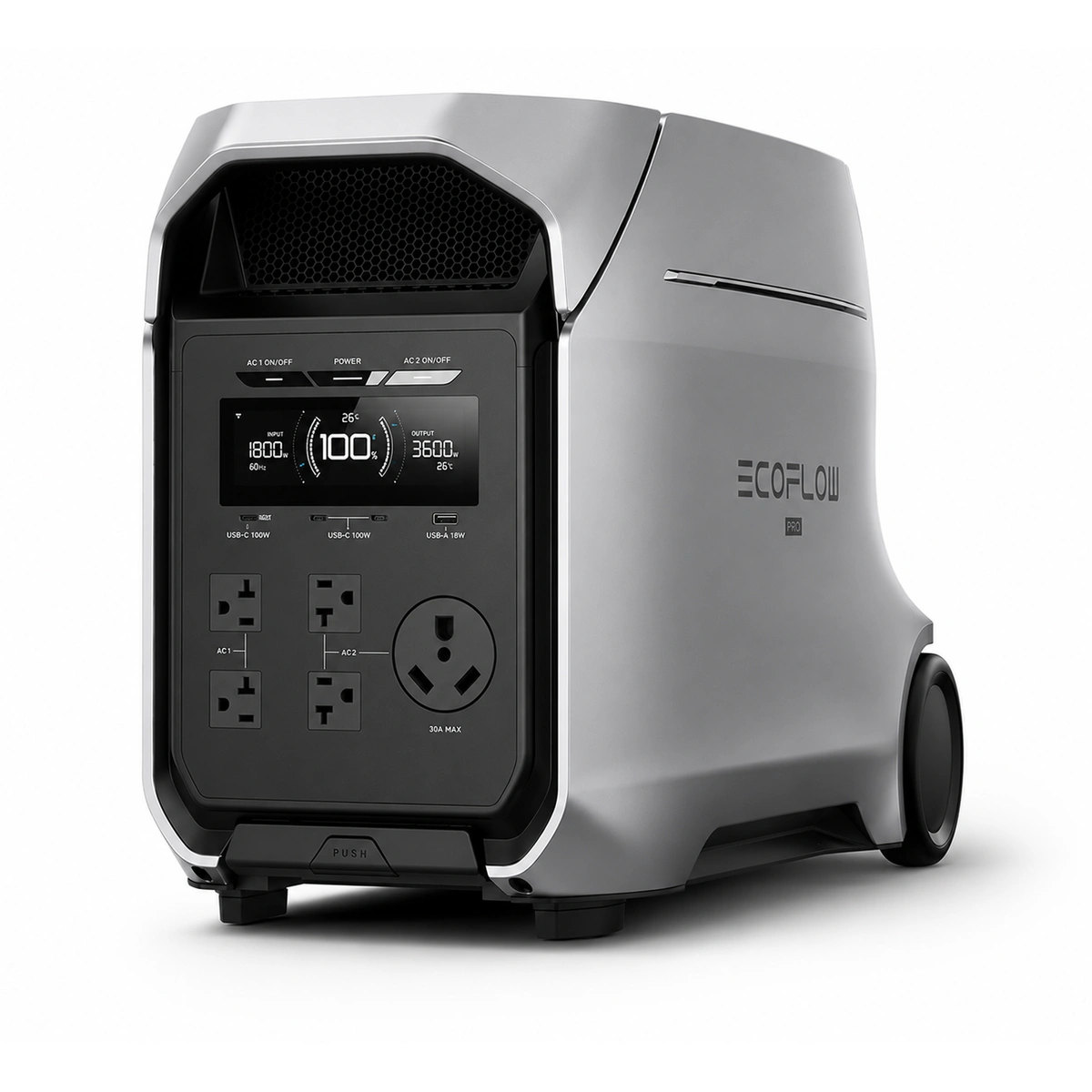
Product image for EcoFlow DELTA 3 Ultra Plus
🏆 Best Overall
9/10Editor Score

EcoFlow DELTA 3 Ultra Plus

EcoFlow DELTA 3 Ultra Plus lists 3,072 Wh battery capacity and 3,600 W continuous AC output—exceeding the Sprinter Van example on both storage and inverter planning figures. It scores 9/10 as an integrated portable power station for van builds that want storage and inversion in one unit.

Best for

  • Sprinter van and camper builds at ~2,000 Wh/day
  • Buyers wanting one integrated power station
  • Extended off-grid stretches with limited shore power

Key pros

  • 3,072 Wh listed capacity exceeds the 2,000 Wh/day Sprinter example
  • 3,600 W continuous output provides headroom above 1,500 W inverter estimate
  • All-in-one storage and inversion simplifies van deployment

Key cons

  • Requires separate solar or alternator recharge planning
  • Higher cost and weight than smaller portable stations
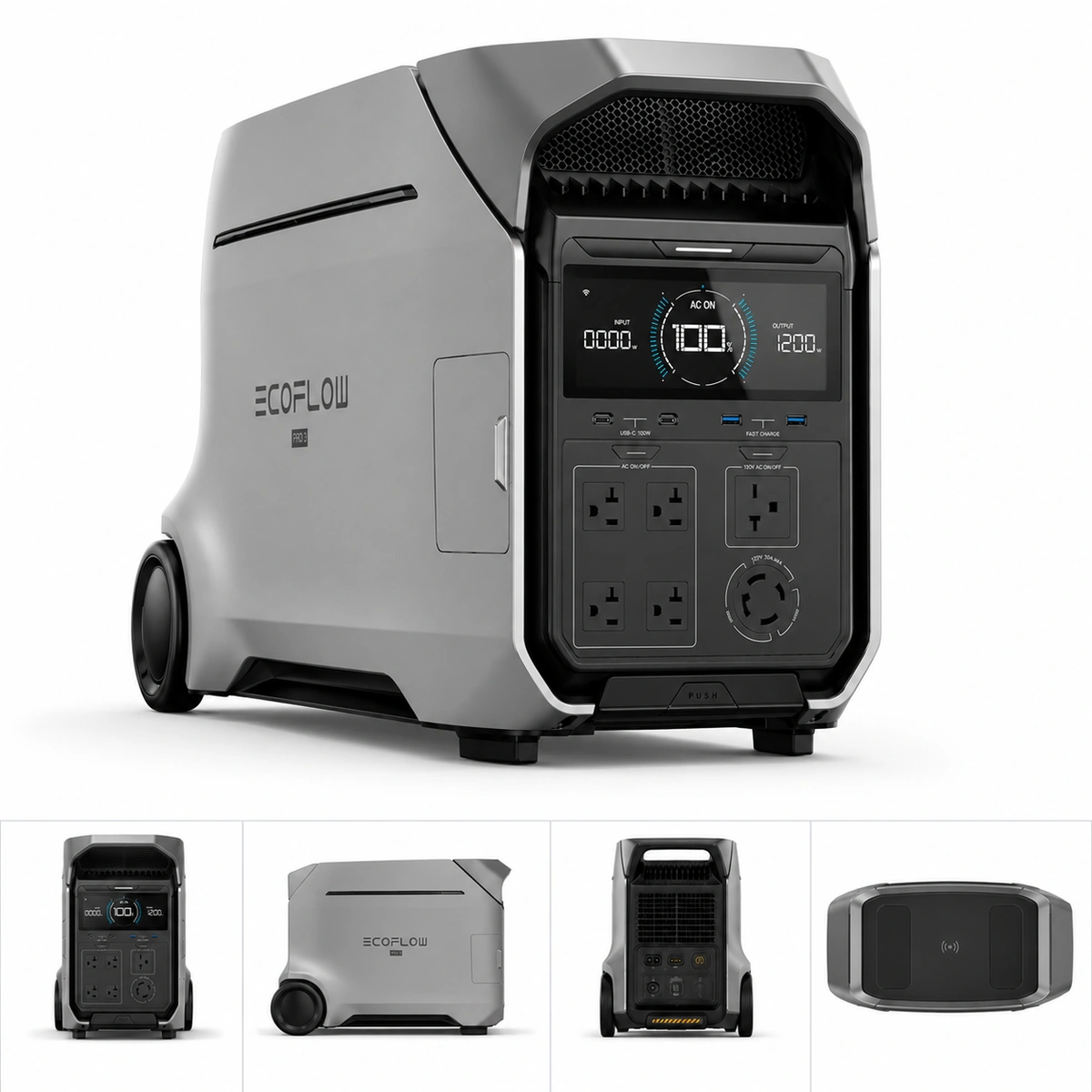
Product image for EcoFlow DELTA Pro 3
⭐ Premium Pick
8/10Editor Score

EcoFlow DELTA Pro 3

EcoFlow DELTA Pro 3 lists 4,096 Wh battery capacity and 4,000 W continuous AC output—a step up from the DELTA 3 Ultra Plus for buyers needing more reserve. It scores 8/10 as a premium integrated station when Sprinter-scale daily use is combined with heavier appliance peaks.

Best for

  • Premium Sprinter and RV builds with higher peak loads
  • Buyers wanting maximum portable capacity in one unit
  • Workshop or cabin backup within listed output limits

Key pros

  • 4,096 Wh listed capacity for extended off-grid reserve
  • 4,000 W continuous output supports heavier AC loads
  • Premium EcoFlow tier with integrated storage and inversion

Key cons

  • Higher price and weight than mid-tier portable stations
  • Expandability and solar input limits not fully captured in catalog
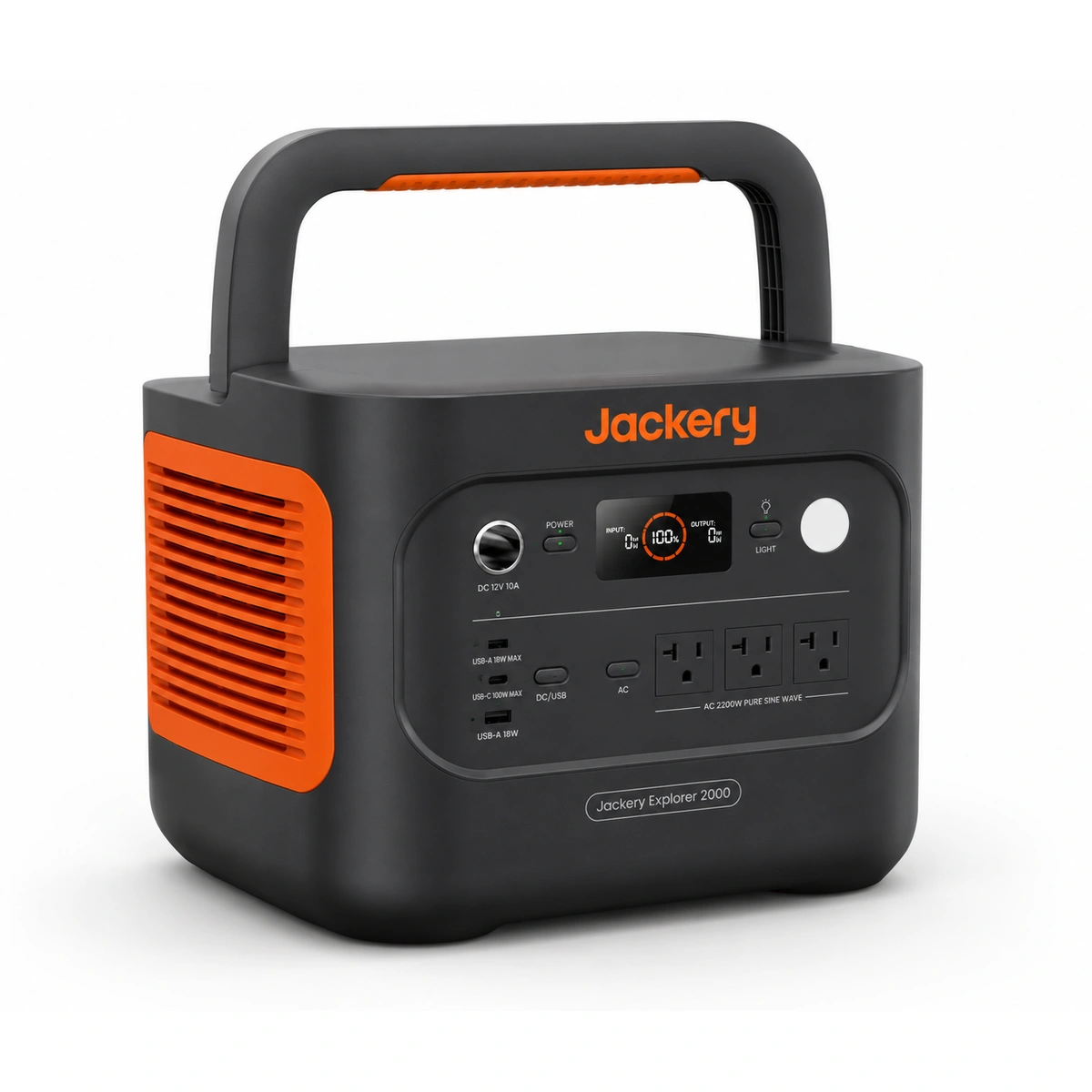
Product image for Jackery Explorer 2000 V2
💰 Best Value
8/10Editor Score

Jackery Explorer 2000 V2

Jackery Explorer 2000 V2 lists 2,042 Wh battery capacity and 2,200 W continuous AC output. Against the Sprinter Van example it partially matches storage but exceeds the inverter estimate. It scores 8/10 as a strong value tier when daily use stays closer to 2,000 Wh/day with daytime recharging.

Best for

  • Budget-conscious Sprinter van builds
  • Moderate daily energy with shore or solar recharge
  • Buyers prioritizing lower cost over maximum headroom

Key pros

  • 2,200 W continuous output exceeds the 1,500 W Sprinter example
  • 2,042 Wh listed capacity is substantial for moderate van loads
  • Established portable power brand with wide retail availability

Key cons

  • Listed 2,042 Wh is below the 2,223 Wh Sprinter storage estimate
  • May need reduced daily use or daytime recharging

Who This Guide Is For

Primary audience

Sprinter van dwellers

Owners comparing integrated portable power stations against a 2,000 Wh/day planning example.

Portable power shoppers

Buyers evaluating nameplate watt-hour capacity and continuous AC output from catalog listings.

How We Chose

Our editorial recommendations are based on published specifications, documented use cases, and hands-on research criteria — not paid placement.

  • Published specifications

    Recommendations reference manufacturer specs and catalog data — not marketing claims alone.

  • Documented use cases

    We match picks to stated audiences, load profiles, and installation contexts described in the article.

  • Editorial independence

    Affiliate partnerships do not determine which products are featured or how they are ranked.

Buying advice before you order

  • Compare listed watt-hour capacity against your daily energy budget, not marketing tier names alone.
  • Treat continuous AC output as the sustained load ceiling — verify peak startup loads separately.
  • Plan a recharge strategy: solar, alternator, or shore power must recover daily use.
  • Confirm physical fit, port layout, and expansion options on merchant listings.

Introduction

Van dwellers researching portable power stations need a way to connect nameplate battery capacity and AC output to a realistic daily energy target. This guide uses a Sprinter Van example that assumes 2,000 Wh/day of use—not measured consumption from any one build.

Two portable power stations are compared against that example. The comparison is based on manufacturer-listed specifications and does not assume either unit is automatically right for every van electrical layout.

Baseline Sizing Summary

The Sprinter Van example uses an estimated daily energy need of 2,000 Wh/day. These values are planning estimates, not a site-specific electrical design.

Daily energy assumption
2,000 Wh/day
Estimated solar need
500 W
Estimated battery need
2,223 Wh
Estimated inverter need
1,500 W

Peak sun hours: 5 | System efficiency: 80% | Usable battery fraction: 90% | Surge margin: 1.25×

View full Sprinter Van setup example →

Analysis

The Sprinter Van example assumes 2,000 Wh/day of daily energy use. From that, the estimated storage need is about 2,223 Wh and the estimated inverter need is about 1,500 W.

The EcoFlow DELTA 3 Ultra Plus lists 3,072 Wh battery capacity and 3,600 W continuous AC output. Against this example, both ratings exceed the estimated storage and inverter needs. That gives more headroom for heavier daily use, short startup loads, or days when recharging is limited.

The Jackery Explorer 2000 V2 lists 2,042 Wh battery capacity and 2,200 W continuous AC output. Its listed capacity is about 181 Wh below the 2,223 Wh storage estimate, while its continuous output exceeds the 1,500 W inverter estimate. A buyer choosing this unit may need to reduce daily consumption, recharge during the day, or accept less than a full day of battery-only operation.

Neither power station is treated as a complete solar array in this comparison. Solar charging still needs to be sized separately for the van's estimated daily energy use.

Verdict

For a Sprinter Van build modeled at 2,000 Wh/day, the EcoFlow DELTA 3 Ultra Plus currently shows higher listed capacity and continuous output, while the Jackery Explorer 2000 V2 offers a smaller but still substantial specification set with a partial match on storage. Use the example numbers as a starting point and verify wiring, charging sources, and appliance peaks for your own build.

Ready to buy?

Compare the latest Amazon price and customer reviews before you order.

Our top pick for this guide: EcoFlow DELTA 3 Ultra Plus

Check Price on Amazon →View full specifications on SunPowerLogic →

Affiliate disclosure: This is an Amazon affiliate link. SunPowerLogic may earn a commission from qualifying purchases at no additional cost to you.

Frequently Asked Questions

  • What size portable power station does a Sprinter van need?

    It depends on daily watt-hour use. The Sprinter Van example assumes 2,000 Wh/day with an estimated storage need of about 2,223 Wh and inverter need of about 1,500 W. Compare your own load list against those planning figures.

  • Is the EcoFlow DELTA 3 Ultra Plus enough for van life?

    Against the Sprinter Van example, its listed 3,072 Wh capacity and 3,600 W continuous output exceed both estimated storage and inverter needs. Your actual daily use and recharge plan may differ.

  • Can a portable power station replace a full van electrical system?

    It can simplify storage and inversion in one unit, but solar charging, DC distribution, and mounting still require separate planning. Integrated units trade customization for deployment speed.