Pure Sine Wave Inverters
Pure sine wave inverters convert stored DC battery energy into AC power for household-style loads. Continuous output wattage—not surge ratings—is the primary sizing figure for planning. This hub groups active inverter listings from the SunPowerLogic catalog.
Introduction
Inverters are sized from peak and continuous AC load lists. Microwave, coffee maker, and power tool startup surges can exceed steady-state draw; plan from continuous wattage first, then verify surge notes where published.
Most RV and van inverters in this catalog assume a 12 V nominal DC input from a lithium or lead-acid house bank. Higher-wattage units demand larger battery cables and sufficient DC current capacity.
Pure sine output is preferred for sensitive electronics and motors compared with modified sine alternatives. Product names in the catalog indicate pure sine wave where the manufacturer publishes that distinction.
Standalone inverters do not include battery storage. Pair inverter wattage with a correctly sized battery bank and charging equipment for a complete system.
Featured Products
Active pure sine wave inverters products from the SunPowerLogic catalog.
Shop by Brand
Brands are grouped automatically from each product's catalog entry. Brand hubs link to dedicated pages when a manufacturer is registered on SunPowerLogic.
Affiliate disclosure: Some product links below are affiliate links. SunPowerLogic may earn a commission from qualifying purchases at no additional cost to you.
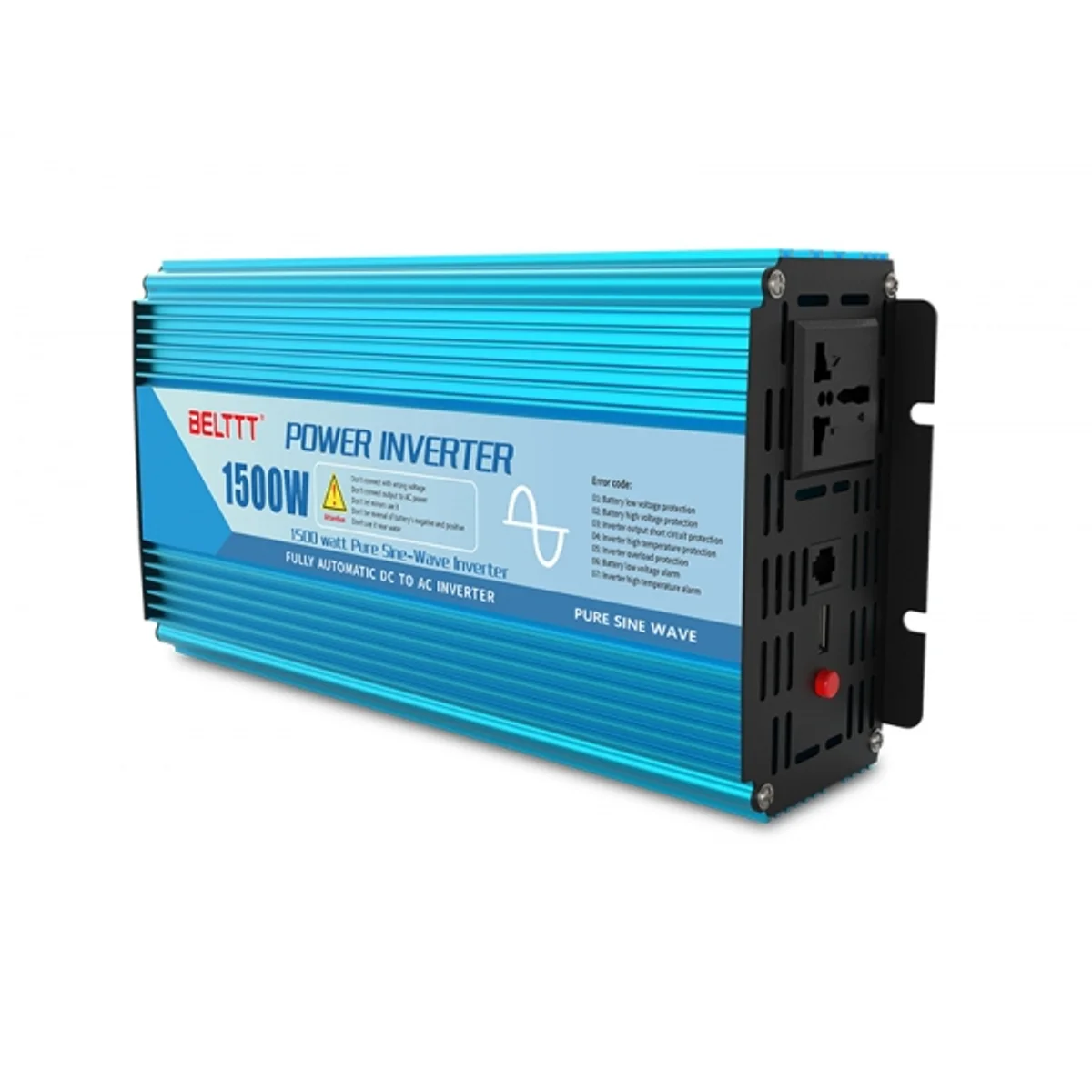
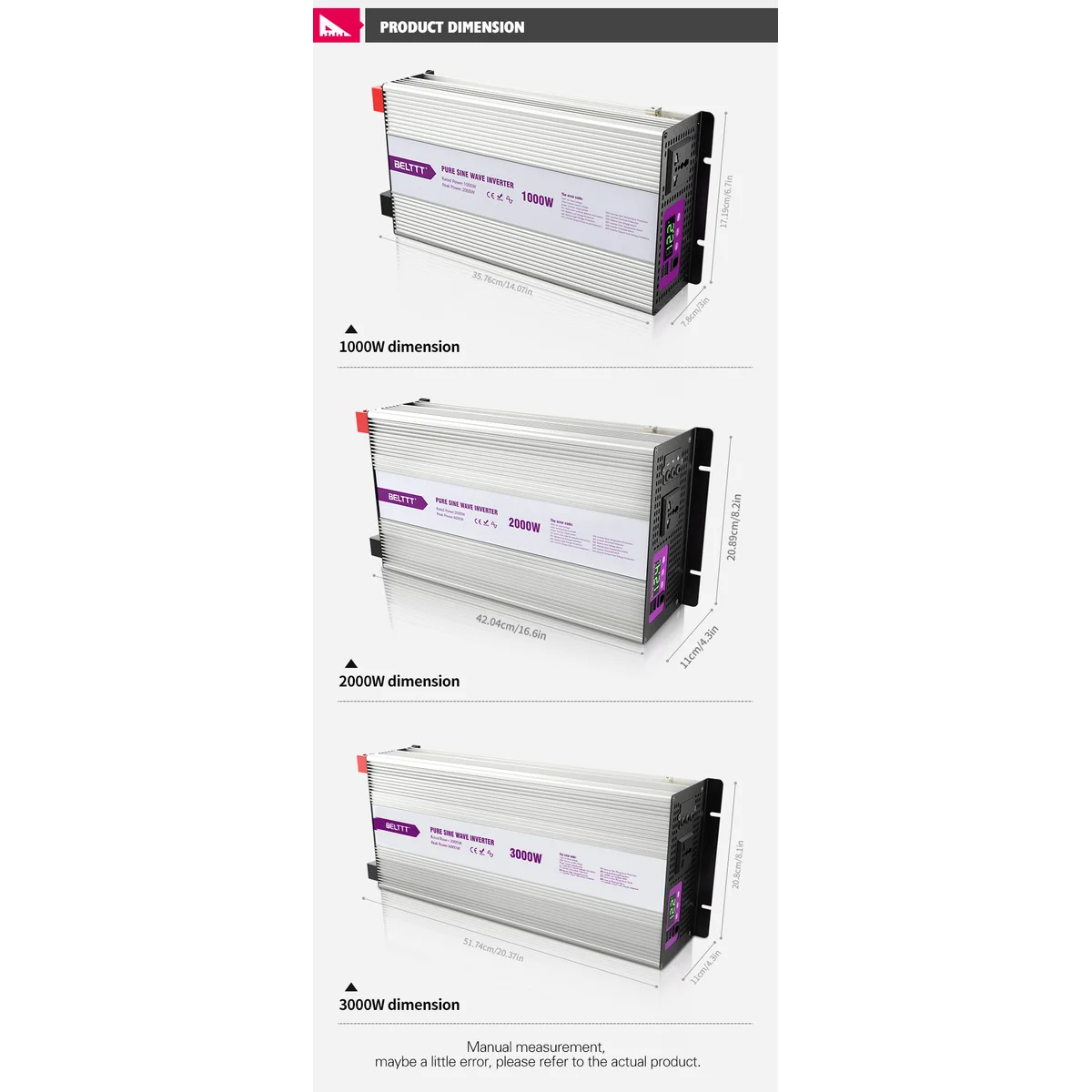
BELTTT
2 products available
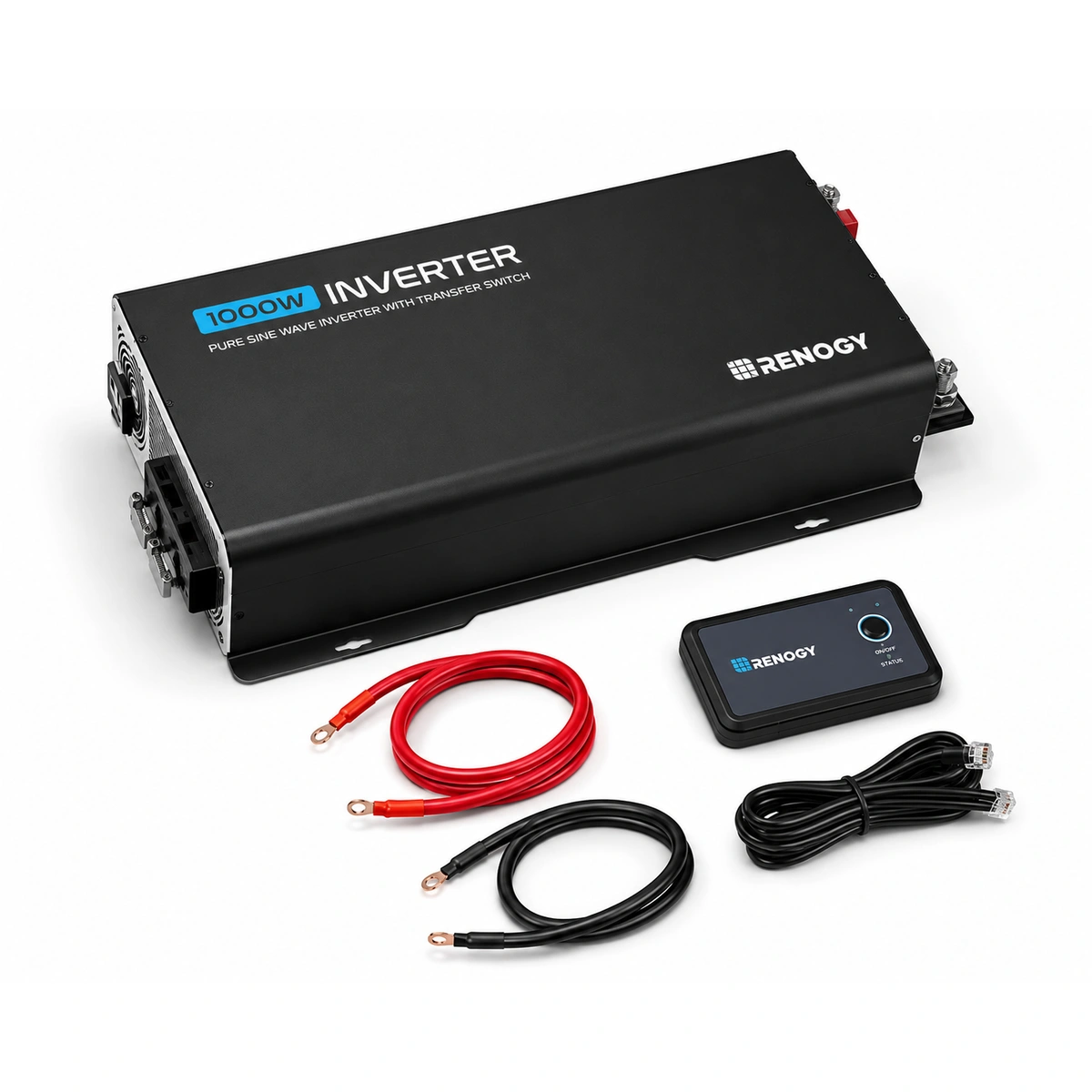
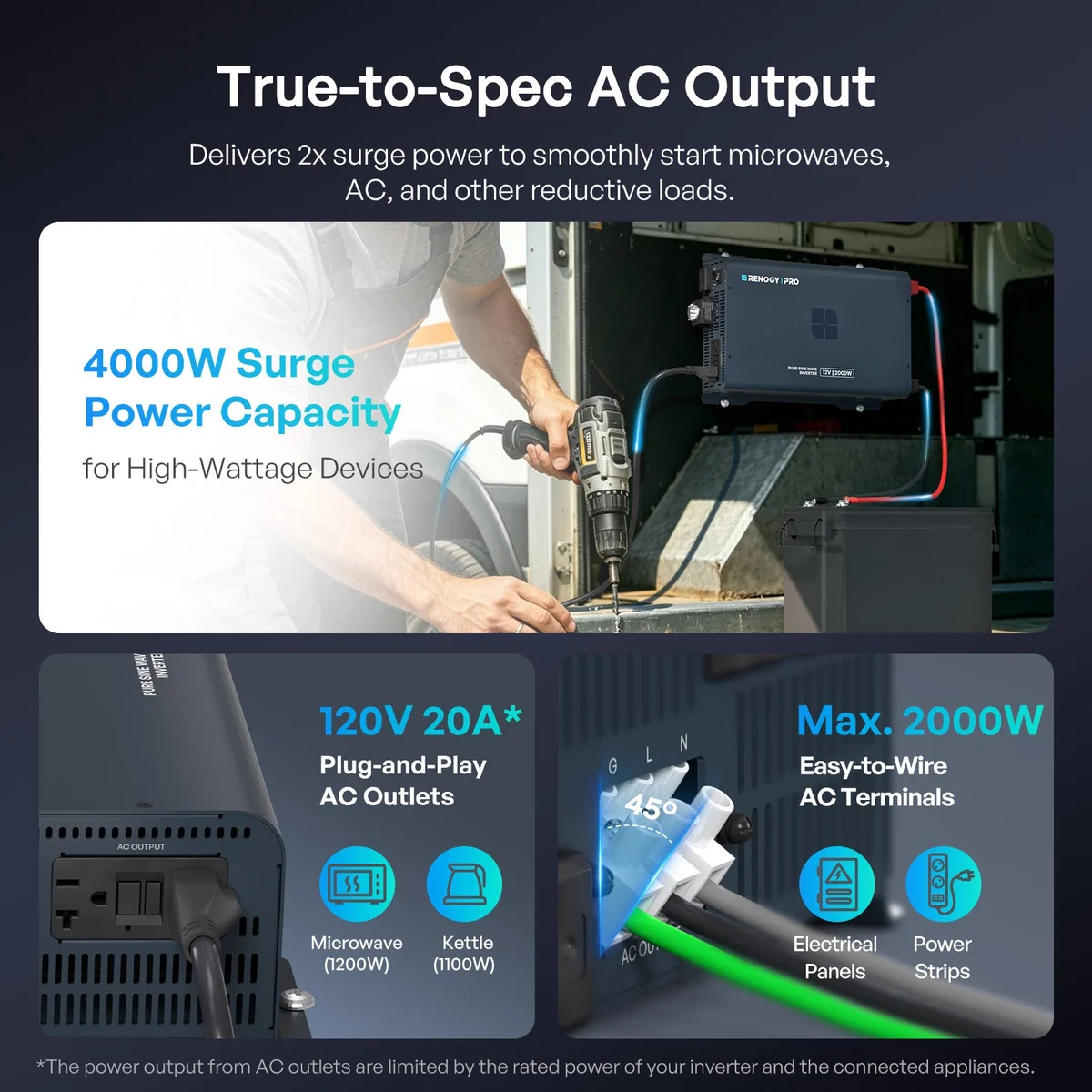
Renogy
3 products available
Related Brands
Manufacturer hubs for brands with active pure sine wave inverters products in the catalog.
Related Buying Guides
Editorial and planning guides for pure sine wave inverters — matched by category taxonomy and catalog product references.
1000W vs 2000W Inverter for an RV or Camper Van
Compare Renogy 1,000 W and 2,000 W pure sine inverter continuous output and surge notes for RV and camper van planning.
Read Guide →Portable Power Station vs Dedicated Inverter for Van Power
Understand the difference between an all-in-one portable power station and a standalone inverter using listed specifications and a Sprinter Van sizing example.
Read Guide →Used in These Setups
These SunPowerLogic setup examples include pure sine wave inverters products in their configured equipment lists.
Overland Truck
Estimated 1,200 Wh/day baseline
Includes: Renogy Inverter PUH 1000W Pure Sine Wave Power Inverter
View Setup →Sailboat
Estimated 1,500 Wh/day baseline
Includes: Renogy Inverter PUH 2000W Pure Sine Wave Power Inverter
View Setup →Sprinter Van
Estimated 2,000 Wh/day baseline
Includes: Renogy Inverter PUH 2000W Pure Sine Wave Power Inverter
View Setup →Buyer Checklist
Use this checklist when comparing pure sine wave inverters listings. It is educational guidance only—not a substitute for installation design or manufacturer documentation.
Compatibility
Inverters convert DC battery energy to AC loads. Confirm voltage, connector types, and upstream/downstream equipment limits before purchase.
Published specifications
Compare only values listed in the manufacturer or merchant documentation. SunPowerLogic catalog rows omit fields that are not published in the source listing.
Installation planning
Sizing, fusing, and wiring remain separate decisions from the product label. Verify local code and professional installation requirements for your build.
Warranty and support
Confirm warranty terms, registration requirements, and seller support channels on the merchant listing before buying.
Continuous output (W)
Size continuous wattage to your simultaneous AC load list. Surge or peak figures are not the same as sustained output capacity.
Input voltage
Confirm the inverter input matches your house bank nominal voltage—typically 12 V in the products tracked here.
Battery and cabling
High-wattage inverters require appropriately sized DC cables and fusing. A correctly rated inverter still fails in practice if the battery bank cannot deliver required DC current.
Frequently Asked Questions
How do I choose the right inverter for my build?
Start with your system voltage, daily energy budget, and the specification that matters most for inverter—capacity, output watts, charge current, or panel wattage. Match published catalog values to your planning worksheet before comparing brands.
Can I mix brands across my inverter selection?
Yes, when voltage, chemistry, and communication protocols are compatible. Many builds combine components from different manufacturers; verify charging profiles, connector types, and BMS limits when mixing brands.
Are affiliate links on SunPowerLogic product pages?
Many catalog products include affiliate outbound links to merchants such as Amazon. SunPowerLogic may earn a commission from qualifying purchases at no additional cost to you. Availability and pricing are always confirmed on the merchant site.
1000 W vs 2000 W vs 3000 W—which inverter do I need?
Add the wattage of AC loads you expect to run at the same time, then add modest headroom. SunPowerLogic inverter sizing guides and calculators use the same load-list method with documented assumptions.
Is pure sine wave required?
Pure sine wave output is recommended for modern electronics, variable-speed motors, and many RV appliances. Modified sine inverters may cost less but can cause compatibility issues with sensitive loads.
Product specifications on this page come from published listings in the SunPowerLogic catalog. They are planning references, not professional electrical designs. Verify compatibility with your loads, charging equipment, and installation before purchasing.