MPPT Solar Charge Controllers
MPPT controllers track the maximum power point of your solar array to improve charging efficiency versus basic PWM regulators. This hub groups active MPPT charge controllers from the SunPowerLogic catalog so you can compare published amperage, voltage, and PV input limits before selecting equipment for your build.
Introduction
MPPT (Maximum Power Point Tracking) charge controllers adjust input voltage and current to harvest more energy from solar panels across changing light conditions. They are commonly used in 12 V and 24 V RV, van, and off-grid house-bank systems.
Charge current rating—20 A, 40 A, 60 A, or higher—defines how quickly the controller can push energy into the battery bank under ideal conditions. Pair controller amperage with your array wattage and battery acceptance limits.
Maximum PV input voltage matters when wiring panels in series. A controller rated for 100 V input supports different string layouts than one limited to 50 V.
MPPT controllers in this category regulate solar panel output only. Alternator charging and DC-DC conversion are covered separately under DC-DC Chargers.
Featured Products
Active mppt charge controllers products from the SunPowerLogic catalog.
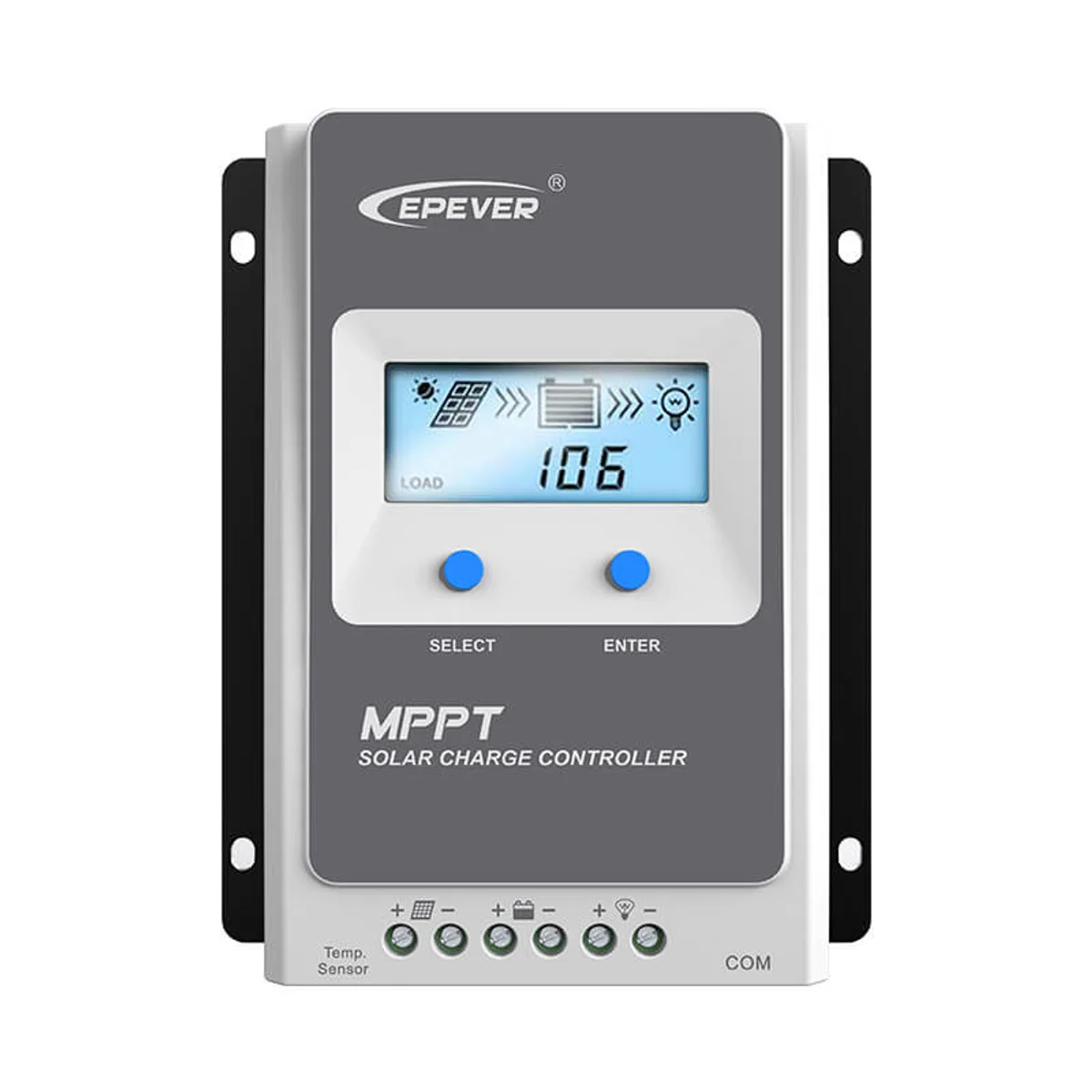
EPEVER Tracer1210AN 10A MPPT Charge Controller
View Product →EPEVER Tracer2210AN 20A MPPT Charge Controller (MT50 Kit)
View Product →EPEVER Tracer2210AN G3 20A MPPT Charge Controller
View Product →EPEVER Tracer3210AN G3 30A MPPT Charge Controller (MT52 Kit)
View Product →EPEVER Tracer4210AN G3 40A MPPT Charge Controller (MT52 Kit)
View Product →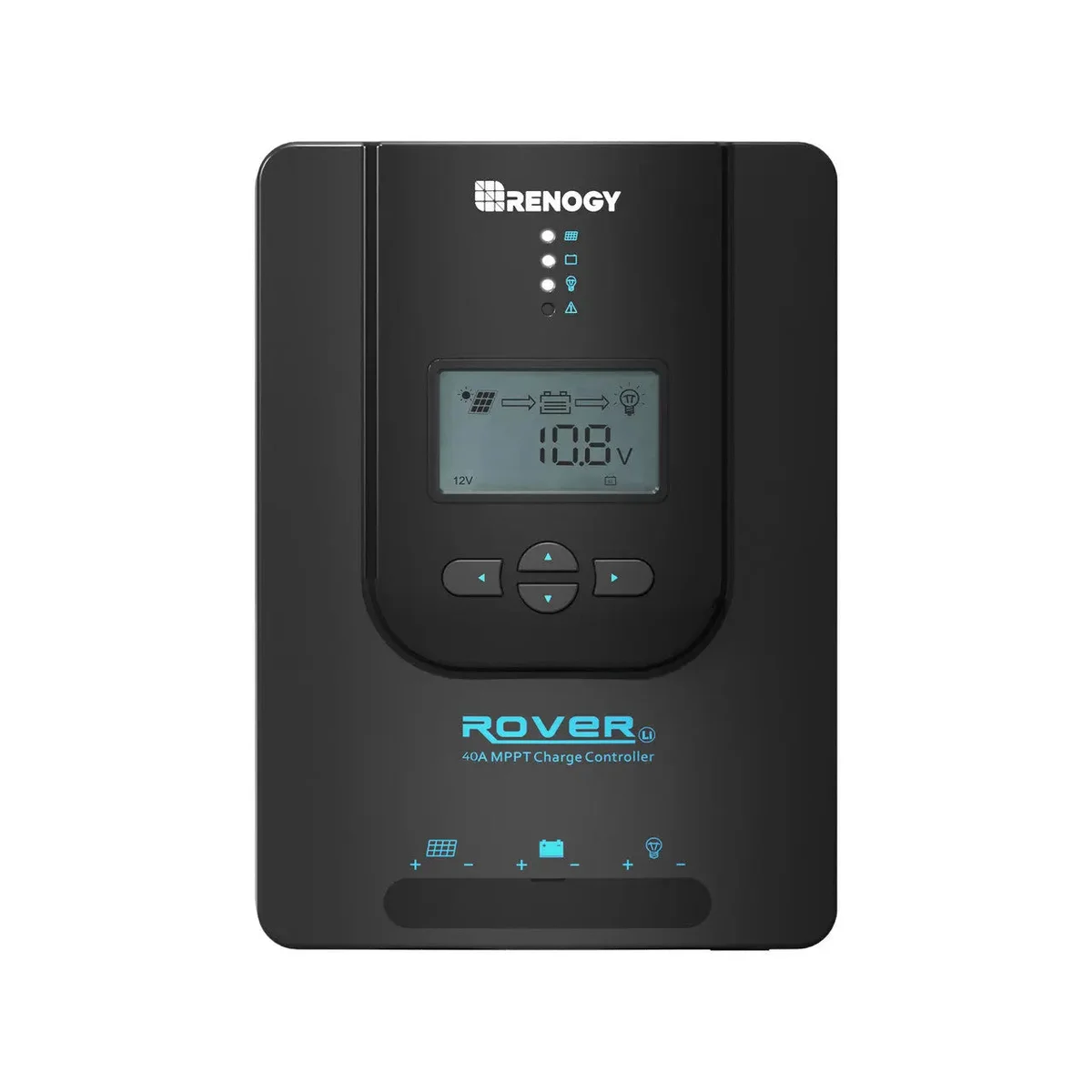
Renogy Rover 40A MPPT Solar Charge Controller with Bluetooth
View Product →Shop by Brand
Brands are grouped automatically from each product's catalog entry. Brand hubs link to dedicated pages when a manufacturer is registered on SunPowerLogic.
Affiliate disclosure: Some product links below are affiliate links. SunPowerLogic may earn a commission from qualifying purchases at no additional cost to you.
EPEVER
5 products available
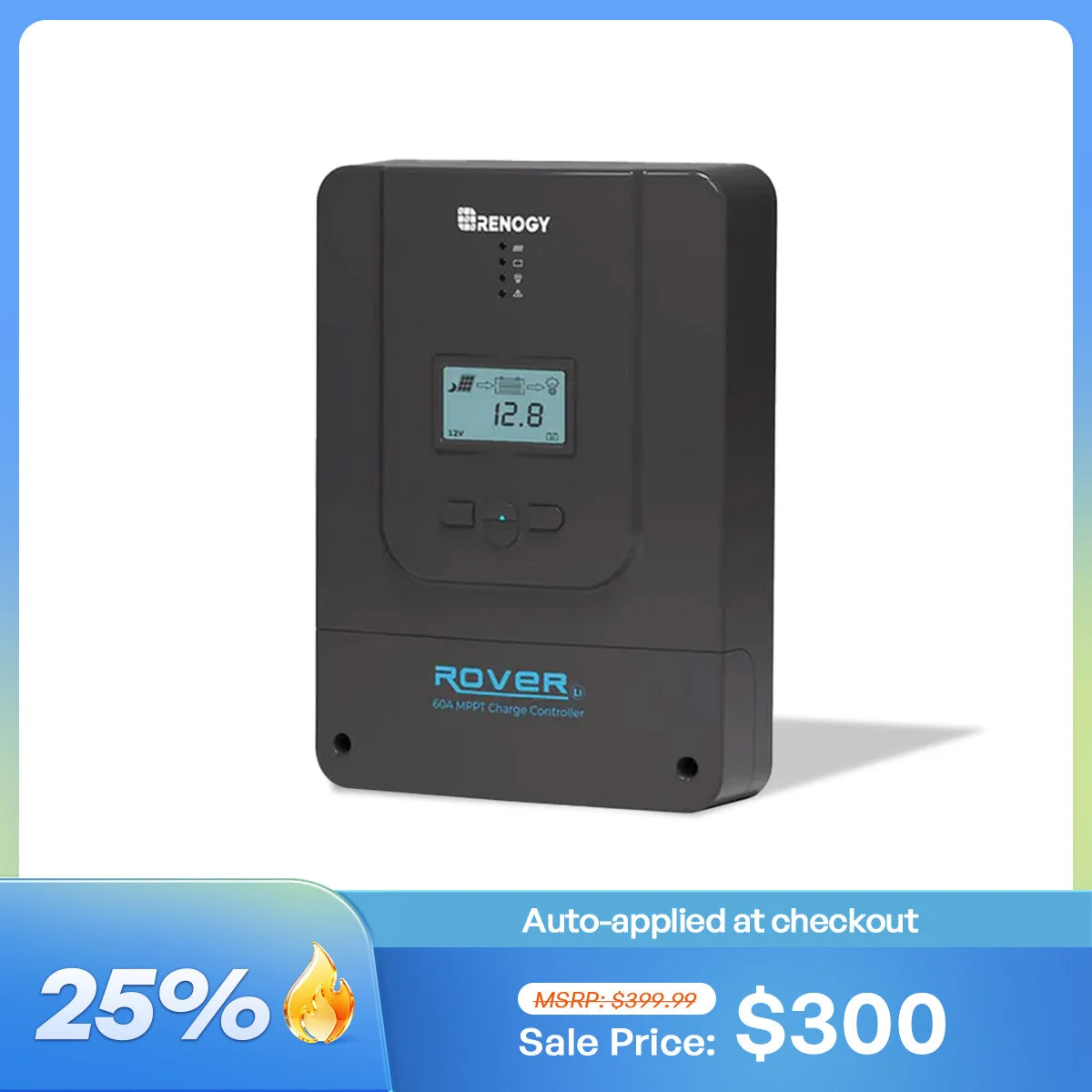
Renogy
3 products available
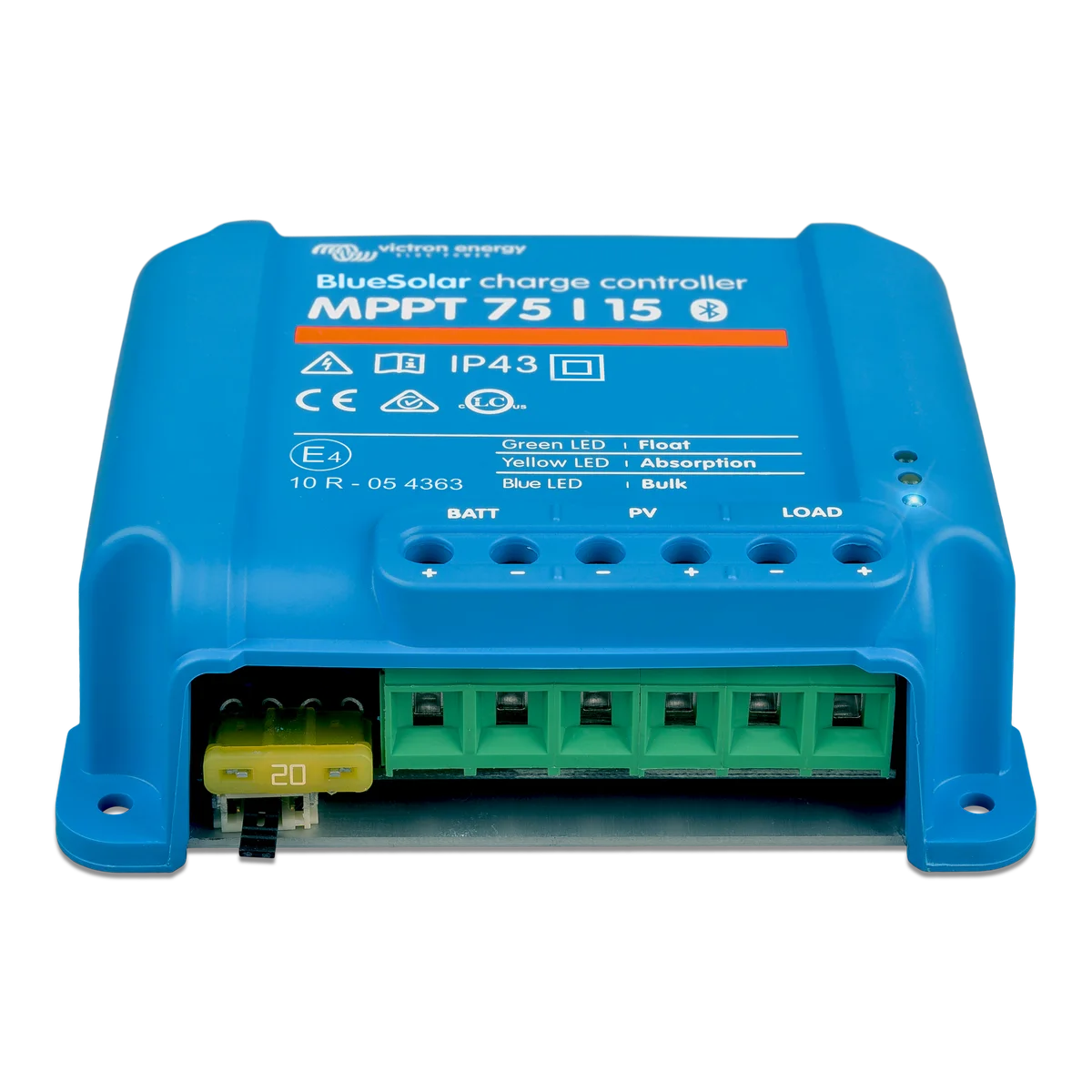
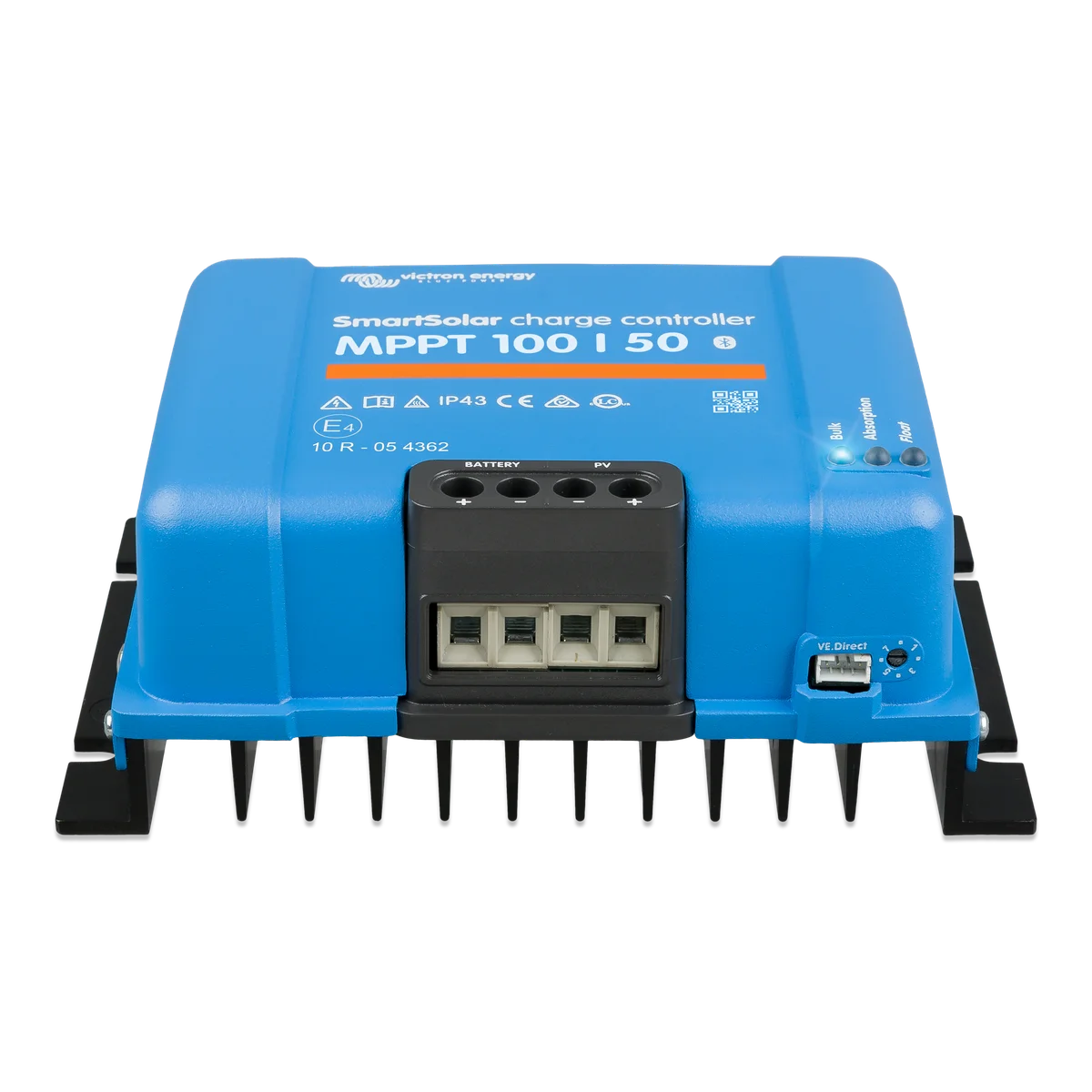
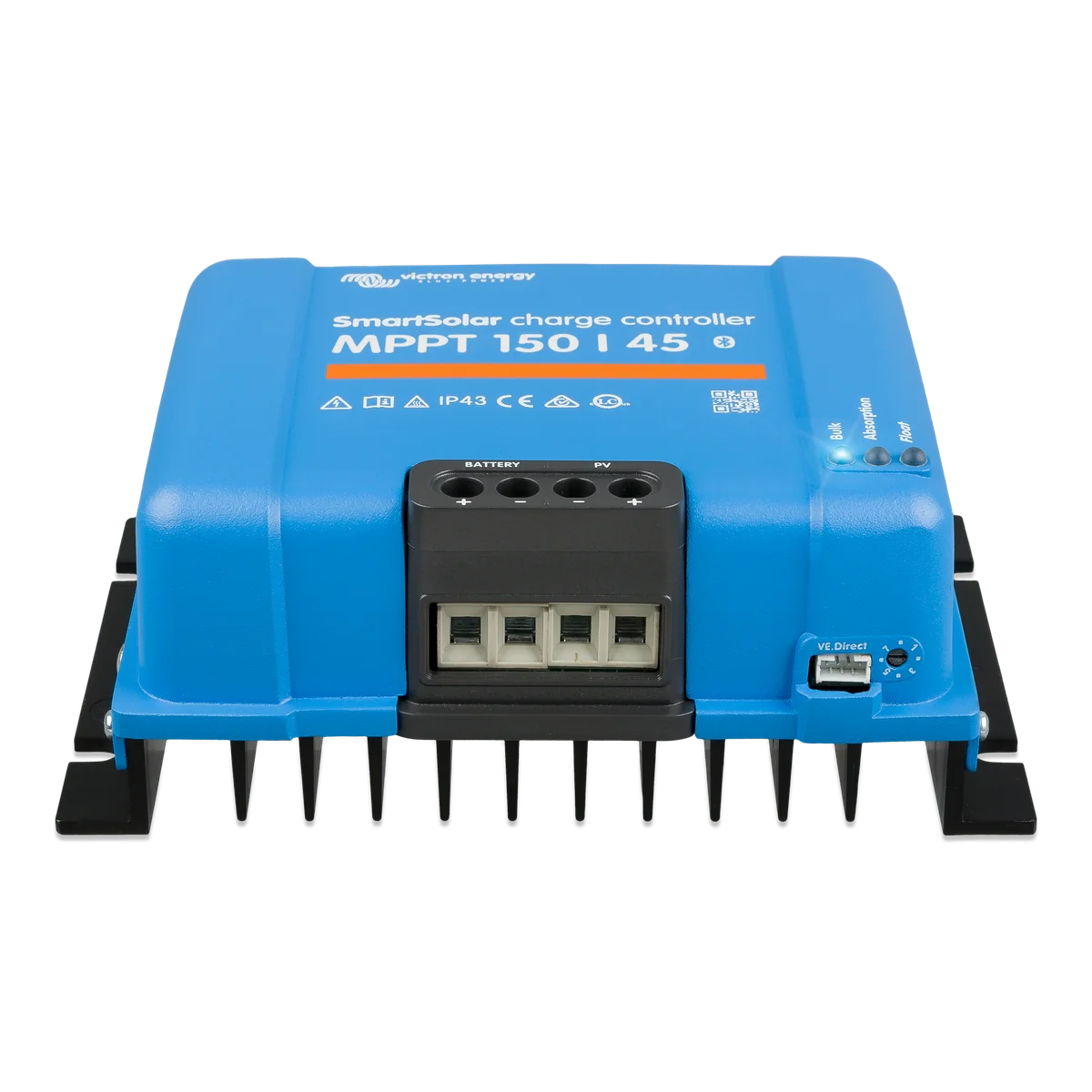
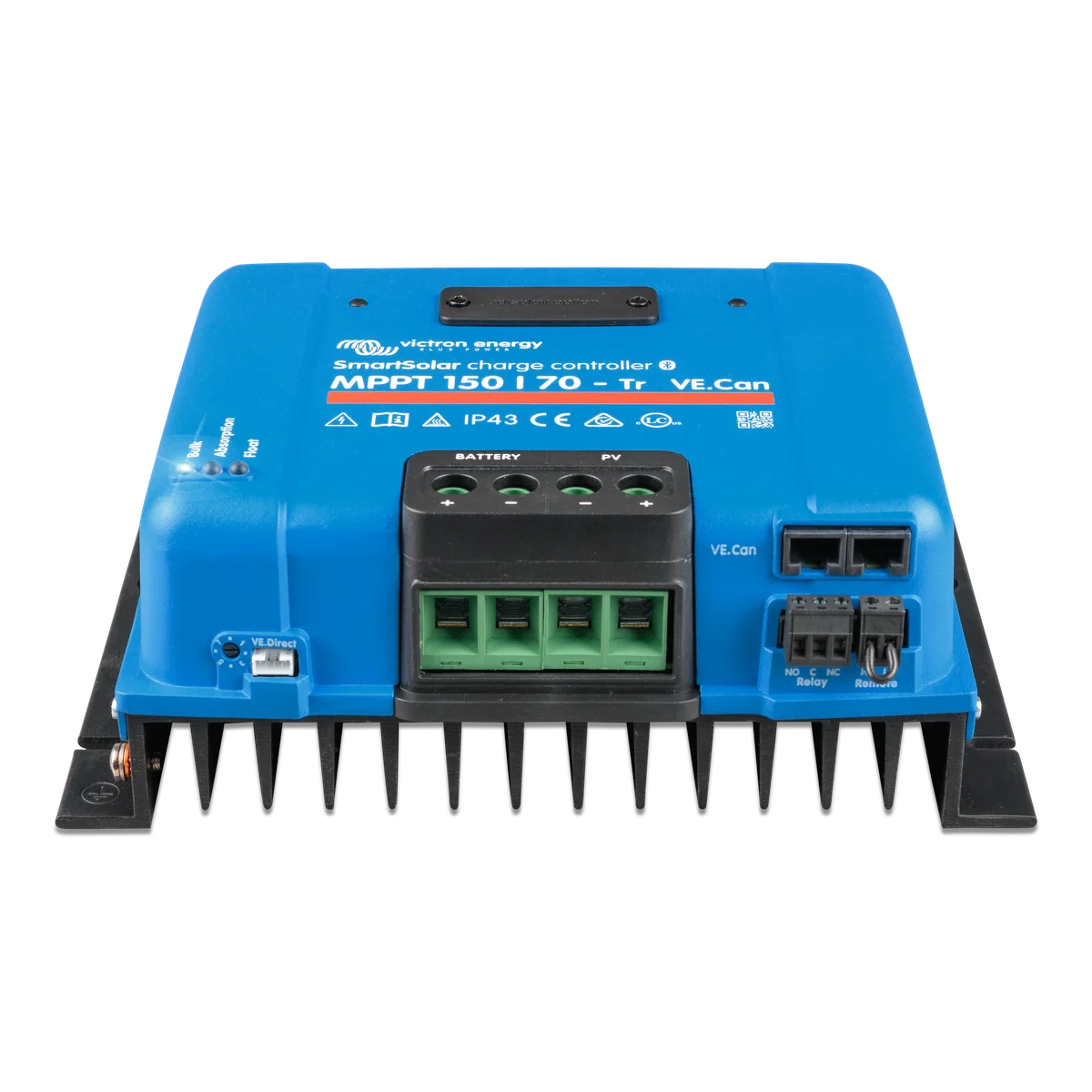
Victron
4 products available
Related Brands
Manufacturer hubs for brands with active mppt charge controllers products in the catalog.
Related Buying Guides
No related guides yet
Used in These Setups
No setups yet
Buyer Checklist
Use this checklist when comparing mppt charge controllers listings. It is educational guidance only—not a substitute for installation design or manufacturer documentation.
Compatibility
MPPT charge controllers regulate solar input to batteries. Confirm voltage, connector types, and upstream/downstream equipment limits before purchase.
Published specifications
Compare only values listed in the manufacturer or merchant documentation. SunPowerLogic catalog rows omit fields that are not published in the source listing.
Installation planning
Sizing, fusing, and wiring remain separate decisions from the product label. Verify local code and professional installation requirements for your build.
Warranty and support
Confirm warranty terms, registration requirements, and seller support channels on the merchant listing before buying.
Charge current (A)
Controller amperage should match or exceed your array sizing target while respecting battery charge acceptance. Oversizing the controller alone does not increase solar yield if the array is smaller.
Maximum PV input voltage
Panel open-circuit voltage in series strings must stay below the controller maximum PV input rating across temperature swings.
Battery chemistry profiles
Verify the controller supports your battery chemistry—LiFePO4, AGM, gel, or flooded—and that charging voltages can be configured or auto-detected correctly.
Frequently Asked Questions
How do I choose the right mppt charge controller for my build?
Start with your system voltage, daily energy budget, and the specification that matters most for mppt charge controller—capacity, output watts, charge current, or panel wattage. Match published catalog values to your planning worksheet before comparing brands.
Can I mix brands across my mppt charge controller selection?
Yes, when voltage, chemistry, and communication protocols are compatible. Many builds combine components from different manufacturers; verify charging profiles, connector types, and BMS limits when mixing brands.
Are affiliate links on SunPowerLogic product pages?
Many catalog products include affiliate outbound links to merchants such as Amazon. SunPowerLogic may earn a commission from qualifying purchases at no additional cost to you. Availability and pricing are always confirmed on the merchant site.
MPPT vs PWM—when is MPPT worth it?
MPPT typically helps when panel voltage is higher than battery voltage or when daily yield matters on limited roof space. PWM can suffice for small auxiliary loads with modest arrays and tight budgets.
How do I size MPPT charge controller amperage?
Use array wattage, battery nominal voltage, and a safety margin. SunPowerLogic charge controller and solar array calculators apply the same planning method using documented assumptions.
Product specifications on this page come from published listings in the SunPowerLogic catalog. They are planning references, not professional electrical designs. Verify compatibility with your loads, charging equipment, and installation before purchasing.